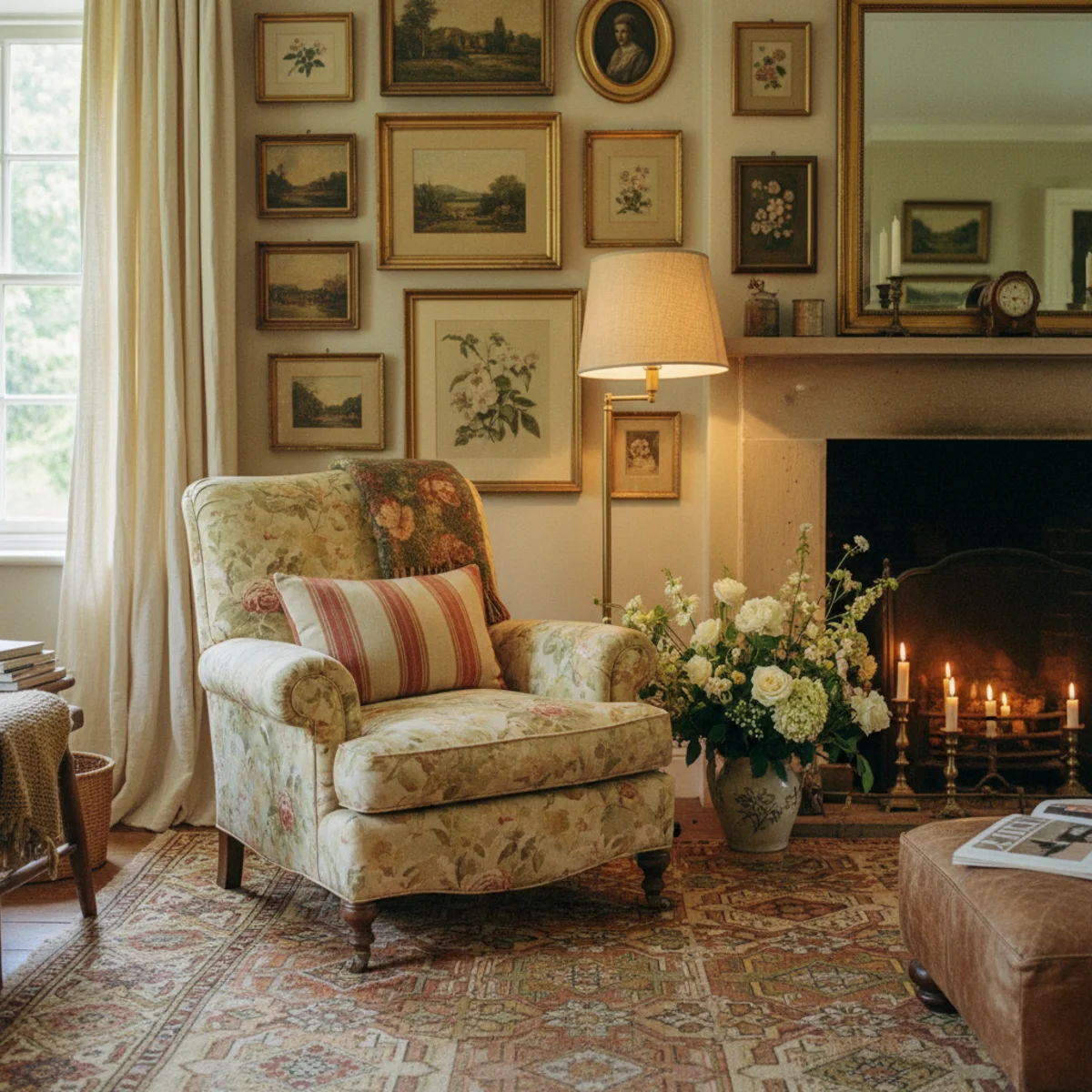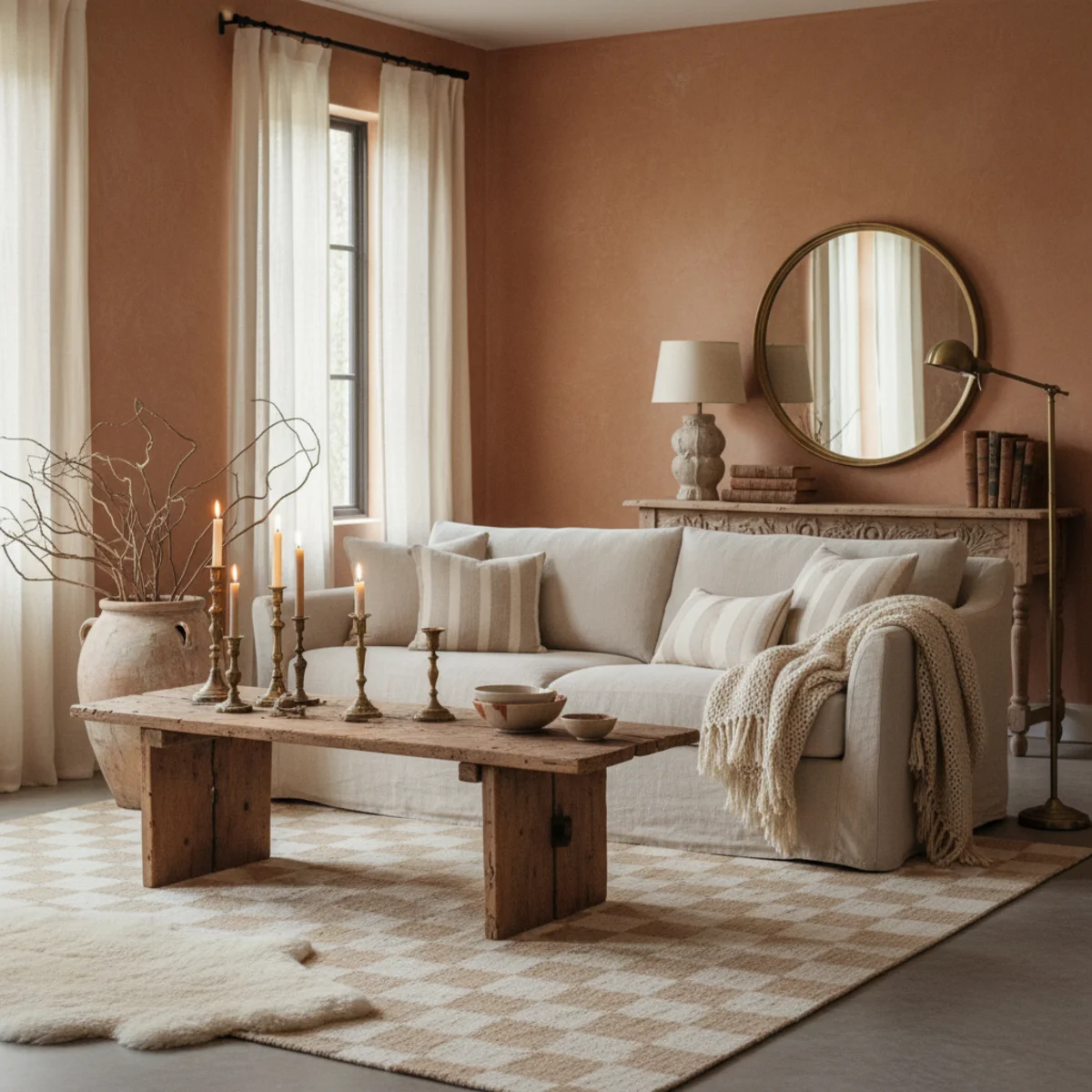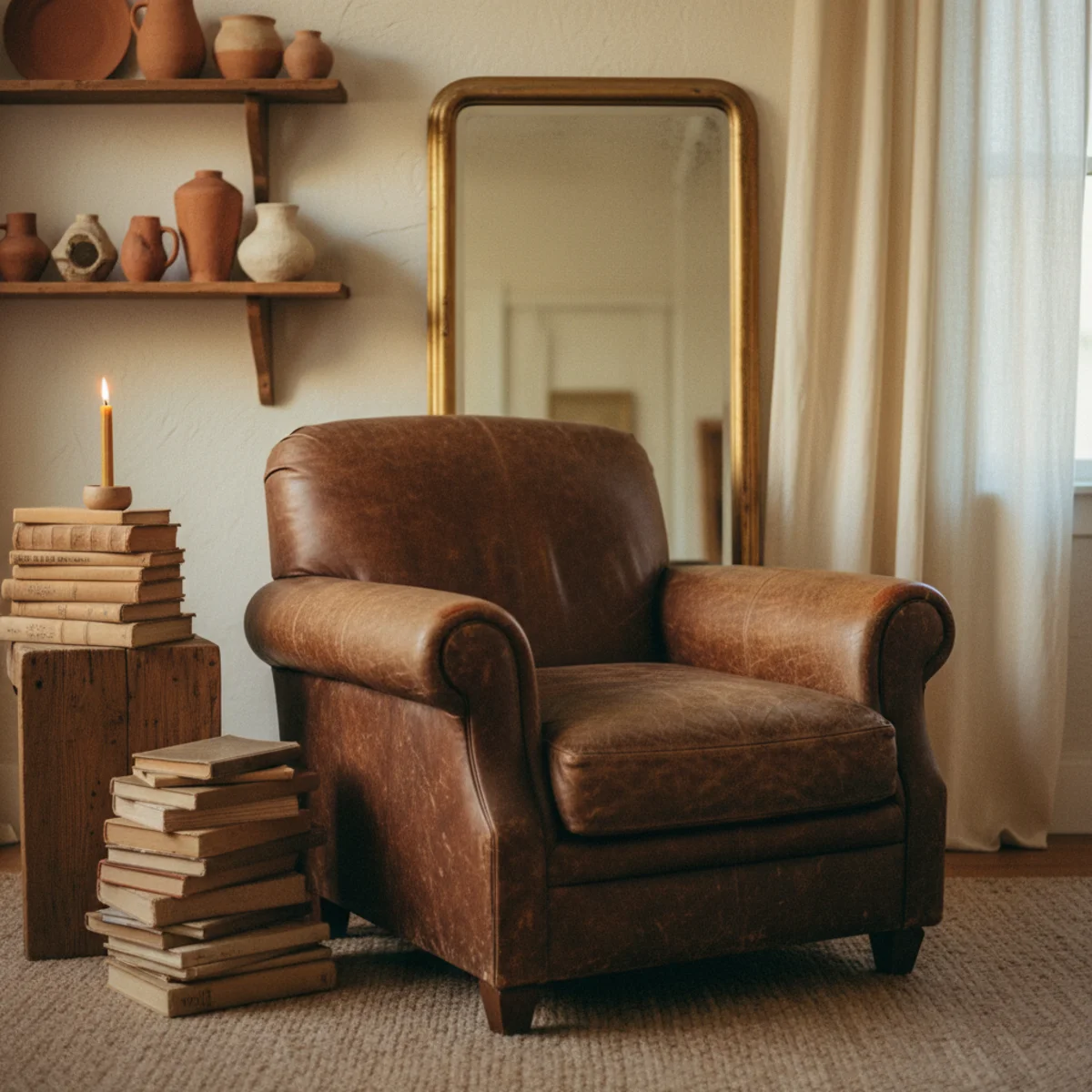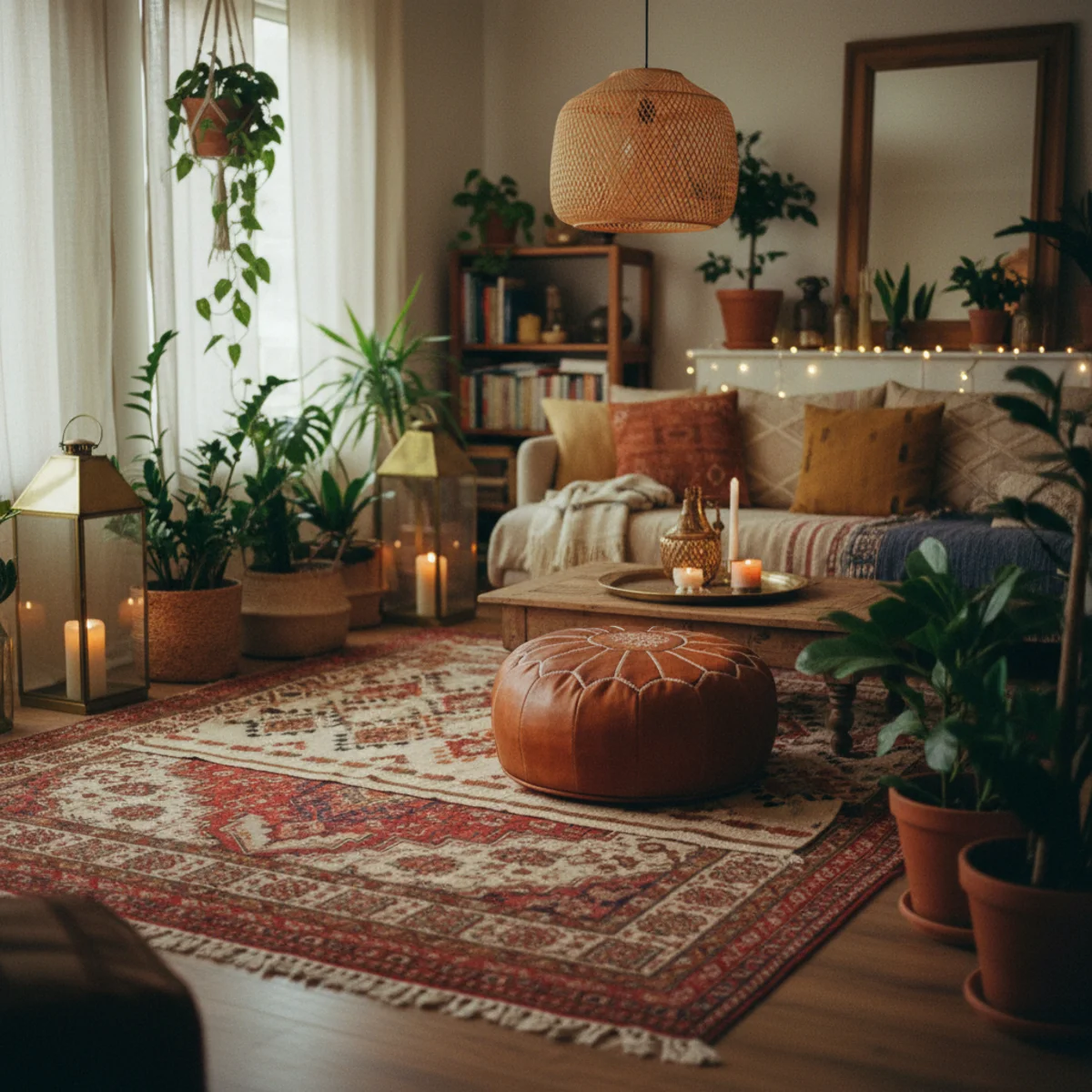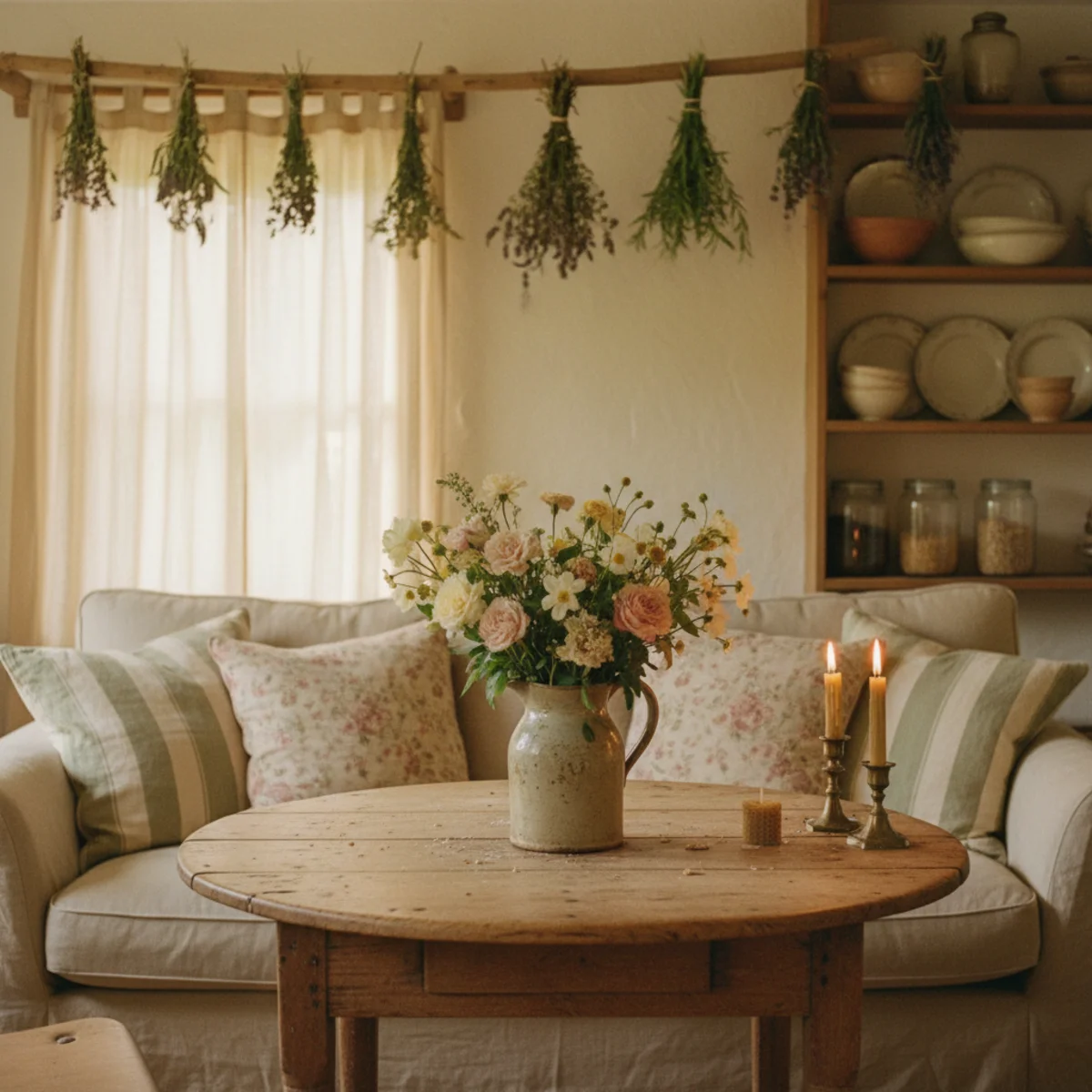
These twelve cottagecore decor principles are tested across real warm homes that genuinely embrace the aesthetic rather than the commercial cottagecore that Instagram filters and stylized photography manufactured. Each principle below names specific materials (vintage textiles, worn honest wood, gingham, ticking stripe), specific botanical practices (fresh florals, dried herbs, indoor plants), specific composition rules (one warmly cluttered surface, soft faded colors, layered soft lighting), and the practical sourcing (estate sales, secondhand stores, garden, foraging) that distinguishes real cottagecore from commercial cottagecore.
Most cottagecore failures come from one of two opposite errors: over-styling (every surface decorated with vintage florals, gingham everywhere, prairie dresses required) which reads as theme park, OR under-committing (one floral cushion + one vintage frame = 'cottagecore') which reads as accidental rather than aesthetic. The genuine cottagecore middle is harder: deeply integrated across the whole home through specific principles, but disciplined enough to read as warm-collected real home rather than as themed display. The twelve principles below provide that discipline.
By the end of this guide, you'll know exactly which moves produce real cottagecore — the fresh and dried florals, the layered vintage textiles, the worn honest wood, the gingham and ticking stripe, the displayed practical objects, the dried herbs and flowers, the soft faded color palette, the vintage floral prints, the one-warmly-cluttered-surface rule, the bringing-outside-in, the open shelving with earthenware, and the layered soft lighting that ties everything together.
WHAT'S INSIDE
- Why fresh or dried florals are the foundational cottagecore element across every season
- The vintage textile layering principle — quilts, embroidered linens, and hand-stitched pieces accumulated over years
- Worn honest wood that shows actual age and use rather than distressed-by-design
- The one-warmly-cluttered-surface rule that distinguishes warm-collected from over-styled
Cottagecore at its best is about authenticity, not nostalgia for a past that never was. The worn and the real beat the brand-new every time.
— House Beautiful [citation needed — verify before publish]
What is cottagecore decor?
Cottagecore is a decorating aesthetic built around a romanticized, rural, slow-living ideal — florals, vintage and handmade pieces, natural materials, and a soft, lived-in warmth. It draws on the look of an old country cottage: worn wood, faded textiles, dried and fresh flowers, gingham and ticking stripe, and the patina of things used for years.
The defining quality is authenticity over polish. Cottagecore tips into costume when it's bought new and all at once; it works when it's gathered, mismatched, and a little worn. A vintage quilt beats a new floral throw, foraged wildflowers beat a perfect bouquet, and a scarred farmhouse table beats a distressed reproduction. The restraint matters too — a few honest cottage elements read charming; every surface drowning in florals reads twee.
More in Styling you may love
See allWhy cottagecore is everywhere in 2026
Cottagecore exploded as a reaction against fast, digital, urban life — a yearning for slowness, nature, and the handmade — and it has matured from an internet aesthetic into a durable decorating style. Pinterest's cottagecore and cottage decor searches stay high year after year, and the look has deepened toward the genuine and vintage over the costumey.
The honest appeal overlaps with everything else trending: secondhand-first, slow living, natural materials, and the warm lived-in home. Cottagecore is the most romantic expression of that shift — and as people grew tired of cold minimalism, the soft, floral, gathered cottage look offered the opposite comfort. The 2026 version is more restrained and more authentic than the early, maximalist one.
12 ways to get the cottagecore look
01Bring In Fresh or Dried Florals
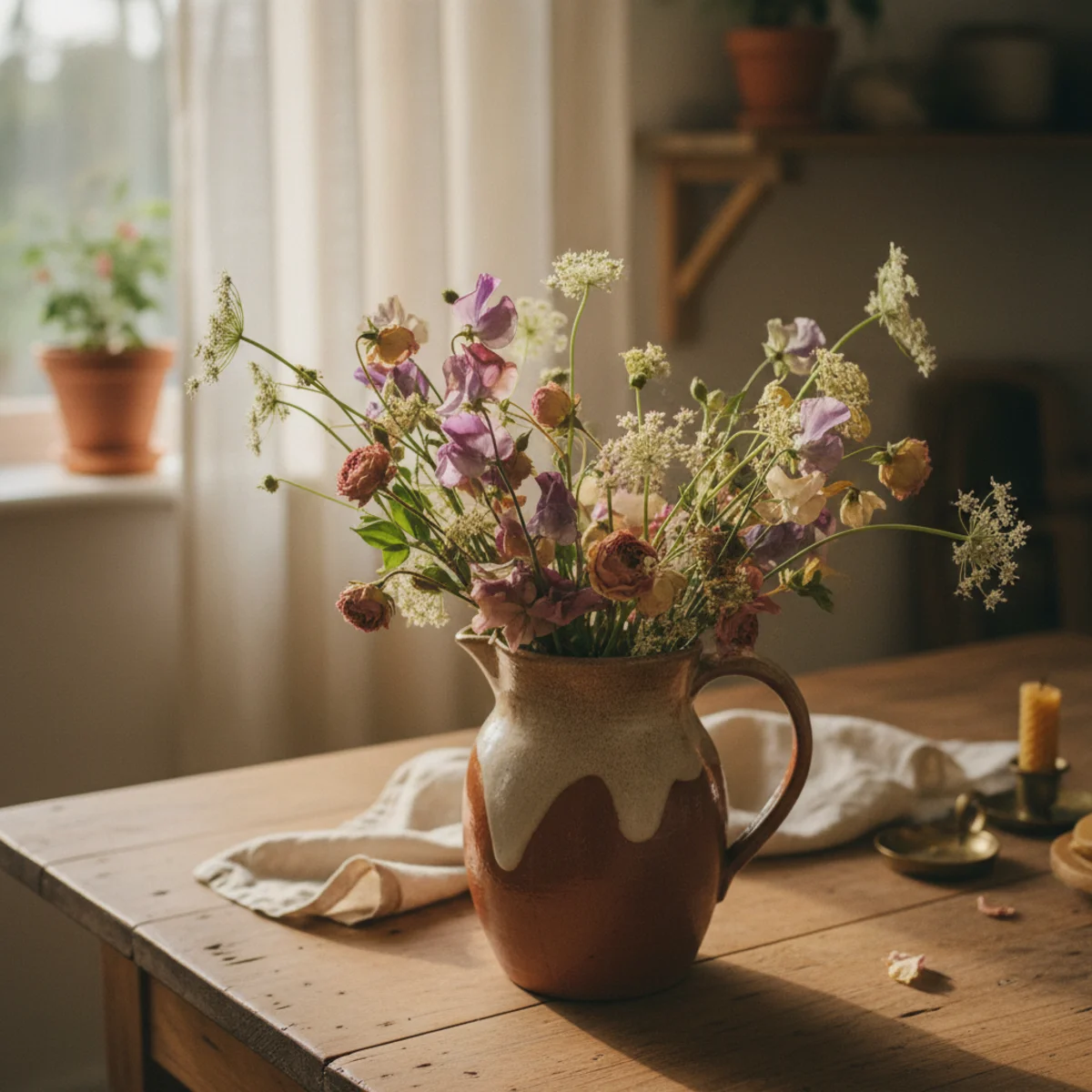
The foundational cottagecore element is floral presence — fresh-cut flowers from garden or grocery florist, dried botanicals from previous seasons, foraged sprigs and branches. The flowers signal connection to garden and seasons rather than to florist commercial supply. Cost: $5 to $20 per week for fresh florals OR $0 for garden cuttings; impact: foundational for the entire aesthetic.
Floral specifications for cottagecore: FRESH-CUT GARDEN FLOWERS — sweet peas, cosmos, dahlias, roses, hydrangeas, peonies, snapdragons, foxgloves arranged in small bunches in glass jars, ceramic pitchers, or vintage milk bottles ($0 if grown, $8-15 per bunch from farmers markets, $5-12 from grocery florist). DRIED FLORAL ARRANGEMENTS — dried hydrangeas, lavender bunches, statice, larkspur, yarrow, dried wheat, dried eucalyptus in vintage pitchers or wall-hung bouquets ($10-30 per bunch from Etsy dried flower shops, OR $0 from drying yard cuttings). FORAGED BRANCHES AND WILDFLOWERS — Queen Anne's lace, goldenrod, dried grasses, branching herbs from yard walks ($0). DISTRIBUTION across the home — not just one floral arrangement but multiple smaller ones throughout: small bunch on bedside table (4-6 stems), medium arrangement on kitchen counter (6-10 stems), larger statement piece on dining table (8-15 stems), small foraged sprigs in bud vases on shelves (1-3 stems each). The multi-room floral distribution is what signals genuine cottagecore versus single-photograph styling.
AFFILIATE SLOTFLORALSFresh-cut garden flowers, dried botanicals, foraged branches distributed across rooms in glass jars, pitchers, vintage milk bottlesAdd affiliate URL when configuredWhy it works
Because cottagecore is built around the romance of garden-connected life — the cottage with its garden out the door, the flowers brought inside, the seasonal rhythm of bloom and fade. Florals are the most-direct expression of this connection. A cottagecore room without florals reads as 'aesthetic without the underlying connection'; a cottagecore room with fresh flowers reads as authentically tied to the garden romance. The florals also signal time investment (someone cut these flowers, arranged them, watered them) that purely-decorative objects don't. The single most-important cottagecore element is the consistent floral presence.
Pro tip — Plant a small cutting garden specifically for cottagecore florals — even a 4x6 foot bed grows enough sweet peas, cosmos, and zinnias to keep multiple rooms in fresh-cut flowers from June through October. Seeds cost $20-40 for a full season's cutting supply. The garden-to-home loop is the deepest version of cottagecore practice.
Fresh cosmos and sweet peas in glass jar beside dried hydrangeas in vintage pitcher — multi-room floral distribution. See also: fall-decor-ideas
02Layer Vintage Textiles
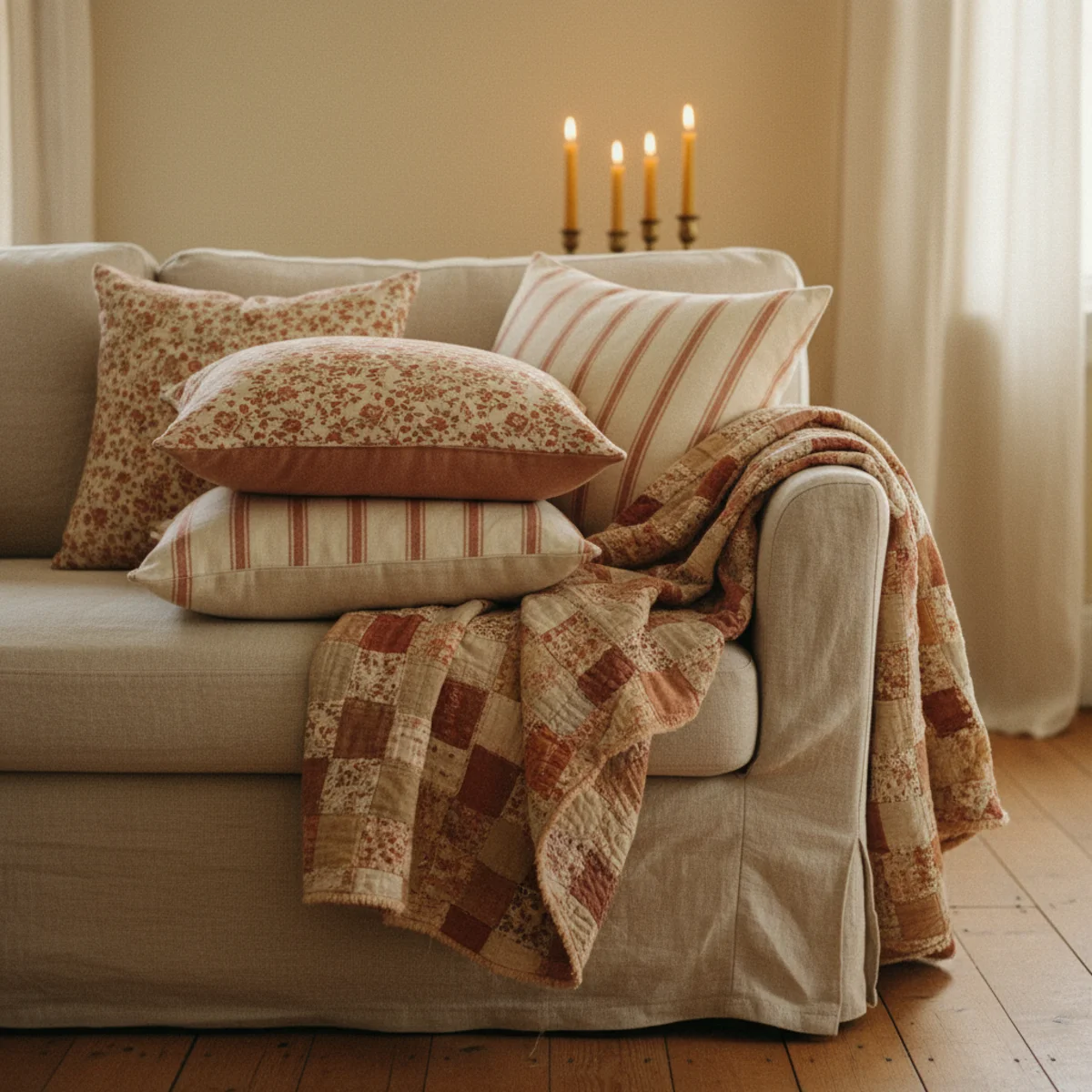
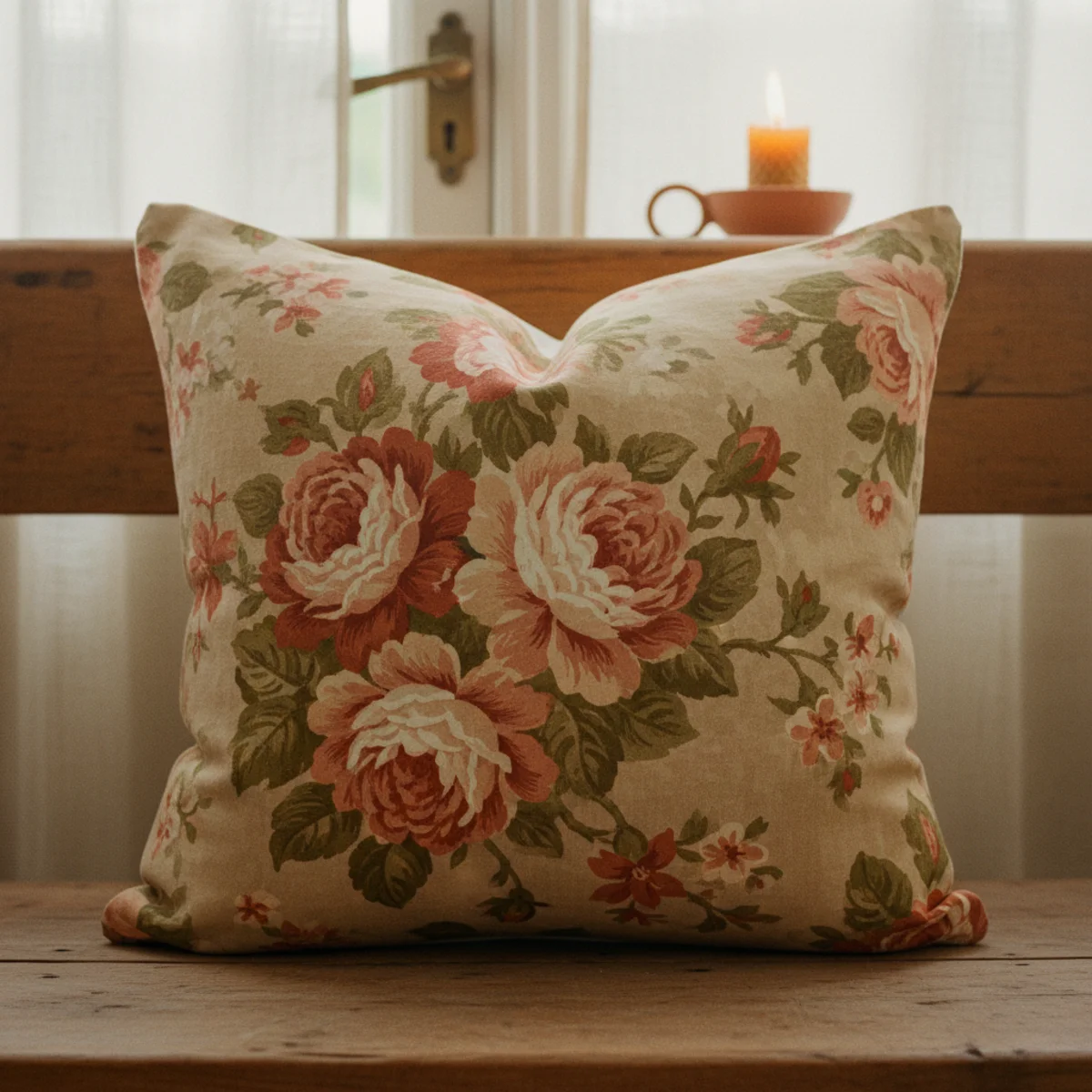
Cottagecore textile layering goes deeper than warm minimalism — quilts on beds and over chair backs, embroidered linen napkins, hand-stitched table runners, vintage tea towels hung in kitchen, lace-trimmed pillowcases, antique grain sacks repurposed as cushion covers. The accumulated vintage textile collection signals generations of household textile life rather than single retail purchase.
Vintage textile categories for cottagecore: VINTAGE QUILTS — patchwork or whole-cloth quilts in faded warm-color palettes (cream, faded rose, soft yellow, muted blue) from estate sales at $30-150, antique stores at $80-400, or family heirlooms. Drape on beds, throw over chair backs, fold at foot of bed for visible layering. EMBROIDERED LINENS — hand-embroidered tea towels, table runners, napkin sets, pillowcases at $5-30 each from estate sales, $15-60 retail from Etsy artisans. Use functionally and visually. ANTIQUE GRAIN SACKS — vintage cotton or linen grain sacks with original stamps and stripes at $30-120 each from Etsy, antique stores, or estate sales. Repurpose as cushion covers, table runners, or wall hangings. CROCHET AND LACE — vintage doilies as protective layer under glassware, lace-trimmed pillowcases, crochet throws ($5-40 thrifted, $30-150 vintage). HAND-WOVEN OR HAND-LOOMED PIECES — small rugs, table linens, throws from independent makers ($60-300 from Etsy or directly from textile artists). DISTRIBUTION across the home: bedroom (quilt + lace-trimmed pillowcases + embroidered runner on dresser), living room (vintage quilt over chair + crochet throws), kitchen (embroidered tea towels hung visibly + table runner + lace doilies), dining room (vintage linen tablecloth + embroidered napkins).
AFFILIATE SLOTTEXTILESVintage quilts, embroidered linens, antique grain sacks, crochet doilies, hand-woven pieces from estate sales and EtsyAdd affiliate URL when configuredWhy it works
Because vintage textiles carry visible age, hand-work, and accumulated character that new textiles cannot replicate — and cottagecore is built around this visible passage of time. The hand-stitched embroidery on a 1940s linen, the slightly faded patchwork of a great-grandmother's quilt, the original stamps on a vintage grain sack all signal the kind of household life that cottagecore romanticizes. New 'cottage-style' textiles from commercial retailers cannot match the actual age and use. The vintage textile distribution across multiple rooms is what makes cottagecore feel deep rather than surface.
Pro tip — Build the vintage textile collection through 12-18 months of estate sale visits rather than through one shopping trip — patient accumulation produces both better individual pieces and the appearance of accumulated household life that single-trip purchasing cannot fake. Saturday morning estate sales in old neighborhoods yield the best textile collections at the lowest prices.
Vintage patchwork quilt, embroidered lace-trimmed pillowcases, embroidered dresser runner — accumulated textile life. See also: thrifted-decor-ideas
03Choose Worn, Honest Wood
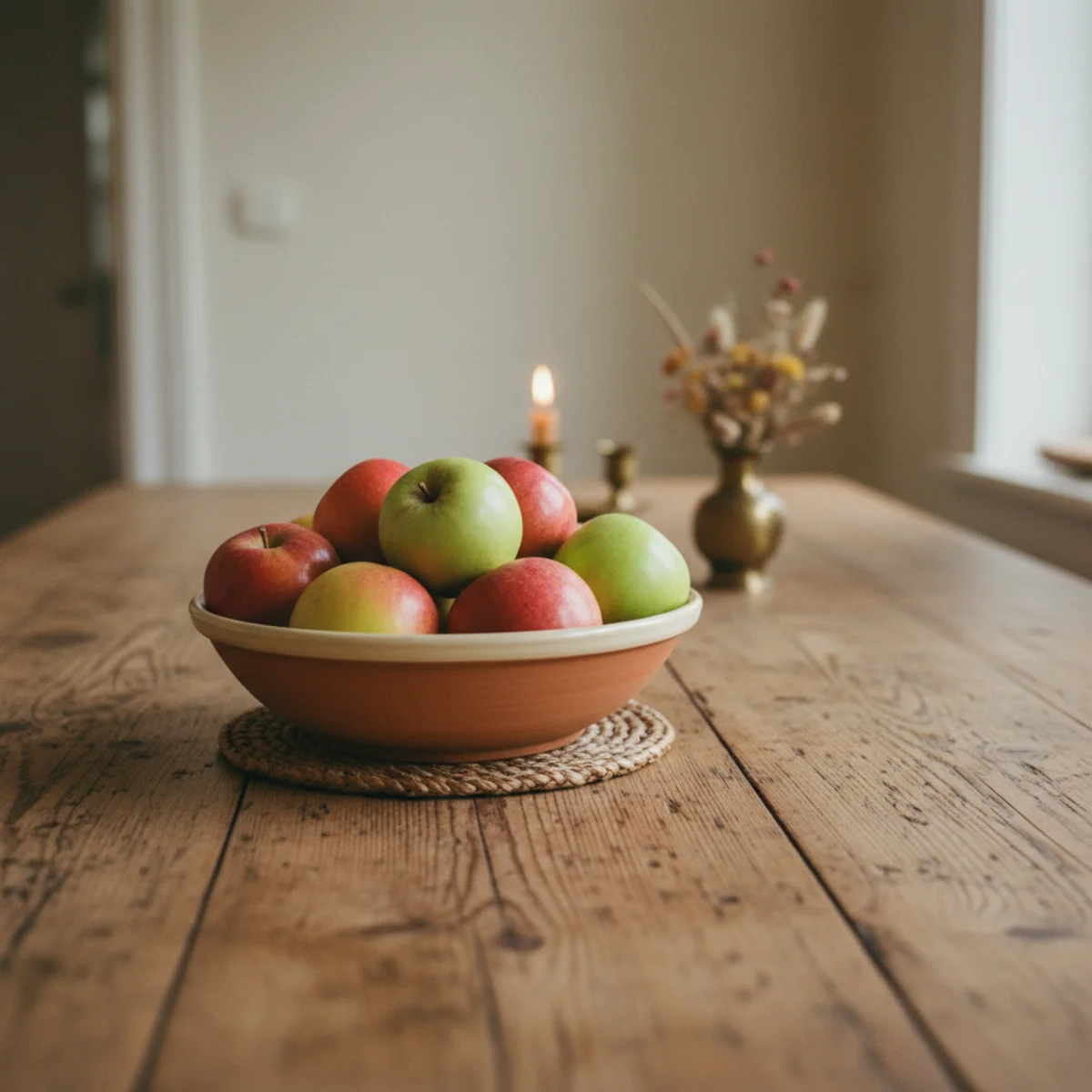
Cottagecore wood furniture shows actual age and use — original patina from decades of polishing, slight wear marks at handles and edges, occasional water rings or small chips that signal real history. Skip distressed-by-design retail furniture that simulates wear; choose vintage and antique pieces that earned their wear through actual life.
Honest wood furniture sources and specifications: VINTAGE FARMHOUSE TABLE — solid wood (oak, pine, walnut) at 28-30 inches tall, showing original wear marks, patina from decades of use ($150-800 from estate sales, antique stores, Marketplace). Avoid heavily-restored pieces; choose those with visible original character. ANTIQUE DRESSER OR ARMOIRE — solid wood with original hardware, drawer bottoms showing age, slight settling that proves age ($200-1,000 from antique stores or estate sales). VINTAGE WINDSOR CHAIRS, LADDER-BACK CHAIRS, OR PRESSED-BACK CHAIRS — solid wood at $40-200 each from estate sales (often available in sets of 4-6 at substantial discount). FARMHOUSE PINE BENCH or SIDE TABLE — small accent pieces at $40-200. VINTAGE HUTCH OR SIDEBOARD — primary display piece for kitchen or dining room at $300-1,200 from estate sales. AVOID: distressed-by-design retail furniture (chalk paint over MDF, fake worm holes, factory-applied 'aged' finish), brand-new 'farmhouse style' pieces from big-box retailers, anything reading as obviously new-with-applied-character. AGING SIGNALS that matter: original hardware (cast iron handles, glass knobs, brass pulls with patina), drawer construction that shows hand-cut joints, wood grain visible through worn finish rather than under thick stain.
AFFILIATE SLOTFURNITUREVintage farmhouse table, antique dresser, Windsor/ladder-back chairs, pine bench, vintage hutch from estate sales at $40-1,200Add affiliate URL when configuredWhy it works
Because the difference between actual aged wood and factory-distressed wood is visible — original patina has subtle character variation across the entire piece, where applied 'aging' has consistent identical wear marks at predictable spots. The visible difference reads as 'real history' versus 'simulated aesthetic.' Cottagecore is built around real history; faked aging fights the entire premise. The honest vintage piece at $200 from estate sale outperforms the new $600 distressed retail piece every time — and at lower cost.
Pro tip — Look for vintage furniture with the maker's stamp, original receipt or paperwork tucked inside drawers, or family provenance information — these documents authenticate genuine age and add to the piece's story. Estate sale pieces especially often come with such documentation since the original family is typically downsizing.
Vintage farmhouse pine table with original patina and visible wear marks — earned wear over decades. See also: ikea-hacks-cozy-home
04Add Gingham or Ticking Stripe
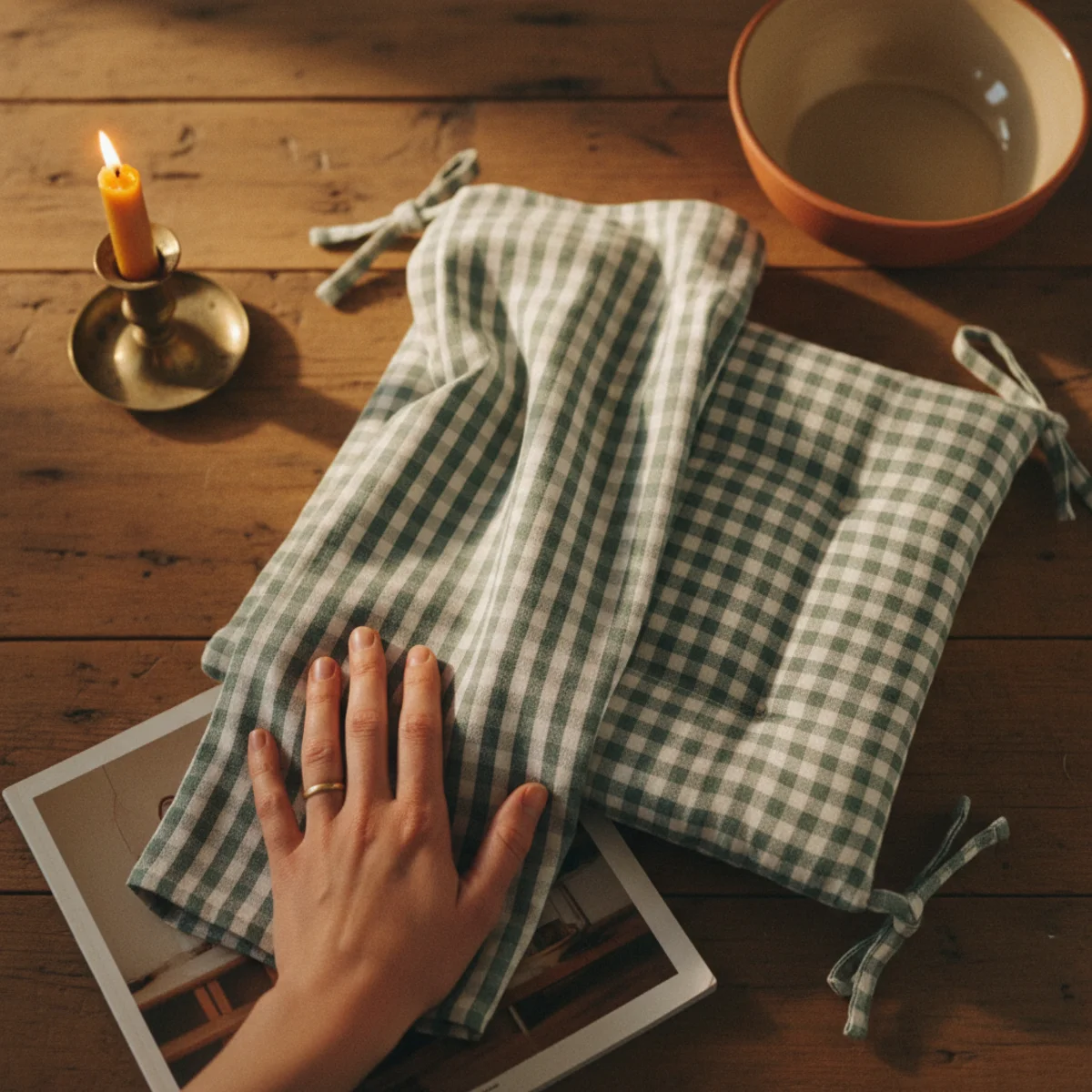
Gingham checks and ticking stripes are the iconic cottagecore textile patterns — small-scale checks in warm earth colors (faded red, soft blue, muted yellow, sage green) or vintage ticking stripes (cream with subtle stripe in warm tone) on cushions, curtains, tea towels, and table linens. The patterns add visual character without competing with florals.
Gingham and ticking specifications: GINGHAM CHECKS — small scale (1/8 to 1/4 inch checks) in warm faded colors (faded red and cream, soft sage and cream, muted yellow and cream, dusty blue and cream). Best applications: small cushions, tea towels, table linens, café curtains. SOURCES — vintage gingham fabric at estate sales for DIY cushion covers ($5-15 per yard), vintage gingham table linens at $5-30 each, retail gingham at Magnolia, Anthropologie, vintage-styled retailers ($20-60 per piece). TICKING STRIPE — cream or natural background with subtle vertical stripe in warm tone (faded blue, soft red, muted ochre). Best applications: pillow shams, larger cushions, curtain panels, fabric upholstery on small accent furniture. SOURCES — vintage ticking grain sacks repurposed at $30-80 each, retail ticking fabric at $15-30 per yard, retail ticking pieces at $25-80 each. DISTRIBUTION — one or two pieces per room maximum; gingham everywhere becomes themed display, where strategic single pieces add cottagecore character. PALETTE — coordinate with rest of room's warm palette family; faded red gingham fits terracotta-warm rooms, sage gingham fits sage-warm rooms, soft blue gingham fits cream-warm rooms with subtle cool accent. AVOID — bright modern primary-color gingham (too saturated for cottagecore), oversized check patterns (read as decorative not cottagecore), polyester gingham (synthetic feel fights aesthetic).
AFFILIATE SLOTPATTERNSmall-scale gingham checks (1/8-1/4 inch) and ticking stripes in warm faded colors on cushions, tea towels, table linens, curtainsAdd affiliate URL when configuredWhy it works
Because both patterns historically belong to actual cottage and farmhouse life — gingham appeared in real European peasant clothing, real American farmhouse kitchens, real cottage curtains and table linens for centuries; ticking stripe was the actual fabric of grain sacks, mattress covers, and farm work clothes. These aren't decorative-inspired patterns; they're historically authentic to cottage life. Using them in cottagecore decor connects the aesthetic to the actual history it draws from. Newer 'cottage-style' patterns (modern florals on synthetic fabric, themed cottagecore graphics) lack this historical grounding.
Pro tip — Pair gingham with florals rather than with other patterns — the small-scale gingham check provides geometric contrast against organic floral shapes, which works well visually. Pairing gingham with another pattern (stripes + checks together, two different gingham scales, gingham + plaid) tips into pattern-mixing complexity that fights cottagecore simplicity.
Faded red gingham cushion + cream ticking stripe pillow — patterns historically authentic to cottage life. See also: modern-farmhouse-decor
05Display Practical Objects
Cottagecore styling features practical objects — ceramic crocks, copper pots, wooden bowls, glass storage jars, vintage scales, milk pitchers, butter crocks, mortar and pestle — visible and used rather than hidden in cabinets. The practical objects signal real household function rather than purely decorative display, which is foundational to cottagecore's connection-to-real-life premise.
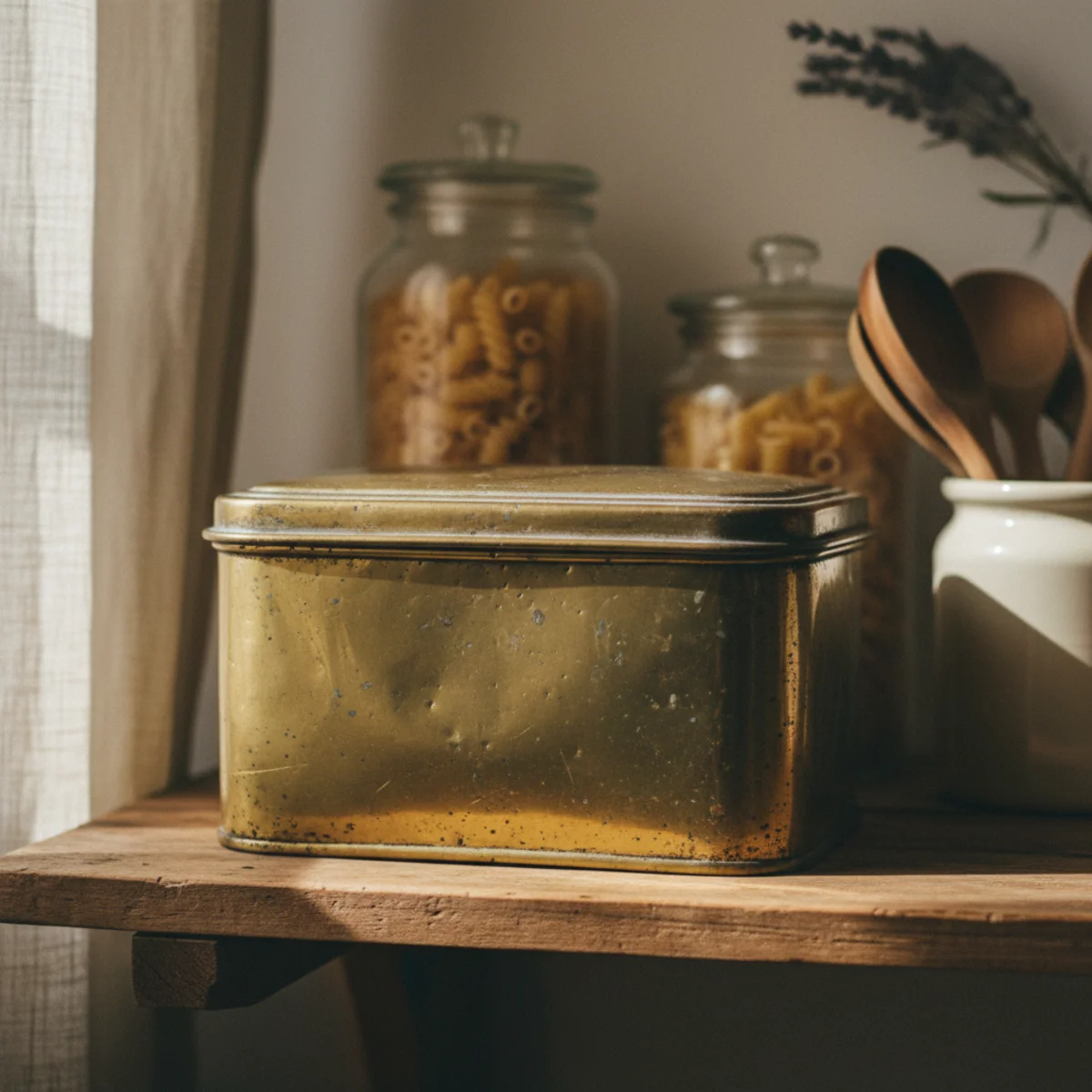
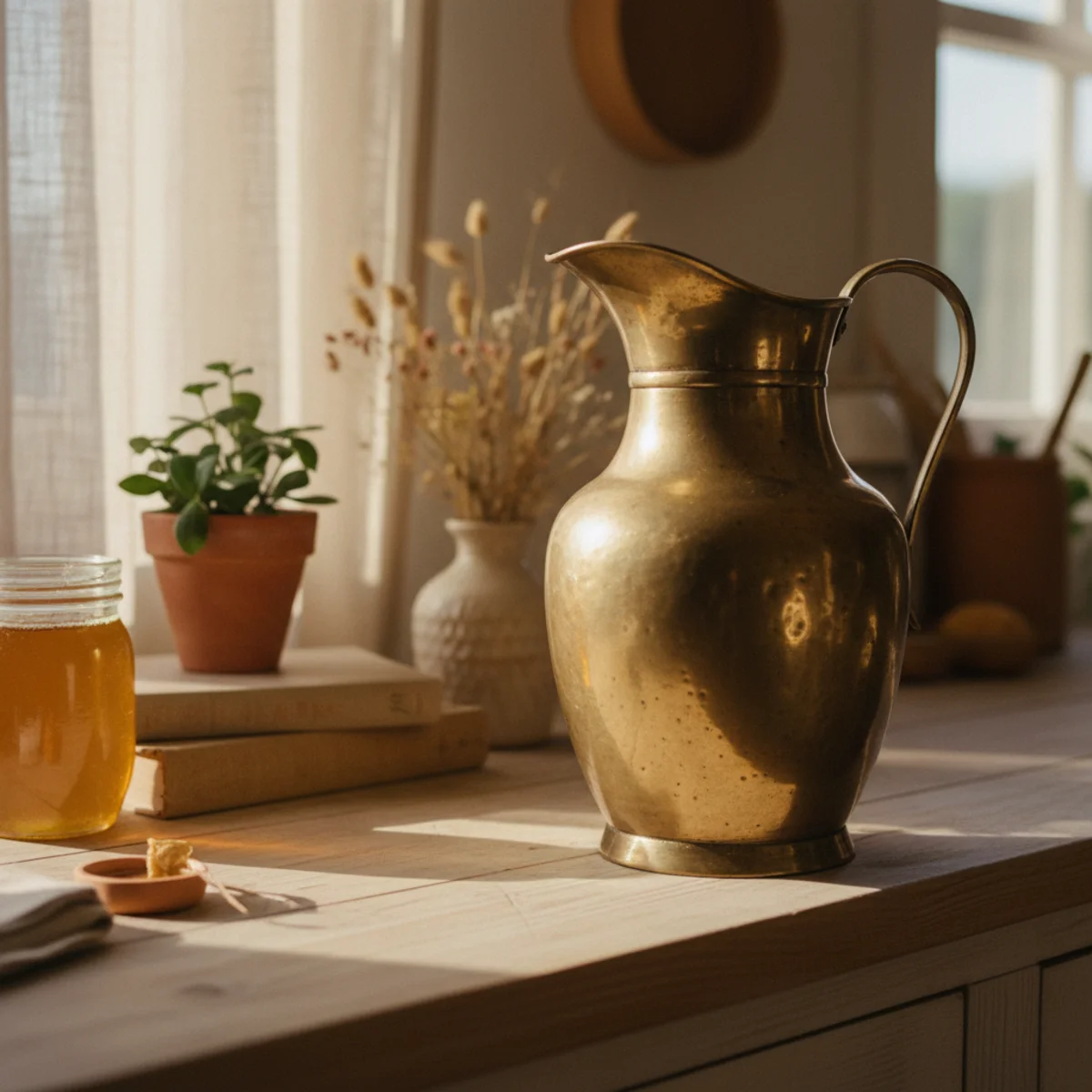
Practical object categories for cottagecore: KITCHEN PRACTICAL OBJECTS — ceramic crocks for utensils ($20-80 each at estate sales or new from local pottery), copper pots hung on walls or above range ($30-200 each from vintage shops or Ross Simons), wooden bowls in varying sizes for daily food prep ($15-80 each), glass storage jars for flour/sugar/grains with chalk labels ($5-20 each from Mason Jar Merchant or hardware stores), vintage scales for produce or baking ($30-120 from estate sales or antique stores), large butter crock with cover ($25-80). DINING PRACTICAL OBJECTS — vintage milk pitchers in white ironstone or earthenware ($15-60 each from estate sales), small ceramic pitchers for cream or syrup ($10-30 each), wooden cutting boards displayed when not in use ($15-100). HOUSEHOLD PRACTICAL OBJECTS — vintage mortar and pestle ($20-80), small ceramic vessels for soap or hand cream ($10-30 each from Etsy artisans), wooden tool handles, ceramic egg holders. PLACEMENT — primary working positions in the kitchen, dining areas, or wherever the function actually happens. NOT hidden in cabinets, NOT clustered for display, NOT styled with empty intent. The objects should be reached for and used daily; if not, they don't belong in the cottagecore home regardless of how beautiful they are.
AFFILIATE SLOTDISPLAYCeramic crocks, copper pots, wooden bowls, glass storage jars, vintage scales, milk pitchers, mortar and pestle visible in kitchenAdd affiliate URL when configuredWhy it works
Because cottagecore's premise is connection to real-life household work — baking, preserving, gardening, daily food preparation — and visible practical objects signal that this work happens here. Cabinet-hidden tools signal 'we have a kitchen with stored tools'; visible practical objects signal 'we work here, cook here, preserve here.' The same household with the same activities but different display choices produces dramatically different cottagecore reads. The visibility also encourages actual use (a copper pot hung visibly gets reached for more than the same pot in a cabinet), which deepens the household's connection to the aesthetic over time.
Pro tip — Hang copper pots and large wooden utensils visibly with brass hooks ($1-3 per hook) above the range or on a kitchen wall — the visible storage doubles as decor and as functional accessibility. The hooks cost almost nothing; the visual impact is significant; the hung pots get reached for more readily than cabinet-stored equivalents.
Ceramic utensil crocks, hung copper pots, labeled glass jars, vintage pitcher — visible practical household life. See also: cozy-kitchen-ideas
06Hang Dried Herbs and Flowers
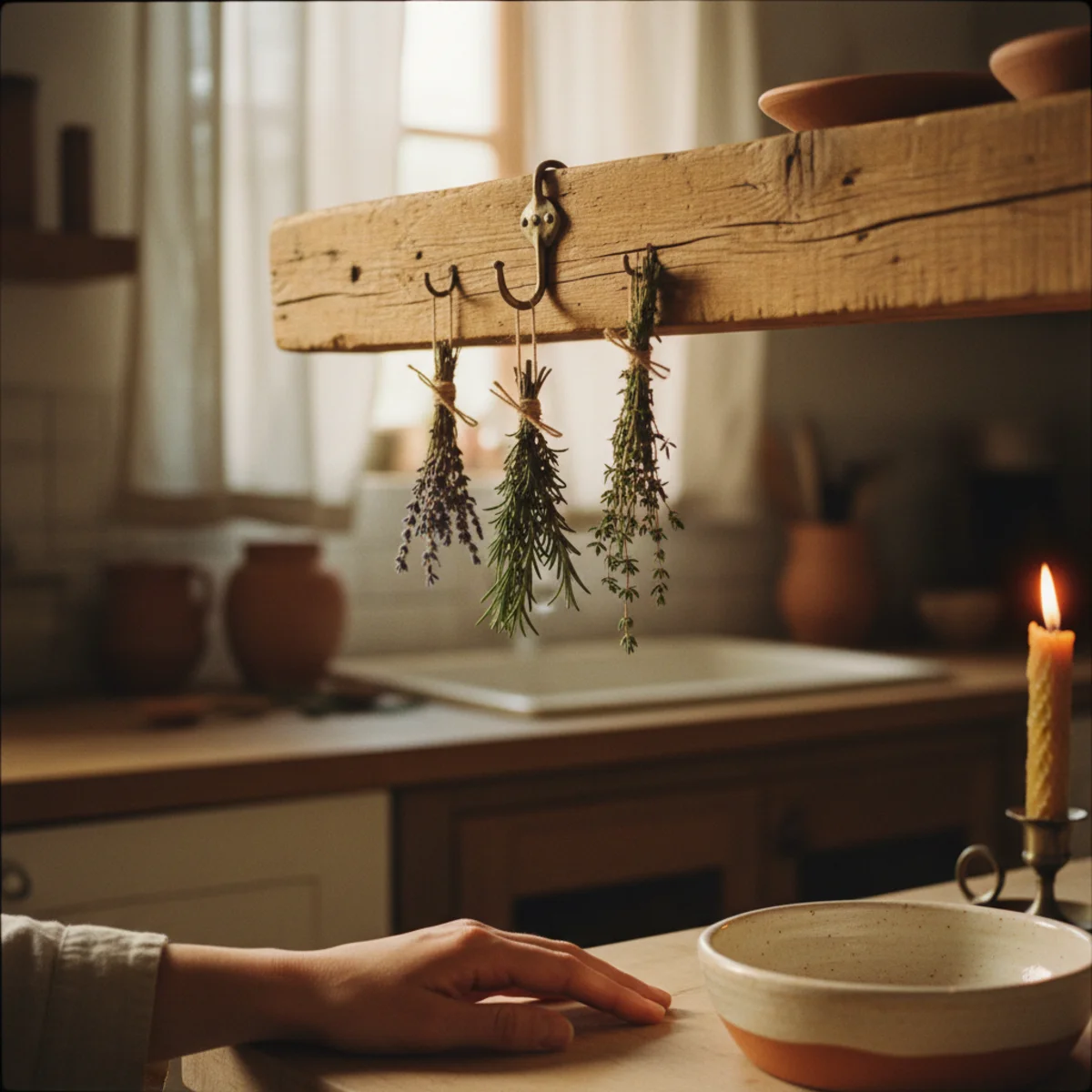
Hanging dried herbs from beams, kitchen rafters, walls, or open shelving is the iconic cottagecore moment — bundles of dried lavender, sage, rosemary, oregano, dried roses, statice, yarrow tied with twine and hung overhead. The dried botanicals signal home preservation, herbal use, garden continuation through winter, and accumulated seasonal harvest practice.
Drying and hanging specifications: HERBS TO DRY — lavender (cut at peak bloom, hang upside down 1-3 weeks), sage, rosemary, oregano, thyme, mint (all dry well, retain color and scent), bay leaves, sage flower stalks. FLOWERS TO DRY — hydrangeas (cut at end-of-season as petals begin to thin and harden), roses (cut at full bloom, hang upside down), statice, larkspur, lavender, dried Queen Anne's lace, yarrow, achillea. METHOD — gather 5-15 stems into bundle, tie with jute twine or natural fiber string at the stem ends, hang upside down in dry place (kitchen, pantry, attic, or visible cottagecore-styled position) for 1-3 weeks until fully dry. DISPLAY POSITIONS — wooden beams in kitchen (most cottagecore), open kitchen shelving sides, walls beside windows where light backlit the bundles, simple hooks on cabinet exteriors. SOURCING IF NOT GROWING — Etsy dried flower shops at $10-30 per bundle (still authentic-looking for display), farmers markets at $5-15 per bundle in late summer, your own foraged versions for $0. ROTATION — replace bundles seasonally for visual freshness; old dried bundles lose color and scent gradually over 6-12 months. The visible drying process (fresh bundles hung for the first few weeks of drying) is its own cottagecore display moment.
AFFILIATE SLOTBOTANICALBundles of dried lavender, sage, rosemary, oregano, dried roses, hydrangeas, yarrow tied with jute twine hung from beams or shelvingAdd affiliate URL when configuredWhy it works
Because hanging dried herbs is the most-direct visual expression of household self-sufficiency that cottagecore romanticizes — the home that grows, preserves, and uses its own herbs and botanicals across the year. The hanging bundles signal seasonal harvest practice continuing into the kitchen, the herbs being used in actual cooking and infusion, the household's connection to plant material beyond decorative display. Even purchased dried herbs hung visibly read this signal; growing your own deepens the authenticity but isn't required for the aesthetic. The single moment of hung dried herbs distinguishes cottagecore kitchens from generic farmhouse-style or vintage-inspired kitchens.
Pro tip — Start drying herbs and flowers from your own garden in late summer — early September timing yields the most-colorful dried botanicals (still-bright lavender, rich rose colors, full hydrangea heads). Hang in a dry spot for 2-3 weeks, then move to display positions. The seasonal practice itself becomes part of the cottagecore household rhythm.
Dried lavender, sage, rosemary, and roses hung from beams with jute twine — household self-sufficiency made visible. See also: diy-home-decor-ideas
07Use Soft, Faded Color
Cottagecore palette commits to soft faded colors — never saturated, always slightly muted as if aged by sun and decades of washing. Faded rose, dusty blue, soft sage, muted ochre, warm cream, gentle clay. The palette discipline distinguishes genuine cottagecore from commercial cottagecore (which often uses saturated 'farmhouse' colors that read as new-faux-vintage).
Cottagecore palette spectrum: PRIMARY (60-70% of visible color across rooms) — warm cream, oat, soft beige, faded ivory. The neutral foundation. SECONDARY (20-30%) — faded rose, dusty blue, soft sage, muted ochre, soft pinky-terracotta, washed plum. Muted variations of traditional cottage colors. ACCENT (5-10%) — deeper muted variations for occasional punctuation: faded blackish-rust, soft moss green, deep washed mustard. AVOID: bright primary colors, saturated jewel tones (royal blue, emerald, ruby), pure white (too crisp for cottagecore), pure black (too modern). MATCHING PAINT COLORS — Farrow & Ball Setting Plaster 231 (faded rose), Cromarty 285 (soft sage), Tunsgate Green 250, Pavilion Gray 242 (warm grey), Pointing 2003 (warm white), Joa's White 226. Benjamin Moore Soft Chamois OC-13 (warm cream), Bavarian Cream OC-12, Pottery 1297 (muted ochre). TEXTILES IN PALETTE — vintage faded textile colors are naturally in the right palette (decades of washing produces the soft faded look automatically). RETAIL TEXTILES — choose 'washed' or 'faded' versions when available; avoid 'vibrant' or 'bold' descriptors. The faded palette is what makes cottagecore feel genuinely vintage rather than new-imitating-vintage.
AFFILIATE SLOTPALETTESoft faded warm colors: cream + oat + faded rose + dusty blue + soft sage + muted ochre. F&B Setting Plaster, Cromarty, Joa's White; BM Soft Chamois, PotteryAdd affiliate URL when configuredWhy it works
Because saturated colors signal 'new and bold' where faded colors signal 'aged and accumulated' — and cottagecore is built around the aged-and-accumulated aesthetic. The same room with saturated-bright colors reads as themed cottagecore display; with faded muted colors, it reads as actual cottage that has aged over decades. The visual difference is significant and immediate. Even brand-new textiles, painted walls, and decor pieces in the faded palette read as cottagecore where the same pieces in bright palette would read as 'farmhouse style' or 'country chic' but not as authentic cottagecore.
Pro tip — Test paint colors against vintage textiles BEFORE committing to wall paint — bring vintage quilts, dried botanicals, or aged paper samples into the room and hold against potential paint colors. The vintage materials are the reference for 'truly faded'; paint colors that look slightly too bright beside them won't read as authentic cottagecore on the wall.
Faded rose walls, cream linen, dusty blue gingham, muted ochre throw — disciplined soft faded palette. See also: best-paint-for-warm-home
08Add a Vintage Floral Print
One vintage floral print piece per room — a faded vintage botanical illustration, an antique embroidered wall hanging, a vintage floral painting in a thrifted gilded frame, a Victorian flower sampler. The single piece anchors the room visually and connects to the broader floral-life theme without requiring florals on every textile and surface.
Vintage floral print specifications: BOTANICAL ILLUSTRATIONS — vintage scientific botanical prints (Curtis's Botanical Magazine reproductions, vintage seed catalog illustrations, antique flower charts) at $20-150 each from antique stores, Etsy vintage shops, or estate sales. Frame in simple wood frame or vintage gilded frame. ANTIQUE EMBROIDERED WALL HANGINGS — vintage embroidered florals on linen or silk, framed or unframed at $40-300 from antique stores, Etsy, or estate sales. The hand-embroidery shows actual time investment. VINTAGE FLORAL PAINTINGS — small oil paintings or watercolors in muted floral palette at $30-300 from estate sales, antique stores, or thrift shops. Look for amateur or unsigned pieces (often more affordable and more cottagecore-authentic than known-artist pieces). VICTORIAN FLOWER SAMPLERS — hand-stitched samplers with floral motifs at $40-200 vintage. PLACEMENT — one piece per room, hung at eye-level OR leaned against wall on shelf or mantel. AVOID: modern floral prints in saturated colors, mass-produced 'vintage style' florals from big-box retailers, oversized floral pieces that overwhelm rather than anchor.
AFFILIATE SLOTARTONE vintage botanical illustration, antique embroidered floral, vintage floral painting, or Victorian sampler per roomAdd affiliate URL when configuredWhy it works
Because cottagecore already has floral presence throughout (fresh florals, dried botanicals, hanging herbs) — adding multiple floral wall pieces would tip into themed display rather than supporting the broader cottagecore composition. The single vintage piece anchors the wall, provides specific floral subject matter visually, and connects to the room's overall floral theme without overwhelming. The vintage character also reinforces cottagecore's premise of accumulated life rather than themed purchase.
Pro tip — Build a small collection of vintage botanical and floral prints over 6-12 months of thrift store and estate sale visits — patient accumulation often yields 4-6 framed pieces at $10-30 each that collectively cost less than one new vintage-style print at retail. The accumulation also produces variety that single-trip purchasing cannot.
Vintage botanical print of garden roses in wood frame — single floral wall piece anchoring the room. See also: gallery-wall-ideas
09Keep One Surface Cluttered, Warmly
The most-counterintuitive cottagecore principle: deliberately keep one surface per room warmly cluttered — a kitchen countertop with crocks and cookbooks and bread, a dresser top with letters and frames and small objects, a side table with books and tea and notes. The warm cluttered surface signals 'inhabited household life' where polished empty surfaces signal 'styled but empty home.'
Warm-clutter principles: ONE SURFACE PER ROOM designated as warmly cluttered — kitchen countertop, dresser top, side table beside chair, mudroom bench, mantel shelf. ITEMS THAT BELONG — actual household life items: a stack of cookbooks being referenced, a half-burned candle, fresh-cut flowers in glass, opened mail or notes, a worn book, a ceramic mug, a small plant, a vintage object, recently-used craft materials, a basket of mending. The items should signal real ongoing activity, not staged display. DISCIPLINE — 'warm' clutter has limits: items should belong to the room's purpose, items should be in active use, items should rotate as use shifts. Three pots on a stove (currently cooking dinner) = warm clutter; ten pots accumulated and unused = visual mess. Five books on the bedside table (recent reading) = warm clutter; fifty books in disordered pile = visual mess. EVERY OTHER SURFACE in the room stays disciplined and clean — the warmly cluttered surface gains its character from being the exception. ROTATE the cluttered surface periodically; the kitchen counter cluttered with summer canning in August becomes the dresser cluttered with autumn correspondence in October. The 'one surface' rule prevents whole-house clutter by limiting the exception.
AFFILIATE SLOTCOMPOSITIONONE surface per room warmly cluttered with active-use items (cookbooks, candles, fresh flowers, notes, mug); every other surface disciplined and cleanAdd affiliate URL when configuredWhy it works
Because cottagecore's premise of inhabited household life requires visible evidence of that life — and the warm cluttered surface provides that evidence concentrated in one composed location. The single surface signals 'real ongoing activity happens here' where polished empty surfaces signal 'staged or unused space.' The discipline (one surface only, everything else clean) prevents the cluttered surface from spreading into accumulated mess. The contrast also makes both effects work: clean surrounding surfaces make the warm clutter read as intentional life rather than as oversight; the warm clutter makes the clean surrounding surfaces read as deliberate composition rather than as sterile staging.
Pro tip — Photograph your warmly-cluttered surface weekly to track whether it stays 'warm-cluttered' or drifts toward 'cluttered-cluttered' — the weekly photo makes drift visible and lets you edit before the surface becomes overwhelmed. The visual record also helps identify which items you keep adding versus which actually serve the warm-life narrative.
Kitchen counter warmly cluttered with cookbooks, fresh flowers, candle, scale, and plant — inhabited household life concentrated. See also: warm-minimalism
10Bring the Outside In
Cottagecore homes deliberately blur the boundary between inside and outside — open windows whenever weather permits, indoor plants throughout, foraged branches in vases, photographs and paintings of nearby landscape, herbs and vegetables migrating from garden to kitchen. The continuous indoor-outdoor flow reinforces cottagecore's connection-to-nature premise.
Inside-outside continuity practices: OPEN WINDOWS during pleasant weather (spring, fall, mild winter days, summer mornings and evenings) — the actual air flow matters more than the visual gesture. Maintain insect screens for practicality but commit to open windows when possible. INDOOR PLANTS throughout the home — small herb plants in kitchen window, fresh-cut foraged sprigs in jars, larger plants in living spaces (snake plants, pothos, monstera, ficus, olive trees at various sizes). PLANT QUANTITY — one to three plants per room (more for plant-loving households, less for cottagecore minimalist interpretation). FORAGED BRANCHES AND BOTANICALS — sprigs from yard walks, autumn branches with leaves, dried grasses, wildflowers, winter pine boughs continuously rotating through small vases on shelves and tables. INDOOR-OUTDOOR ART — landscape paintings of nearby fields, vintage botanical illustrations, framed pressed leaves and flowers from yard, photographs of garden moments. KITCHEN GARDEN MIGRATION — fresh herbs cut from garden brought directly to kitchen counter for cooking, vegetables from garden displayed before preparation, eggs from chicken coop in bowl on counter. The continuous flow signals that inside and outside are part of one household ecosystem rather than discrete spaces.
AFFILIATE SLOTCONNECTIONOpen windows + indoor plants 1-3 per room + foraged branches rotating + landscape art + garden-to-kitchen herb migrationAdd affiliate URL when configuredWhy it works
Because cottagecore romanticizes the cottage embedded in landscape — the home that opens directly to garden, the kitchen door to herb beds, the bedroom window to meadow. Modern homes often architecturally separate inside from outside, but cottagecore practices can recreate the flow through plant presence, foraged materials, landscape art, and habitual indoor-outdoor movement. The discipline reverses modern indoor-only living patterns and creates the cottage feeling even in homes that aren't architecturally cottage. The single most-underrated cottagecore practice is genuine indoor-outdoor commitment.
Pro tip — Plant a small herb garden right outside the kitchen door if possible — the proximity makes daily kitchen-to-herb-garden migration practical, which deepens cottagecore practice through daily ritual. Even a single 2x3 foot herb bed within 10 feet of kitchen door creates the daily migration. Apartment dwellers can use windowsill herb pots for the same effect at smaller scale.
Open window, herb garden outside, fresh-cut herbs on sill, indoor plants, landscape art — continuous indoor-outdoor flow. See also: indoor plants
11Add Open Shelving With Earthenware
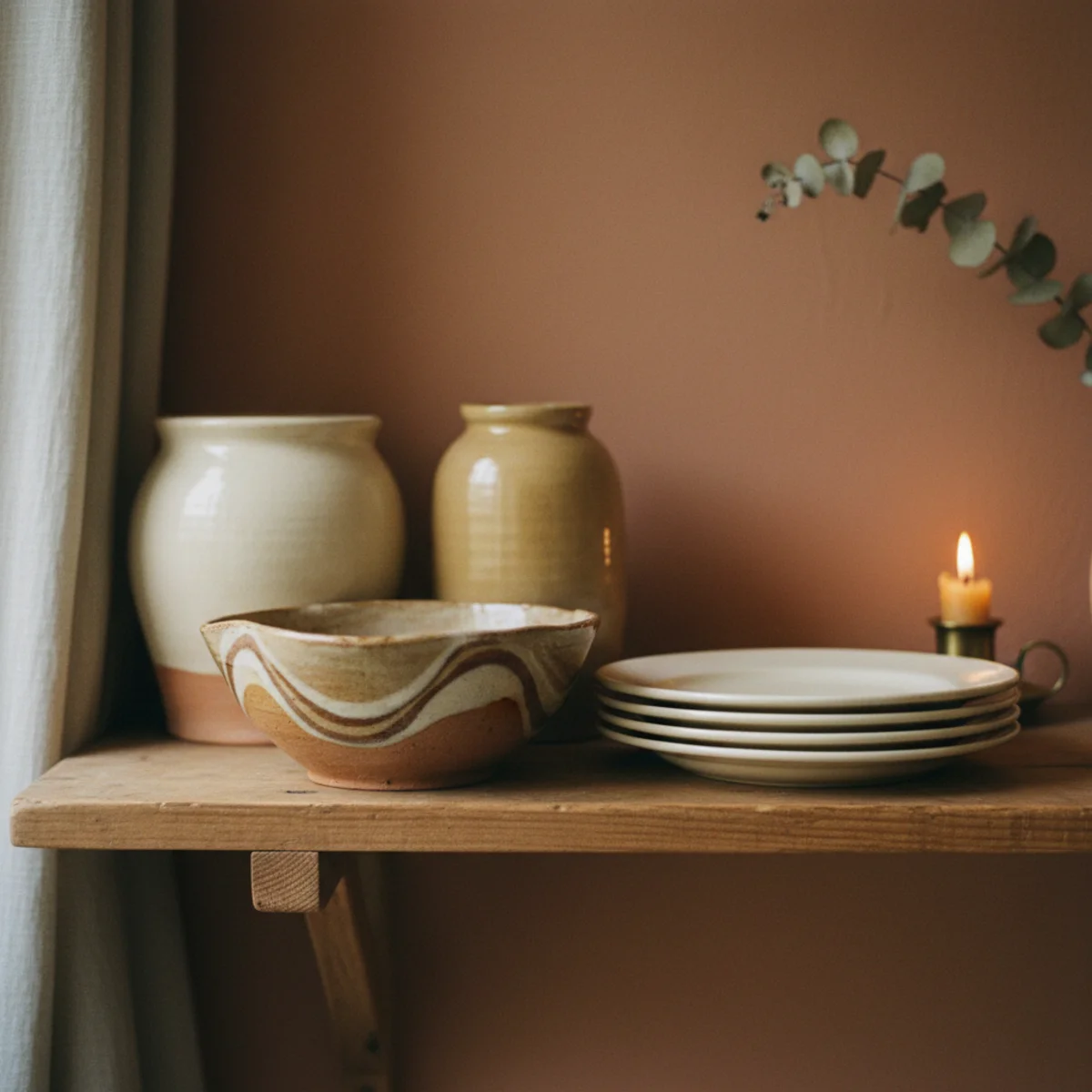
Open shelving displaying earthenware (white ironstone, brown stoneware, vintage spongeware, blue-and-white transferware) is a cottagecore foundation — visible everyday dishes signal regular cooking and eating, the ceramic textures and warm colors complement the broader palette, and the open display invites use rather than hiding dishes behind cabinet doors.
Open shelving and earthenware specifications: OPEN SHELVES — wooden shelves at 30-50 inches above counter in kitchen, OR repurposed vintage cabinet with removed doors, OR hutch with open upper section. Heights varied (2-4 shelves at 12-18 inches between). EARTHENWARE CATEGORIES: WHITE IRONSTONE — chunky simple white ceramic with slight pinkish or grey undertone ($5-60 per piece at estate sales, $20-150 retail). Classic cottagecore. BROWN STONEWARE — warm brown ceramic in simple forms (pitchers, crocks, bowls, plates) at $5-50 from estate sales, $20-100 retail. VINTAGE SPONGEWARE — ceramic with sponged-glaze decoration in faded blue, green, or brown at $20-100 per piece. BLUE-AND-WHITE TRANSFERWARE — willow pattern or similar at $15-150 per piece from estate sales and antique stores. ARRANGEMENT — group similar pieces together (all white ironstone on one shelf, all blue transferware on another), then layer with smaller pieces on plate stands behind larger pieces. INCLUDE WORKING DAILY DISHES (the ones actually used) in the display rather than display-only ceramics. SKIP — modern ceramics that look new, glossy white modern dinnerware, anything reading as commercial set rather than as accumulated collection.
AFFILIATE SLOTDISPLAYOpen shelving with white ironstone, brown stoneware, vintage spongeware, or blue-and-white transferware grouped by typeAdd affiliate URL when configuredWhy it works
Because the open visibility signals daily use of beautiful dishes — the household that displays its earthenware uses it for daily meals rather than hiding it for special occasions. The visibility also makes the dishes part of the kitchen's continuous decor rather than separate utility items. Earthenware specifically (versus modern porcelain or fine china) has the substantial handmade character that fits cottagecore aesthetic — heavier weight, slight glaze irregularities, warm-toned color palette. The combined effect signals cottage household with daily ceramic use rather than modern household with stored special-occasion dishes.
Pro tip — Source earthenware from estate sales rather than antique stores — estate sales typically have full sets of white ironstone or brown stoneware at $40-150 for 8-12 piece sets, where antique stores often price individual pieces at $20-60 each. The bulk approach builds full collections affordably.
Open shelving with grouped white ironstone, brown stoneware, and spongeware — daily-use ceramic collection. See also: shelf-styling-ideas
12Layer Soft Lighting
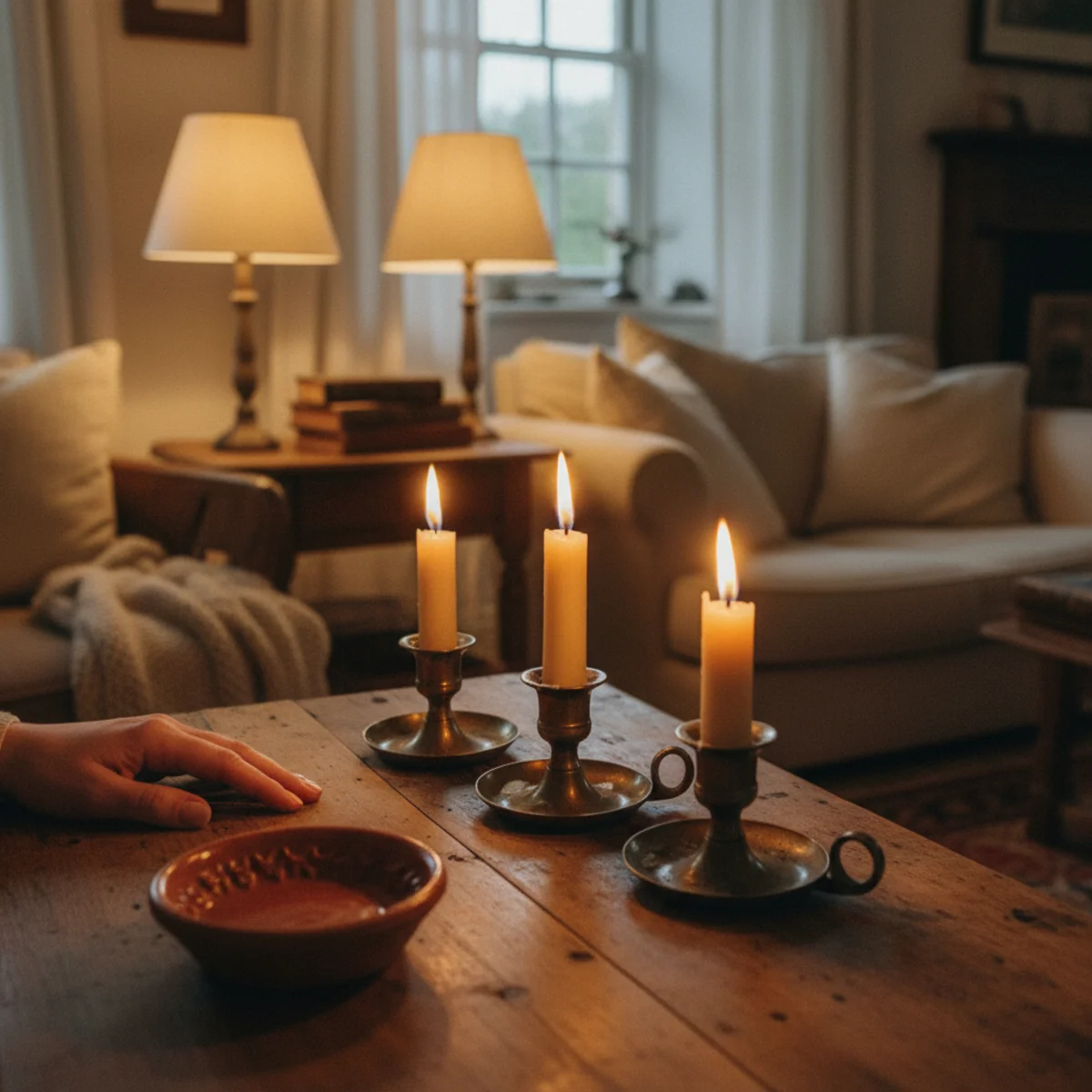
Cottagecore lighting commits to layered soft warmth — multiple low table lamps at 2700K, occasional candles in the evening, no overhead lighting during evening hours, lots of natural light through unblocked windows during the day. The cumulative soft warmth replaces single-bright-overhead lighting with multiple small atmospheric sources.
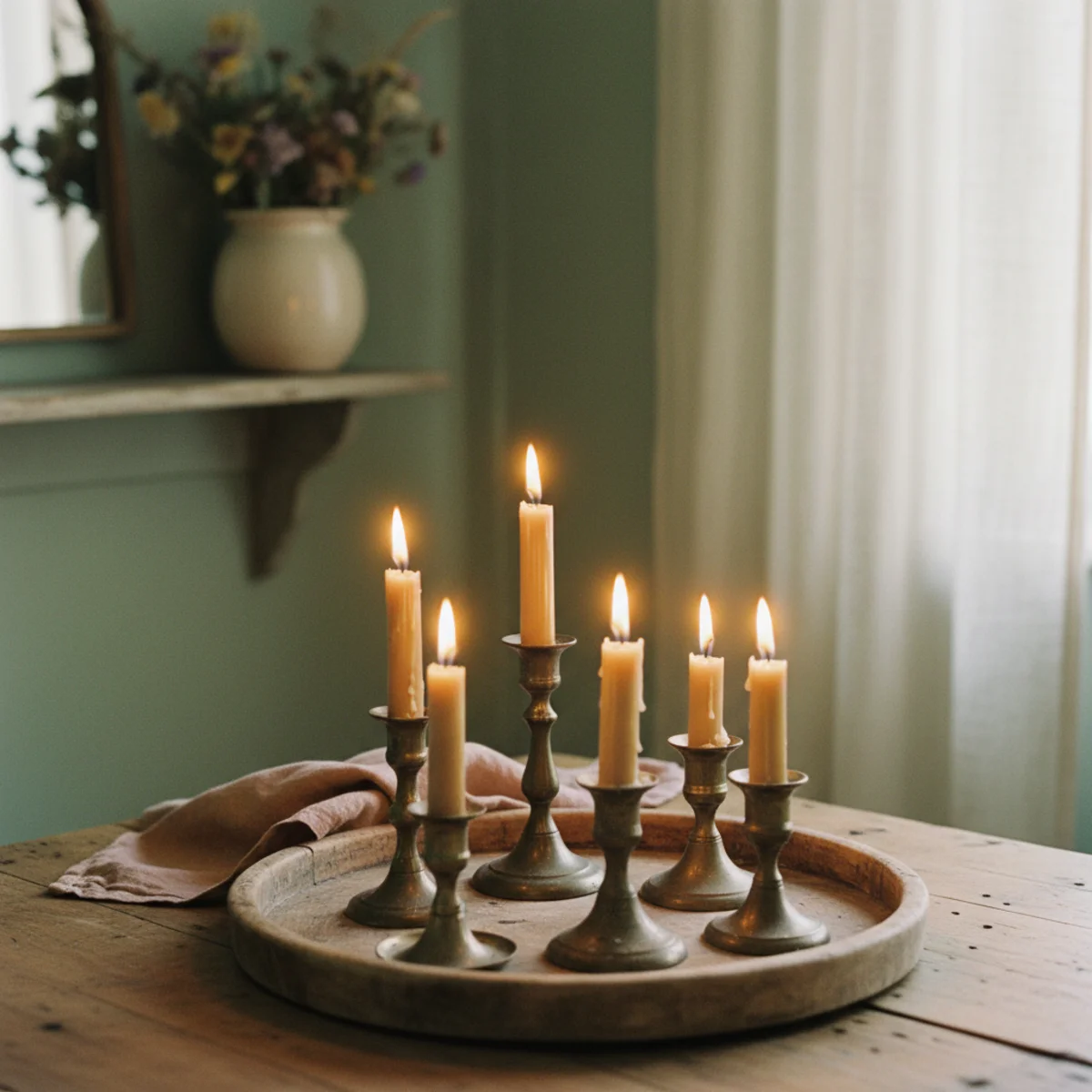
Cottagecore lighting setup: TABLE LAMPS — 3 to 5 distributed throughout primary living spaces, all at 2700K warm LED. Best base materials: ceramic (vintage or new from local potters), wood (carved or turned), warm brass (vintage), milk glass (vintage). Shades: linen, paper, fabric in cream/oat tones. PRICE — $40-150 each new, $20-80 each vintage. FLOOR LAMPS — 1 to 2 in living spaces, 55-65 inches tall, similar materials and shades. WALL SCONCES — vintage brass or ceramic sconces beside fireplaces, beside beds, or in hallways at $40-200 each. CANDLES — beeswax tapers and pillars in vintage brass candlesticks, used during evening hours throughout the home (kitchen during cooking, dining during meals, living room during evening reading). DIM OR SKIP OVERHEAD lighting during evening hours — overhead light fights cottagecore aesthetic regardless of bulb color. MAXIMIZE NATURAL DAYLIGHT through unblocked windows, sheer linen panels rather than heavy curtains, or no window dressings at all where privacy permits. The layered approach creates atmospheric depth — multiple small warm sources at varied heights rather than single bright overhead source.
AFFILIATE SLOTLIGHTING3-5 table lamps + 1-2 floor lamps + sconces + candles at 2700K throughout; dim or skip overhead during evening; maximize natural daylightAdd affiliate URL when configuredWhy it works
Because cottagecore is inherently a low-light atmospheric aesthetic — the warm glow of candle and lamp, the soft natural daylight, the gentle indoor-outdoor light flow — and bright overhead lighting destroys this atmosphere immediately. The same room with the same decor produces dramatically different cottagecore reads based on lighting choices alone. Cool overhead light at 4000K+ kills cottagecore; multiple 2700K low sources support it. The layered approach also creates visual depth and rhythm that single-source lighting cannot — eye journeys across multiple warm pools of light rather than processing one bright uniform field.
Pro tip — Install dimmer switches on all overhead lighting fixtures ($25-50 per switch from hardware store, hire electrician for installation if needed) — the dimmers let you keep overhead lights at 10-20% during evening for minimal supplementation while letting table lamps and candles dominate. The dimmer approach beats fully-off overhead (sometimes needed for cleaning, finding things) while still supporting cottagecore evening atmosphere.
Three table lamps, beeswax candle, natural daylight through unblocked window — layered atmospheric warmth. See also: best-lamps-warm-light
How to get the cottagecore look step by step
Build it from the worn and the gathered, not the new and the matched.
- 1Start with worn, natural materials
Anchor the room with genuine wood — a scarred table, a painted dresser — and natural-fiber textiles. Wear and patina are the foundation.
- 2Add the florals and greenery
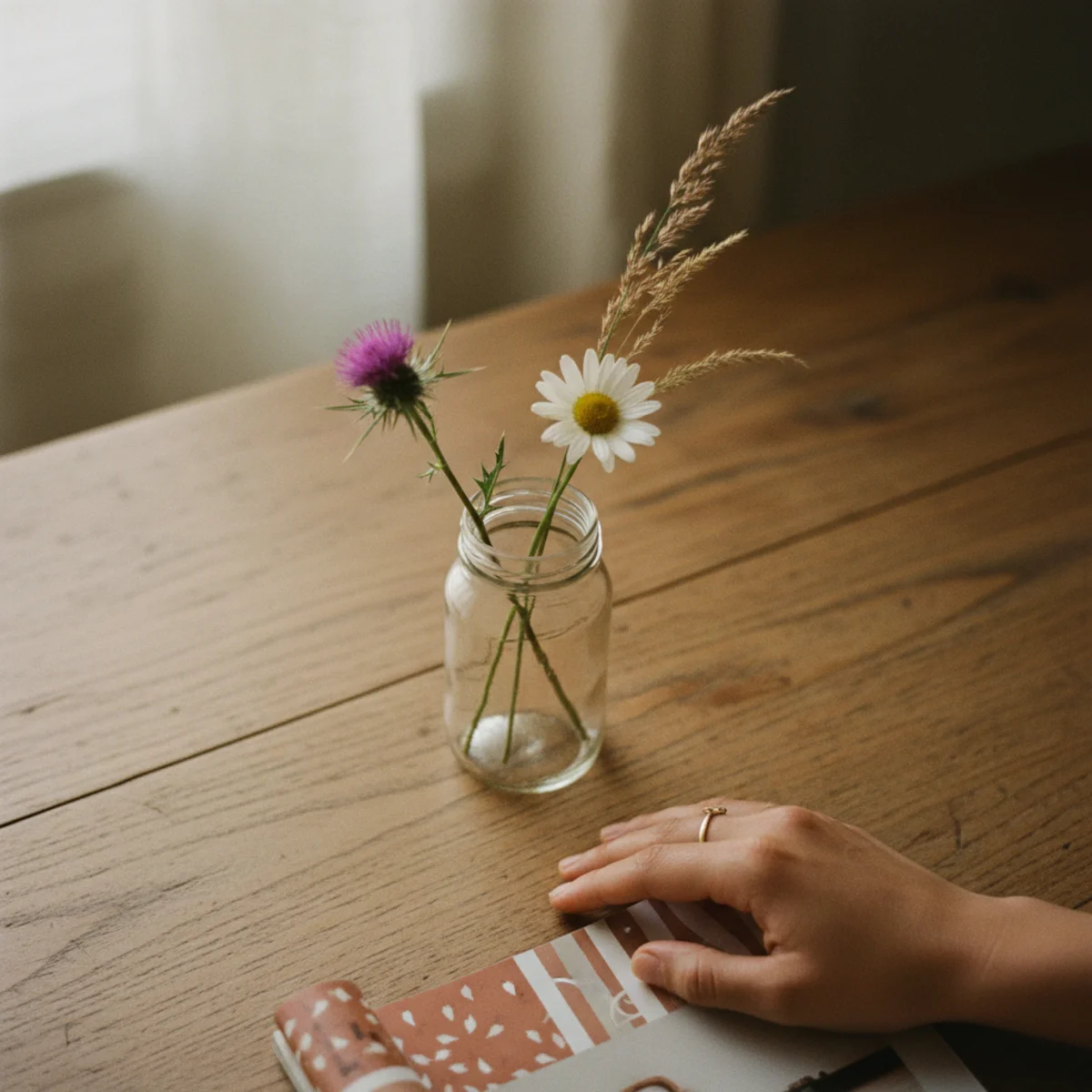
Bring in fresh or dried flowers, potted herbs, and branches. Foraged and casual reads more authentic than arranged.
- 3Layer vintage textiles and pattern
Add a faded quilt, a ticking cushion, a touch of gingham — mixing patterns sparingly in muted, sun-washed tones.
- 4Light it warm and edit
Add warm lamps and candlelight, then pull back. A few honest cottage elements read charming; every surface drowning in florals reads twee.
Quick tips
- Forage flowers and greenery; a jam jar of wildflowers reads more genuine than a florist's bouquet.
- Shop secondhand for the wood and textiles — genuine wear beats factory distressing.
- Use fewer florals than you think; restraint is the line between charming and twee.
- Keep colors muted and sun-washed, as if everything had been laundered a hundred times.
- Display useful, handmade objects — earthenware, baskets, herbs — rather than decorative-only props.
- Light it low and warm with lamps and beeswax candles.
Cottagecore by room
A worn wood table, a faded quilt over the sofa, a jar of foraged flowers, and one botanical print.
Floral or ticking bedding, a vintage quilt, dried lavender, and warm low light; see our cozy bedroom inspo.
Open shelving with mismatched earthenware, hanging dried herbs, and a windowsill herb garden.
Just a few cottage touches — a quilt, foraged flowers, worn wood — against an otherwise simple, warm backdrop.
Cottagecore lives in the worn quilt and the jar of foraged flowers, not in buying the whole look new at once.
Frequently asked questions
What is cottagecore decor?+
How do I make a room look cottagecore?+
What colors should I use for cottagecore decor?+
Where do I buy cottagecore decor?+
How is cottagecore different from farmhouse style?+
Do I need a real cottage to do cottagecore?+
Cottagecore is a feeling more than a checklist — a slower, softer life suggested through worn wood, faded textiles, and foraged flowers. Build it from the gathered and the secondhand rather than buying the whole look new, and use far fewer florals than the internet suggests. We'd start with one genuine vintage quilt and a jam jar of wildflowers; restraint and authenticity are what separate a charming cottage from a costume. The worn quilt does more than thirty new floral cushions ever could.