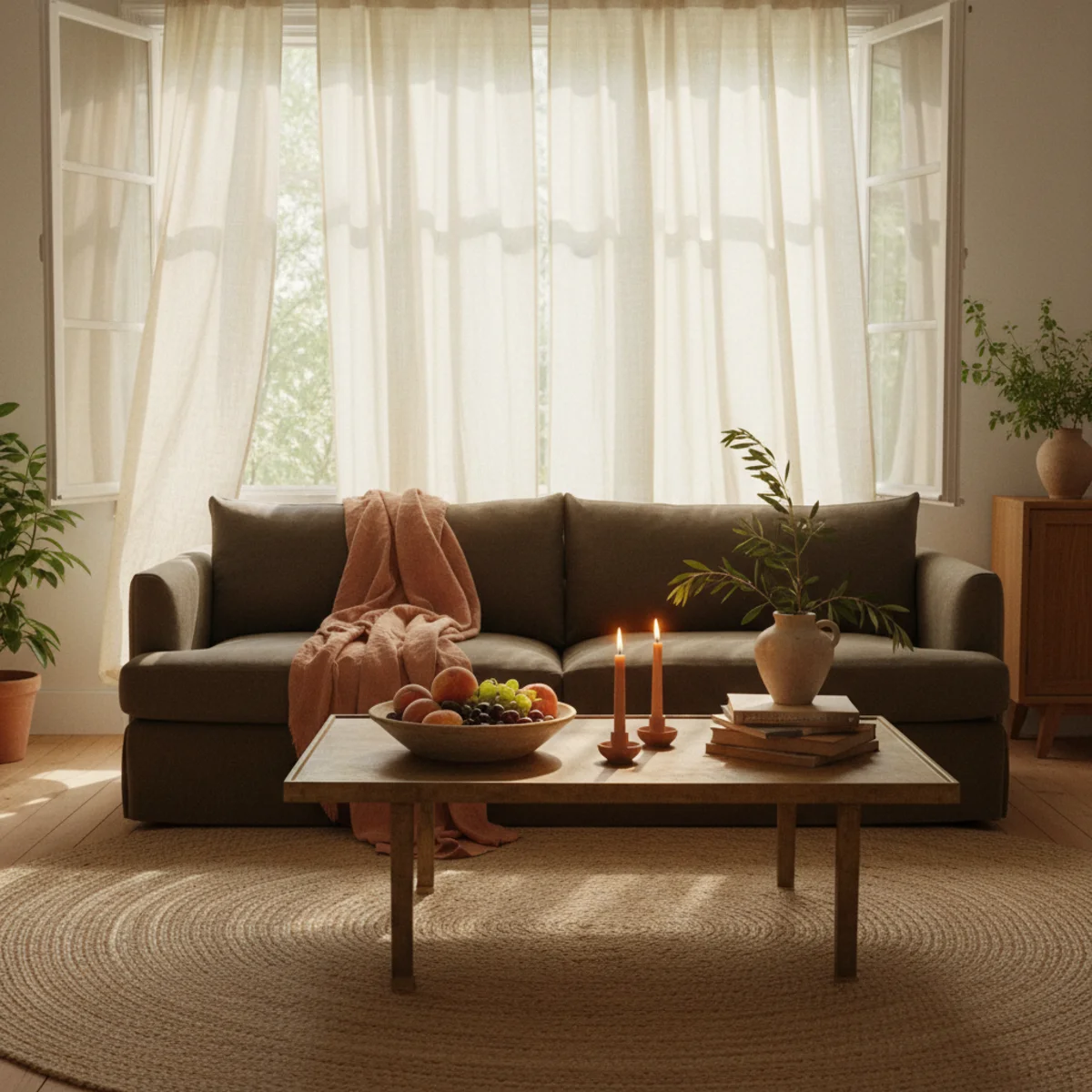
These twelve summer decor moves are tested across real warm-home seasonal transitions — the specific shifts from June through August as daylight peaks, temperatures rise, windows stay open all day, and gardens produce prolifically. Each move names the exact swap or addition, the materials, the cost (mostly $0), and the timing within summer that makes each move most impactful. The goal is summer decor that responds to the actual season rather than to a commercial summer aesthetic.
Summer is the season most people under-decorate for — spring gets the fresh flowers and lighter textiles, autumn gets the harvest-adjacent decor, winter gets the full cozy treatment. Summer is often treated as the decorating gap between spring's freshness and autumn's warmth. But summer has its own specific warmth: more natural light than any other season, gardens at peak production, outdoor-indoor life flowing freely, breezy evenings that make linen flutter. The twelve moves below express these summer-specific qualities.
By the end of this guide, you'll know exactly which moves shift your home into peak summer — swapping wool for breezy linen, laying a natural-fiber rug, opening windows and curtains, bringing in fresh garden stems, lightening the palette, adding natural fibers everywhere, switching to lighter bedding, adding a summer fruit bowl, clearing and lightening surfaces, adding greenery and houseplants, using lighter scents, and letting in maximum daylight.
WHAT'S INSIDE
- Why swapping to breezy linen specifically expresses summer rather than just 'lighter'
- Natural-fiber rugs (jute, sisal, seagrass) — the summer floor that reads naturally warm
- The summer fruit bowl that parallels the spring citrus bowl at the season's peak
- Letting in maximum daylight — the summer-specific light abundance that no other season provides
Summer decorating is mostly about air and light — lighten the layers, open the windows, and let the room breathe.
— House Beautiful [citation needed — verify before publish]
What is summer decor?
Summer decor is the seasonal lightening of a home — swapping heavy winter textiles for breezy linen and cotton, bringing in natural fibers and fresh greenery, and opening the space to air and light. It's the opposite of the cold-season layering-in: a deliberate paring-back that lets a room feel cool, airy, and relaxed through the warm months.
The warm version skips the nautical-and-bright cliché. Instead it's washed linen replacing wool, a jute or flatweave rug over the heavy one, sheer curtains or none, fresh garden stems, and a lighter palette built on the same warm neutrals. You're not redecorating for a theme — you're lightening the layers and letting the room breathe, so it feels current with the season while staying recognizably your warm, collected home.
More in Seasonal you may love
See allWhy summer refreshing matters in 2026
Seasonal decorating became a year-round rhythm, and the summer refresh — lightening up after the cozy density of the cold months — is one of the most-searched warm-weather topics. Pinterest's summer decor searches climb every June, toward natural, breezy, un-themed takes over the nautical-stripe cliché.
The honest appeal is comfort and renewal. After months of heavy layers and closed windows, lightening a room genuinely cools it and lifts the mood — and it costs almost nothing, since it's mostly swapping and storing things you already own. The 2026 version leans away from the beach-house theme toward breezy natural fibers, fresh greenery, and simply letting more air and light move through the space.
24 summer decor ideas worth trying
01Swap Wool for Breezy Linen
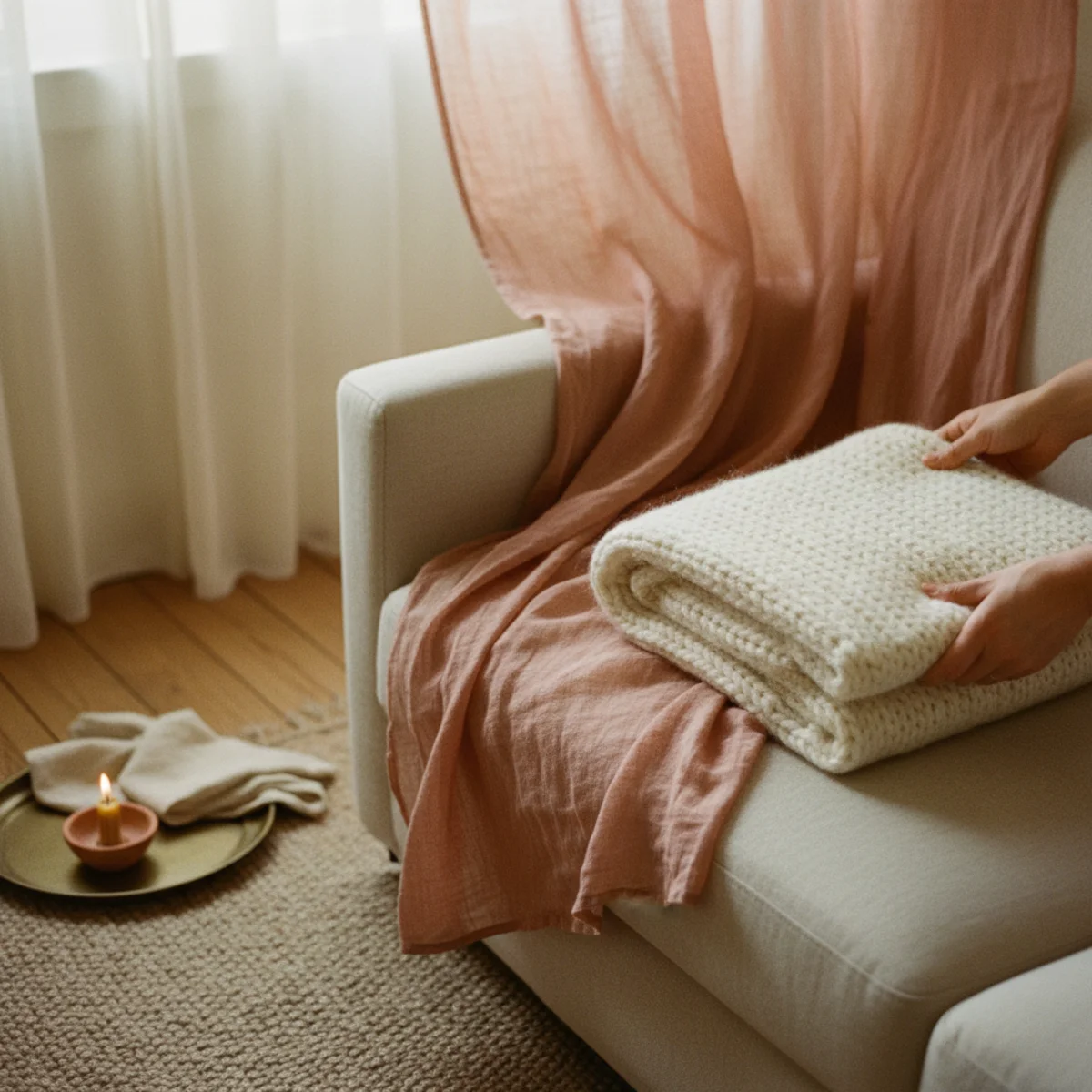
The foundational summer textile transition: remove all wool and chunky knit from visible surfaces — sofas, chairs, beds, windowsills — and replace with the lightest weight linen available. Summer linen reads fundamentally different from spring linen: thinner, more transparent, more prone to the gentle movement that makes summer textiles feel alive. Cost: $0 if you have lightweight linen stored; $40-100 if purchasing.
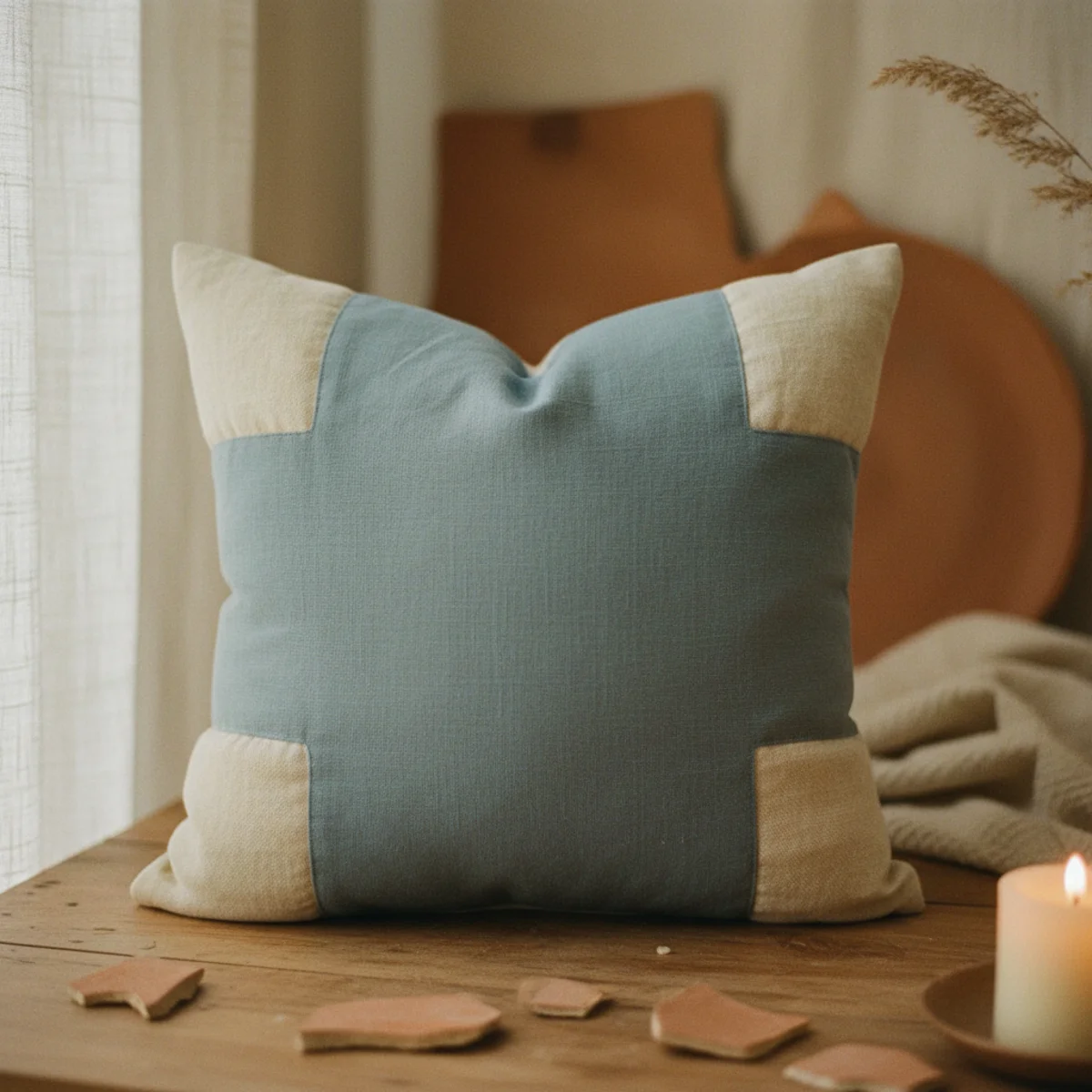
Summer textile swap specifics: REMOVE from all surfaces — chunky knit throws, wool blankets, heavy merino cushion covers, boucle and velvet cushion covers, mohair throws. Store in cedar-lined bins for autumn. ADD — LIGHTWEIGHT WASHED LINEN: the thinnest washed linen you own (summer linen weight 100-140 gsm is appropriate where spring might use 160-185 gsm). Cream, oat, soft white. COTTON WAFFLE WEAVE: the most-summer-appropriate throw texture ($40-80 from Brooklinen or Parachute). VERY LIGHT COTTON THROWS: gauze-weight cotton or musselin throws ($30-70). CUSHION COVERS: lightest-weight linen covers in cream, oat, and possibly one soft dusty blue or sage for summer palette. BREEZY QUALITY — summer textiles should have the quality of moving slightly in a breeze from an open window. Thin linen curtains that flutter, light gauze throws that lift, linen cushion covers that breathe. This quality is the difference between summer textiles and merely lighter-weight textiles. PALETTE SHIFT — move from spring's sage and soft yellow toward summer's cream, oat, and very soft bleached white with one accent of dusty blue, sage, or pale sea-green.
AFFILIATE SLOTTEXTILESLightest-weight washed linen throws and cushion covers; cotton waffle weave or gauze-weight cotton throws; cream, oat, soft white with one dusty-blue accentAdd affiliate URL when configuredWhy it works
Because summer is the season of movement — open windows all day, soft warm breezes, the house as connected to the outdoor air rather than insulated from cold. Lightweight linen specifically responds to air movement where wool and chunky knit are inert regardless of air conditions. A linen throw that shifts slightly in a window breeze expresses summer's fundamental quality (warm moving air) in a way that heavier textiles cannot. The sensory experience of lightweight linen in summer — against skin, moving in air, cool to the touch — is one of summer's defining physical pleasures.
Pro tip — Store spring linen (165-185 gsm) and pull out the lightest-weight linen you own for summer — the 20-30% weight difference between spring and summer linen reads noticeably. If you only have one weight of linen, summer is a good time to invest in one or two lightweight gauze-weight linen pieces specifically for the warmest months.
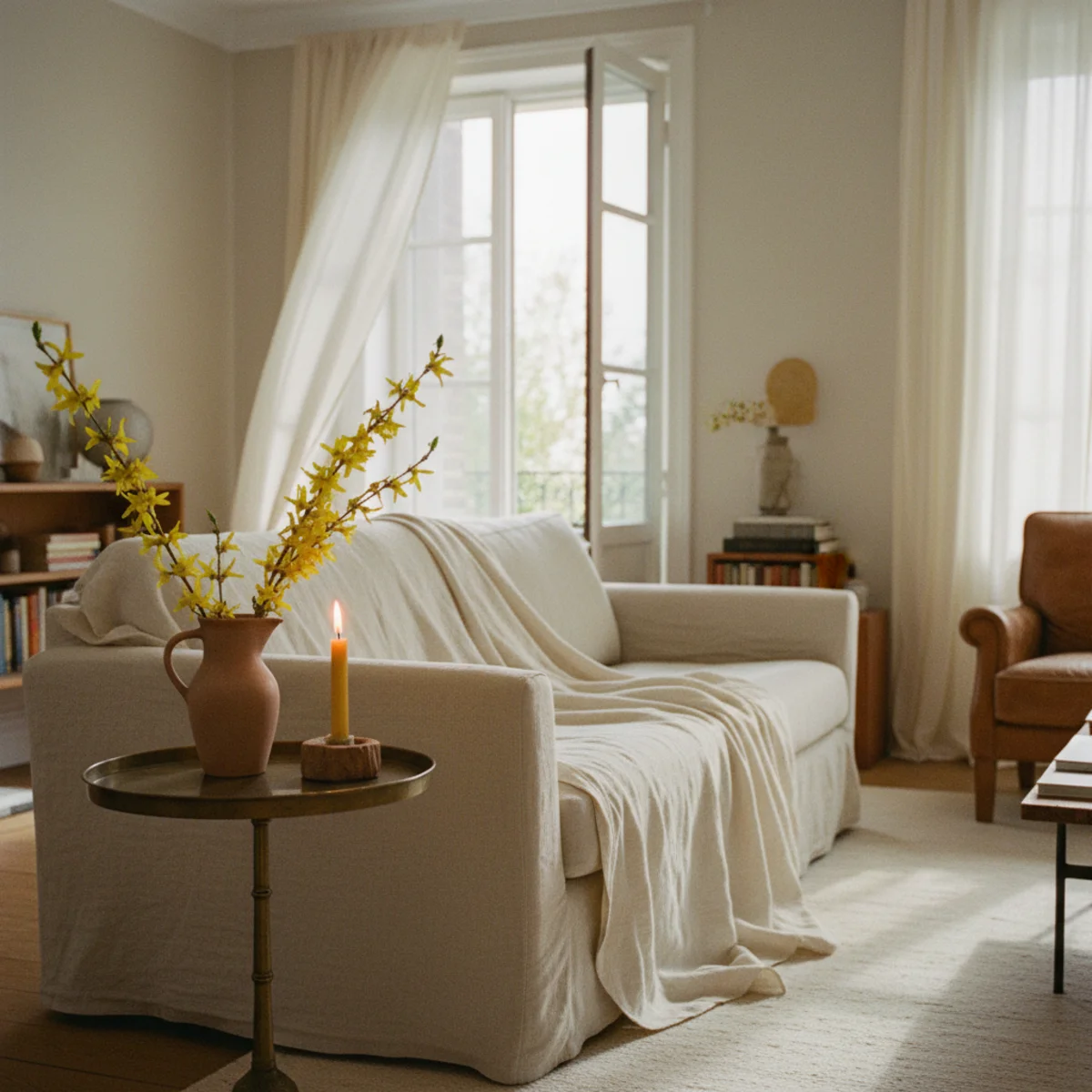
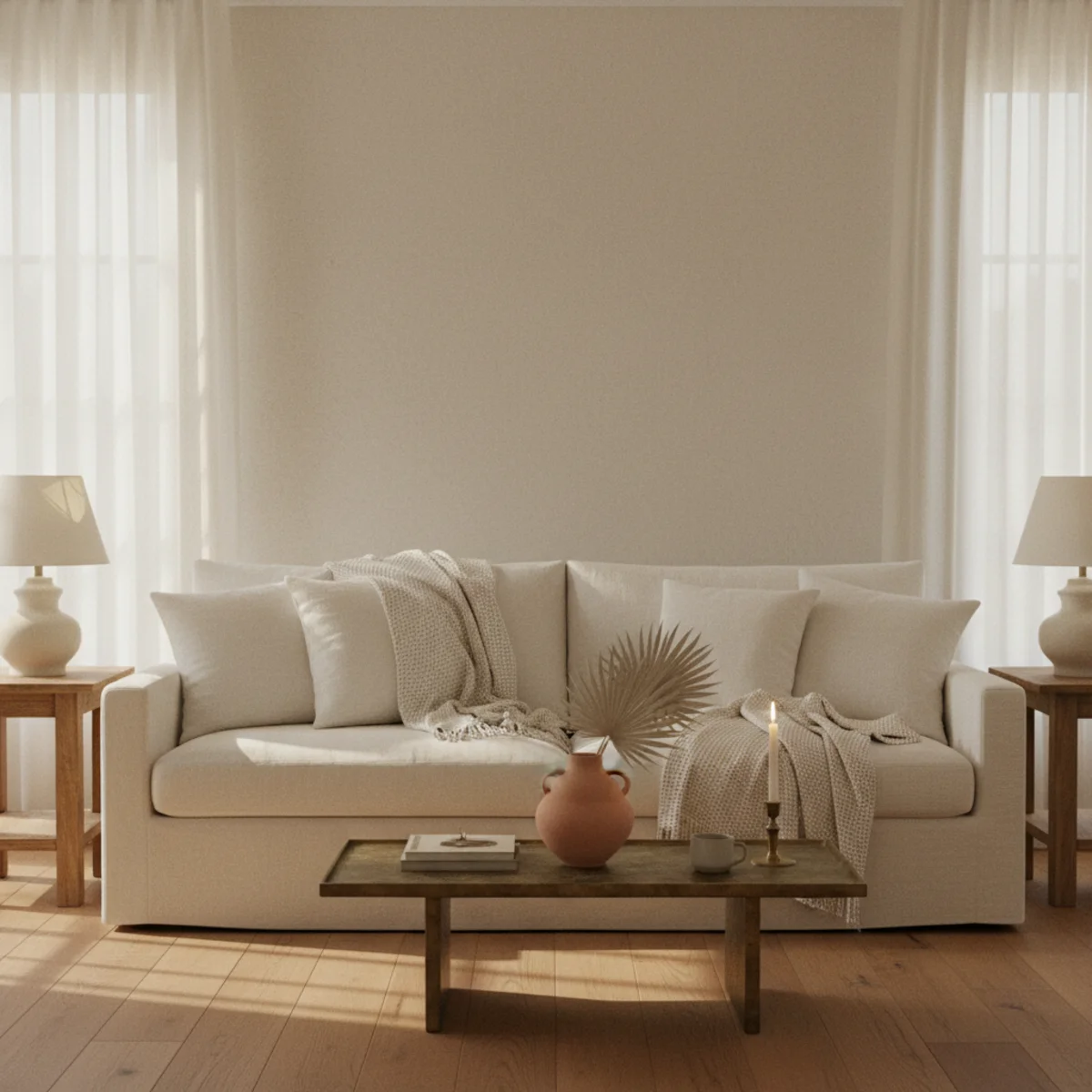
Lightweight linen throw, cream cushion covers, window breeze lifting the curtain — the breezy quality that specifically expresses summer. See also: best-linen-bedding
02Lay a Natural-Fiber Rug
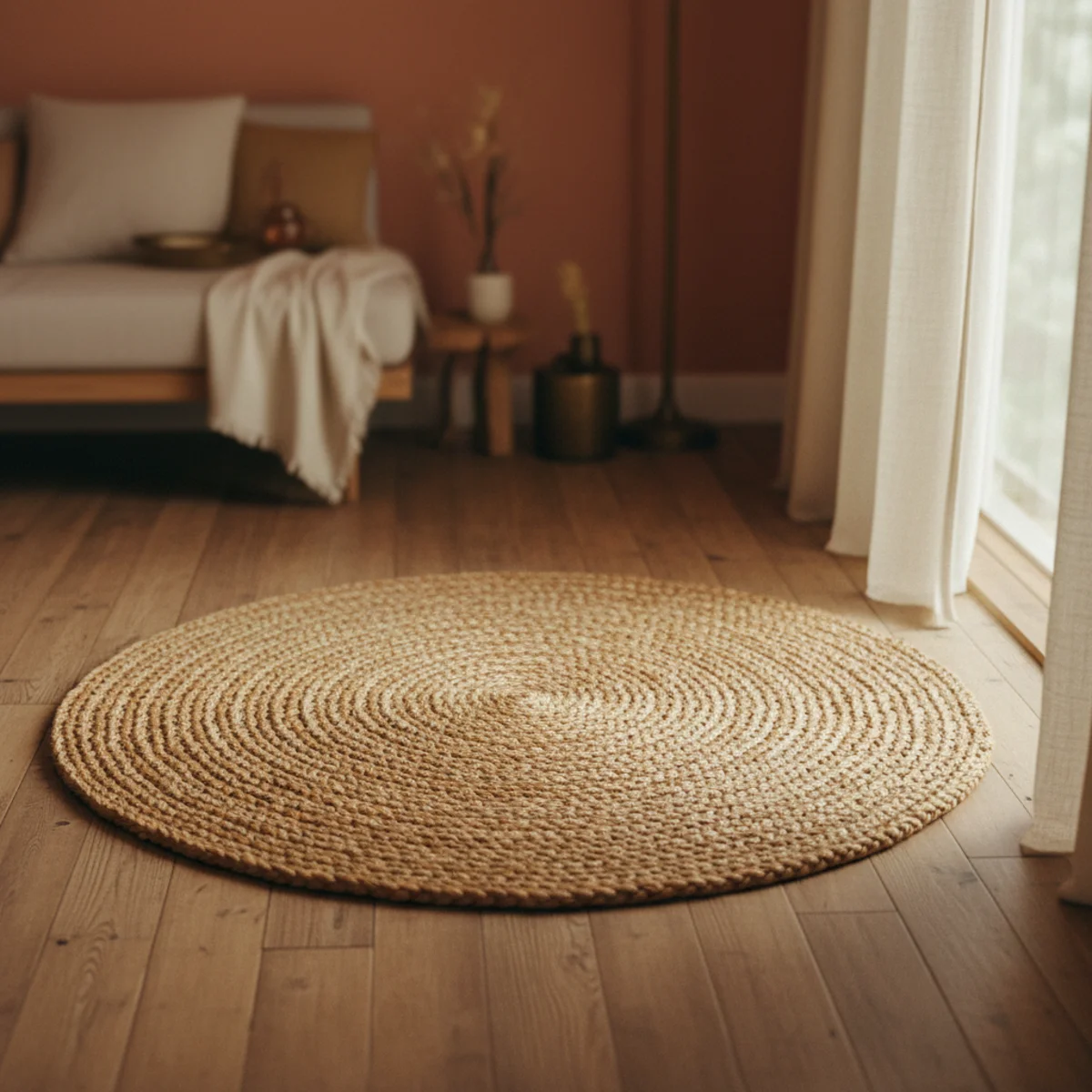
Summer is the season for natural-fiber rugs — jute, sisal, seagrass, coir, or flat-weave cotton — either replacing or layering over the winter area rug (which was likely rolled up in spring). Natural fiber rugs read as summer because their warm earth tones, low pile, and organic texture match the season's quality: more open, less insulated, more directly connected to natural material.
Summer natural-fiber rug specifics: JUTE RUGS — warm honey-tan color, soft for bare feet, durable, flat-weave or braided. $80-250 for 5x8 from IKEA, HomeGoods, or Wayfair. Most summer-appropriate of natural fibers. SISAL RUGS — cooler texture, slightly coarser than jute, excellent durability. $100-300 for 5x8. More formal appearance than jute. SEAGRASS RUGS — cool smooth texture, waterproof, excellent coastal areas. $100-300 for 5x8. FLAT-WEAVE COTTON RUGS — washable, lighter weight, lower cost. $60-200 for 5x8 from Target or Rugs USA. COIR RUGS — rough-textured coconut fiber, best for entryways and outdoor-adjacent spaces. $60-150. LAYERING — natural-fiber flat-weave over bare wood floor, OR natural-fiber rug as base layer with smaller vintage kilim or wool rug layered on top for the summer version of rug layering. POSITIONING — same placement as the winter/spring area rug it's replacing; the natural-fiber version occupies the same footprint but reads lighter and more summer-appropriate. BARE WOOD ALTERNATIVE — warm wood floors with no rug is the most summer-light floor option; entirely appropriate from June through August in most climates.
AFFILIATE SLOTFLOORJute ($80-250), sisal ($100-300), seagrass ($100-300), or flat-weave cotton ($60-200) rug for 5x8; OR expose warm wood floor for maximum summer lightAdd affiliate URL when configuredWhy it works
Because jute, sisal, and seagrass are natural fibers that come from plant sources — grasses and reeds — rather than from animals (wool) or synthetic processes. Their organic golden-tan colors and flat-weave textures match summer's quality of open, warm, directly-natural. They also breathe better than pile rugs under bare summer feet, have lower pile that reads as more open and less insulated, and age naturally across the season with use (developing slight softening and character).
Pro tip — Add rug pads under all natural-fiber rugs — jute especially tends to slip on wood floors without a pad. Rug pads at $20-60 for a 5x8 extend the rug's life (prevents back-of-rug abrasion from floor contact) and significantly improve safety on hard-surface floors.
Honey-tan jute rug with warm wood at edges — the natural-fiber floor that reads summer in material and color. See also: cozy-living-room-ideas
03Open the Windows and Curtains
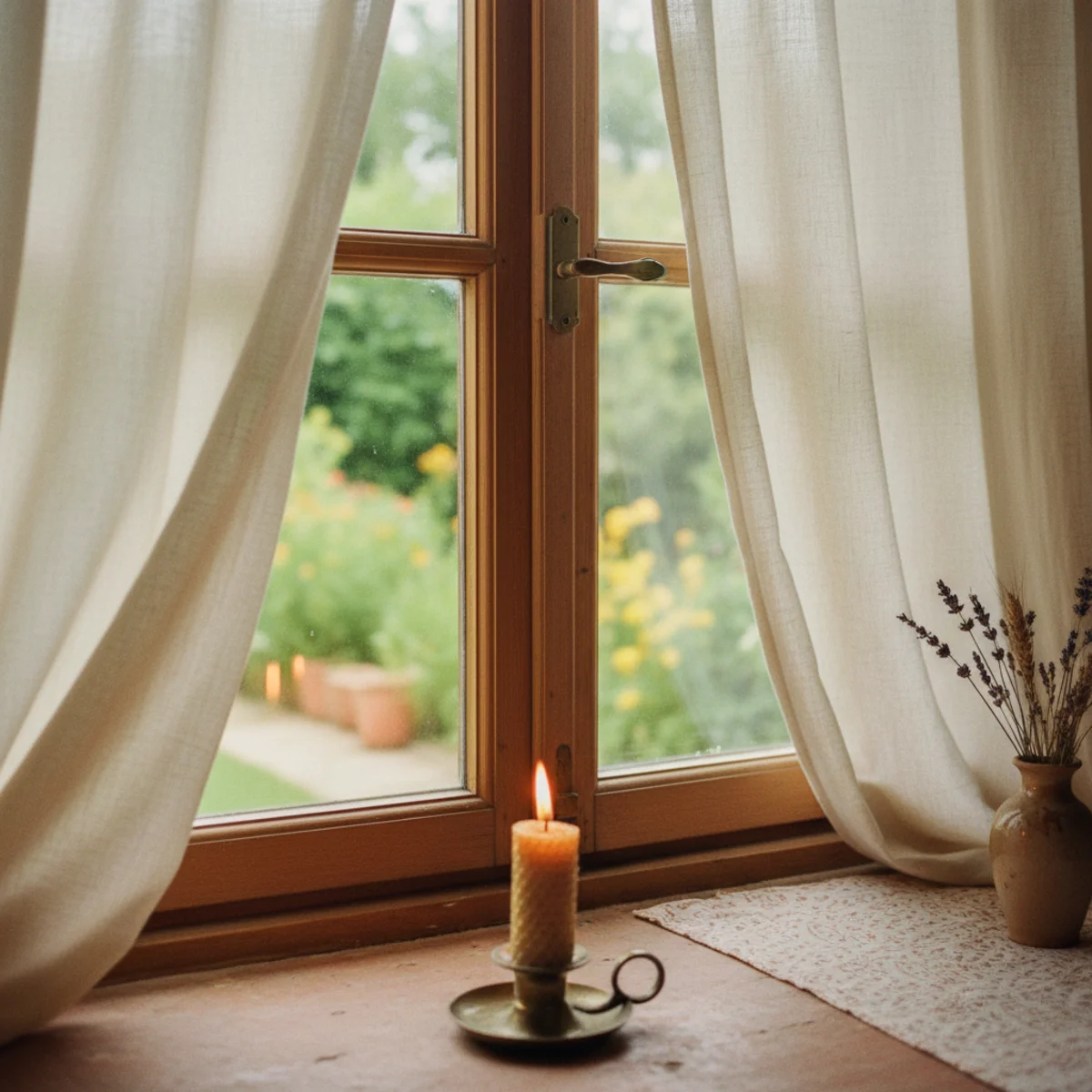
Summer's defining decor move: open all windows from early morning through evening (closing during the hottest part of the afternoon in very hot climates to keep cool, then reopening for the evening breeze). Pull all curtains fully open or remove them entirely. Summer daylight is the most-abundant natural light of the year; maximizing it is the season's primary decor principle.
Summer window protocol: TIMING — open all windows at sunrise (or when you wake) to capture morning coolness. Close windows from roughly noon to 4pm in hot climates to prevent heat buildup. Reopen from late afternoon through evening to capture cooling evening air. In mild climates: windows open all day every day. CURTAIN REMOVAL — for rooms where privacy is not required and summer light is abundant, removing curtains entirely (or storing heavy winter curtains) is appropriate from June through August. The bare window with maximum light is the most-summer-expressive option. SHEER PANEL SWAPS — if privacy requires curtains, swap from heavy winter panels (velvet, thick linen) to sheer linen or cotton voile panels ($30-80 per panel). The sheer panels filter harsh midday sun while allowing light and movement. WINDOW CLEANING — wash windows in June for maximum light transmission through summer months. The 20-30% light increase from clean versus winter-dusty windows is measurable. MORNING LIGHT PROTOCOL — the best summer morning starts with opening all windows and curtains at first opportunity and standing for a moment with the summer morning air flowing in. This is not a styling technique but a seasonal practice.
AFFILIATE SLOTTRANSITIONOpen all windows morning through evening; remove or store heavy curtains; swap to sheer linen panels; clean windows in June; cross-ventilate opposite sidesAdd affiliate URL when configuredWhy it works
Because summer is the season when indoor-outdoor life flows most freely — the season's fundamental quality is connection between inside and outside, warm air moving through the home, the garden audible (birds, insects, garden sounds) from inside. The open window is the physical expression of summer's quality; the closed curtain is the physical expression of winter's insulation. In summer, the home opens outward; in winter it closes inward. Maximum window opening is not a styling move but the seasonal practice that summer decor is built around.
Pro tip — Cross-ventilate by opening windows on opposite sides of the house simultaneously — the cross-breeze produced by opposite-side window openings moves air through the whole house rather than creating a stagnant interior. The cross-ventilation is both more cooling (moves air actively rather than passively) and more sensory-summer (you feel the breeze moving through the room rather than just seeing an open window).
Sheer linen panels catching the summer breeze — maximum light and air expressing summer's fundamental outdoor-indoor quality. See also: spring-decor-ideas
04Bring In Fresh Garden Stems
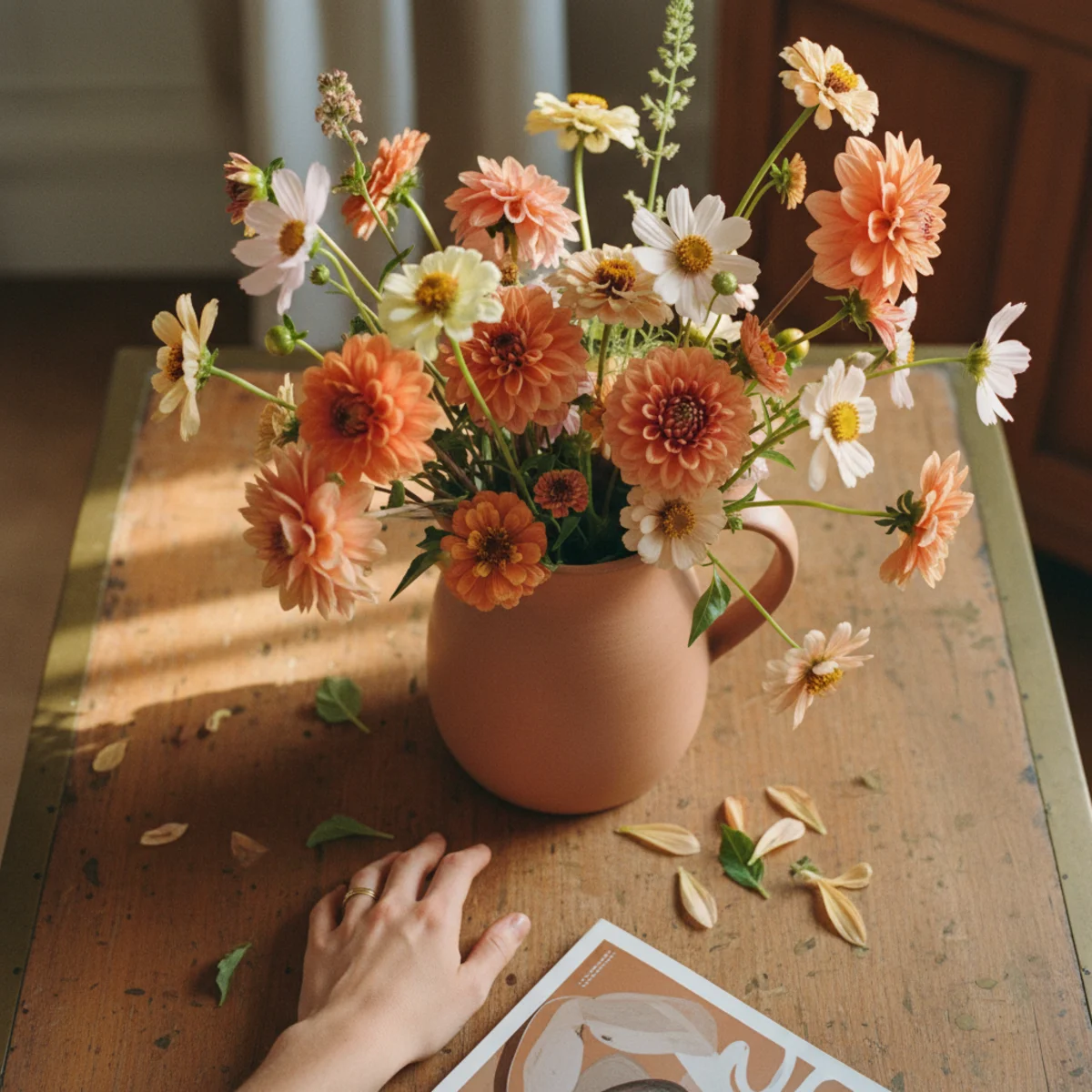
Summer is peak cutting-garden season — dahlias, zinnias, sunflowers, garden roses, cosmos, rudbeckia, echinops, lisianthus, celosia. Fresh garden stems arranged simply in glass jars, ceramic pitchers, or vintage bottles throughout the house are summer decor's most-authentic expression at near-zero cost. The garden produces; the house receives.
Summer garden stem sourcing and arrangement: PEAK SUMMER FLOWERS (June-August) — dahlias ($0 if growing own, $10-20 per bunch from farmers market), zinnias ($0 if growing own, $8-12 per bunch), garden roses ($0 if growing own, $10-20 per bunch), sunflowers (all heights, $5-15 per bunch), cosmos ($0 if growing own, $5-10 per bunch), rudbeckia/black-eyed Susan (forage from fields), echinops globe thistle ($8-15 per bunch), celosia ($10-20 per bunch). FARMERS MARKET ADVANTAGE — mid-summer farmers markets have the widest flower variety and best prices of the year. July and August are peak season for most cut flowers; a $20-30 farmers market visit can supply the whole house with varied flowers for one to two weeks. ARRANGEMENT STYLE — summer arrangements should be abundant and slightly overflowing rather than precisely arranged. Mixed bunches of 3-5 varieties tumbling from a wide ceramic pitcher. Single-variety dahlias in a glass bottle. Sunflower stems in a tall ceramic. DISTRIBUTION — throughout the house at summer's abundance. Not just one arrangement. Kitchen, dining table, bedside, living room, bathroom if space allows. REFRESHING — change water every 2-3 days, re-cut stems on angle, remove spent blooms. Most summer flowers last 5-10 days; the garden or market refreshes weekly.
AFFILIATE SLOTBOTANICALDahlias, zinnias, garden roses, sunflowers, cosmos from cutting garden or farmers market ($20-30 weekly); abundant distribution throughout the houseAdd affiliate URL when configuredWhy it works
Because summer specifically is when the garden gives generously — the peak of the annual cutting cycle, the months when a garden bed can produce 20-30 stems per week. The summer home with fresh flowers everywhere (kitchen, dining, bedroom, living room) is expressing the garden's summer peak; the summer home with occasional or no fresh flowers is leaving the season's principal gift uncollected. Summer fresh flowers are specifically summer's contribution to indoor life; no other season provides this abundance.
Pro tip — Plant a 6x4 foot cutting garden specifically for summer indoor use — zinnias (direct sow in late May), dahlias (start from tubers in April), and sunflowers (direct sow in May-June) produce prolifically from late June through October. The three crops together provide cutting material for every week of summer and autumn at effectively zero ongoing cost after the initial $20-40 in seeds and tubers.
Mixed dahlias, zinnias, and cosmos overflowing a ceramic pitcher — the garden's summer peak received into the house. See also: cottagecore-decor
05Lighten the Palette
Summer palette within the warm home family: the lightest warm tones — bleached-linen cream, warm white, the softest oat, one accent of dusty blue or pale sea-green, natural wood. Move away from autumn's deep terracotta and rust toward the washed-out versions of these colors. Cost: $0 through textile and object swaps; $20-60 if purchasing a couple of new cushion covers.
Summer palette specifics: DOMINANT SUMMER TONES — warm bleached white, cream at its palest, warm oat almost white. The warmth stays but the saturation drops to its minimum. ACCENT ADDITIONS — dusty blue (sea and sky reference), pale sage (garden foliage at peak), very pale warm yellow (sun bleached). One of these at low saturation is sufficient. WHAT CHANGES from spring — spring palette is warming (moving toward cream and oat from winter's deeper tones); summer palette is peak-lightened (the lightest version of warm tones). Spring feels like brightening; summer feels like peak light. OBJECT SWAPS — move any darker-toned ceramics or decor objects to storage for summer; bring forward the lightest and most bleached objects. Pale ceramics, light wood objects, clear glass. SUMMER PALETTE IS TEMPORARY — the same home that moves toward cream and pale oat in summer will welcome back terracotta and rust in autumn. The seasonal lightening is a rotation not a replacement. THE BLEACHED QUALITY — summer palette has a slightly bleached look as if the colors have been gently faded by months of direct summer sunlight. This is authentically what summer does to textiles and objects over years of seasonal placement.
AFFILIATE SLOTPALETTEWarmest palest tones: bleached cream, warm white, pale oat; one accent dusty blue or pale sage; remove darker terracotta and rust objects to storageAdd affiliate URL when configuredWhy it works
Because spring lightening is about arrival (colors brightening as the season arrives) and summer is about abundance (the peak of light having done its bleaching work). Spring pale reads as fresh; summer pale reads as warm-and-bleached. The emotional register is different: spring pale is hopeful, summer pale is satisfied. The decor difference is subtle but real — spring cream has a slightly cool freshness; summer cream has a warm sun-bleached quality. The same cream-toned textile reads slightly differently in April versus July because the light that falls on it is different.
Pro tip — Take advantage of the abundant summer light to identify which objects in the home look best in summer conditions — some objects that look warm and rich in winter under lamp light look dusty or dated in summer's bright direct light. Use summer's honest bright light for an audit of objects and textiles, removing what summer exposes as wrong and keeping what summer flatters.
Bleached cream, pale oat, one dusty blue accent — summer's palette at peak-light saturation minimum. See also: cream-decor-warm-white
06Add Natural Fibers Everywhere
Summer amplifies the natural-fiber principle that applies year-round in warm homes — in summer, every possible surface should be natural fiber rather than synthetic. Woven seagrass baskets replacing plastic storage, rattan and bamboo accents, linen and cotton replacing any remaining synthetic upholstery, natural-fiber trays and placemats. The natural-fiber emphasis produces the specific summer sensory quality of warmth without heaviness.
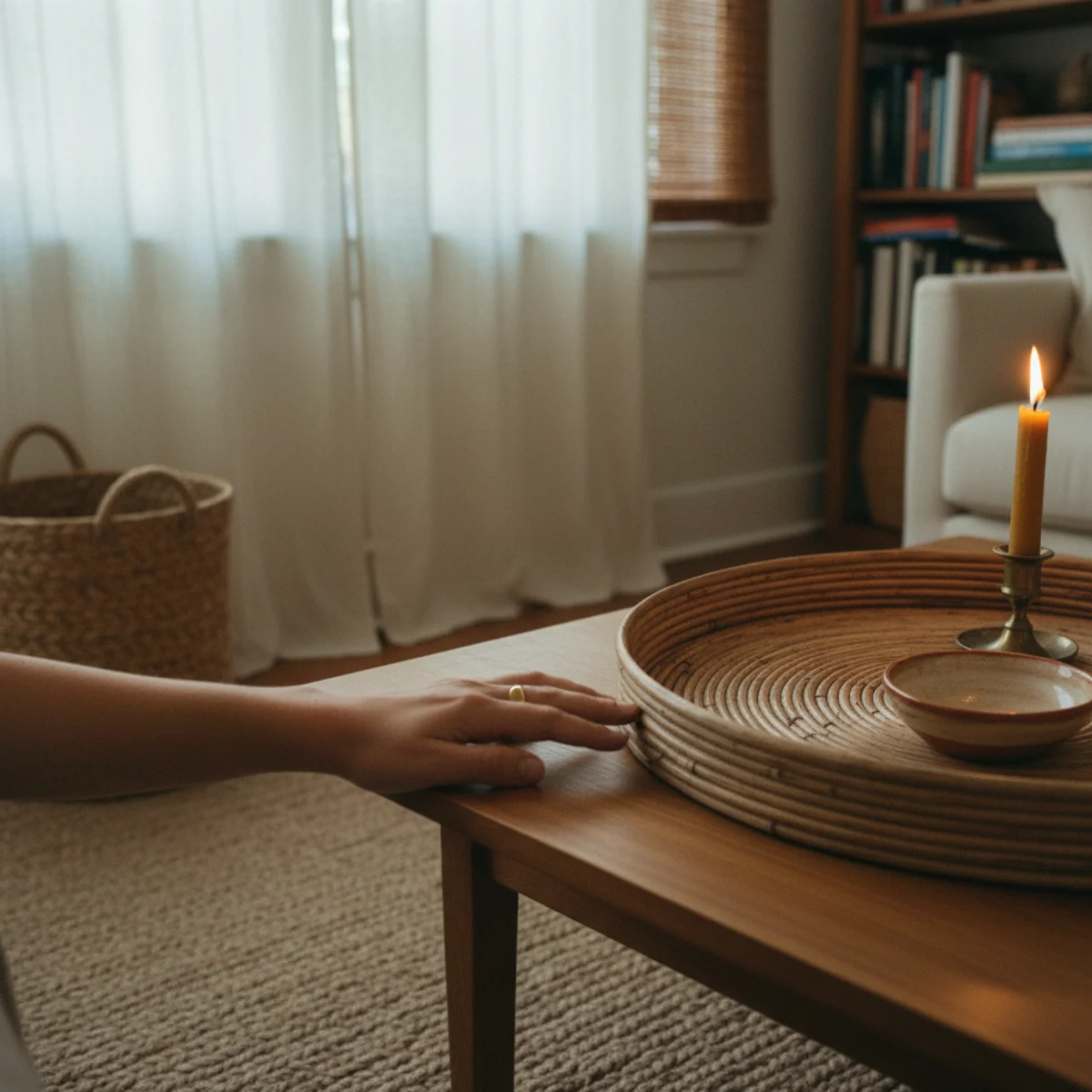
Summer natural-fiber expansion: BASKETS AND STORAGE — replace plastic or metal storage with woven jute, seagrass, or rattan baskets ($15-60 each from HomeGoods, IKEA, or import stores). Use for blanket storage (the winter wool stored in a seagrass basket reads more summer than in the plastic bin). RATTAN AND BAMBOO ACCENTS — a rattan tray on the coffee table ($20-60), bamboo blinds replacing heavy curtains ($40-120 per window), a small rattan side table in summer-lit reading nooks ($40-100). PLACEMATS AND TABLE LINENS — woven seagrass or jute placemats ($5-15 each) for summer dining, natural-fiber table runners. LAMP SHADES — a woven or rattan lamp shade (replacing a solid fabric shade for summer) produces dappled warm light in summer rooms. OUTDOOR-ADJACENT PIECES — the summer-specific trend of bringing outdoor-rated pieces inside (rattan outdoor chairs used as indoor accent seating in summer, sisal outdoor rug used in an indoor sunroom) further blurs indoor-outdoor distinction. THE TEXTURE PRINCIPLE — natural fibers at every surface plane (floor, table, wall, storage, window) create the room-wide natural-material quality that makes summer rooms feel properly warm-and-fresh simultaneously.
AFFILIATE SLOTMATERIALSWoven jute/seagrass/rattan baskets for storage; rattan tray + bamboo blinds + natural-fiber placemats; outdoor-adjacent rattan pieces moved inside for summerAdd affiliate URL when configuredWhy it works
Because natural fibers breathe in a way that synthetic materials don't — physically (they regulate temperature and humidity better than synthetics) and visually (their woven textures have an organic quality that synthetic materials approximate but don't achieve). In summer when the house is more open to outdoor air and the textiles are lightest-weight, the natural-fiber quality becomes most perceptible. A room full of natural-fiber textures in summer feels genuinely different from a synthetics-heavy room at the same temperature.
Pro tip — Buy seagrass baskets specifically in late spring (April-May) before summer demand increases prices — HomeGoods, TJ Maxx, and Cost Plus World Market typically stock their heaviest natural-fiber basket inventory in early spring and discount remaining stock in summer. The pre-season purchase produces better selection and better prices.
Jute rug, seagrass basket, rattan tray, bamboo blind — natural fibers at every surface plane for the summer sensory quality. See also: warm-minimalism
07Switch to a Light Bedding Layer
Summer bedding should be the lightest of the year — typically a single lightweight linen sheet (top sheet only, no duvet) or a very lightweight cotton coverlet as the sole primary layer. In the peak summer months, warmth from bedding is the enemy rather than the goal; the aim is minimum bedding coverage with maximum breathability.
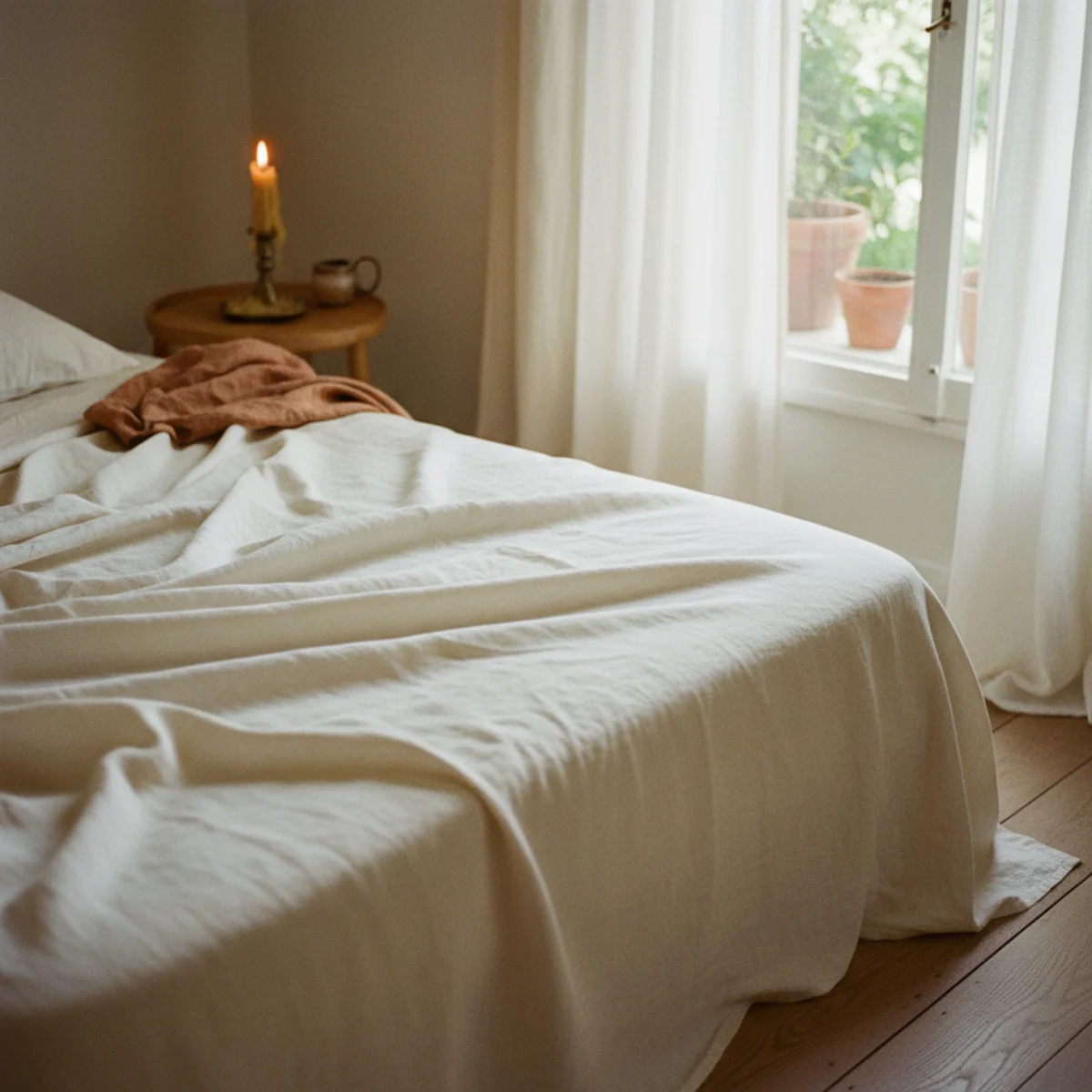
Summer bedding specifics: PEAK SUMMER (July-August in temperate climates) — a single top linen sheet as the primary layer. The linen's temperature-regulating properties (cool to touch, breathable, natural moisture-wicking) make it the most-appropriate fabric for hot sleeping. No duvet, no blanket, potentially no top sheet in the very hottest weeks. EARLY AND LATE SUMMER (June, September) — lightweight cotton or linen coverlet as the primary layer. $80-200 from Target, Pottery Barn, or Garnet Hill. SUMMER FABRIC HIERARCHY: linen top sheet (most breathable, most expensive at $60-120) → cotton percale sheet (very breathable, $40-100) → cotton waffle weave ($40-80) → lightweight cotton coverlet ($80-200). SLEEPING TEMPERATURE MANAGEMENT — beyond bedding, summer sleeping temperature is managed through open windows, ceiling fans, and room ventilation. The bedding's job is minimum coverage not warmth. SPARE THROW AT FOOT — a single lightweight cotton throw folded at the foot of the bed for the occasional cool summer night. SUMMER BEDDING PALETTE — bleached white or palest cream linen top sheet + pale oat or cream coverlet if using. The summer bed reads as light, airy, and almost unadorned.
AFFILIATE SLOTBEDROOMSingle linen top sheet alone for peak summer; lightweight cotton/linen coverlet for early/late summer; spare cotton throw at foot for cool nightsAdd affiliate URL when configuredWhy it works
Because summer sleeping requires maximum breathability and minimum thermal retention — the exact opposite of winter sleeping requirements. The bedroom in summer should read as if the bed is barely covered, in the same way that the room is barely closed: maximum openness to air. The heavy layered winter bed that expresses cozy warmth reads as wrong in July. The single linen sheet barely covering the mattress reads as summer's specific version of bedroom comfort.
Pro tip — Wash summer linen top sheets before the first hot night of the year — clean linen sheets start the summer season with the soft slightly-wrinkled character that develops through washing, and the clean-fresh-linen smell contributes to the summer bedroom's sensory quality.
Single pale linen top sheet as the sole summer layer — minimum coverage, maximum breathability, summer sleeping at its simplest. See also: best-linen-bedding
08Add a Bowl of Summer Fruit
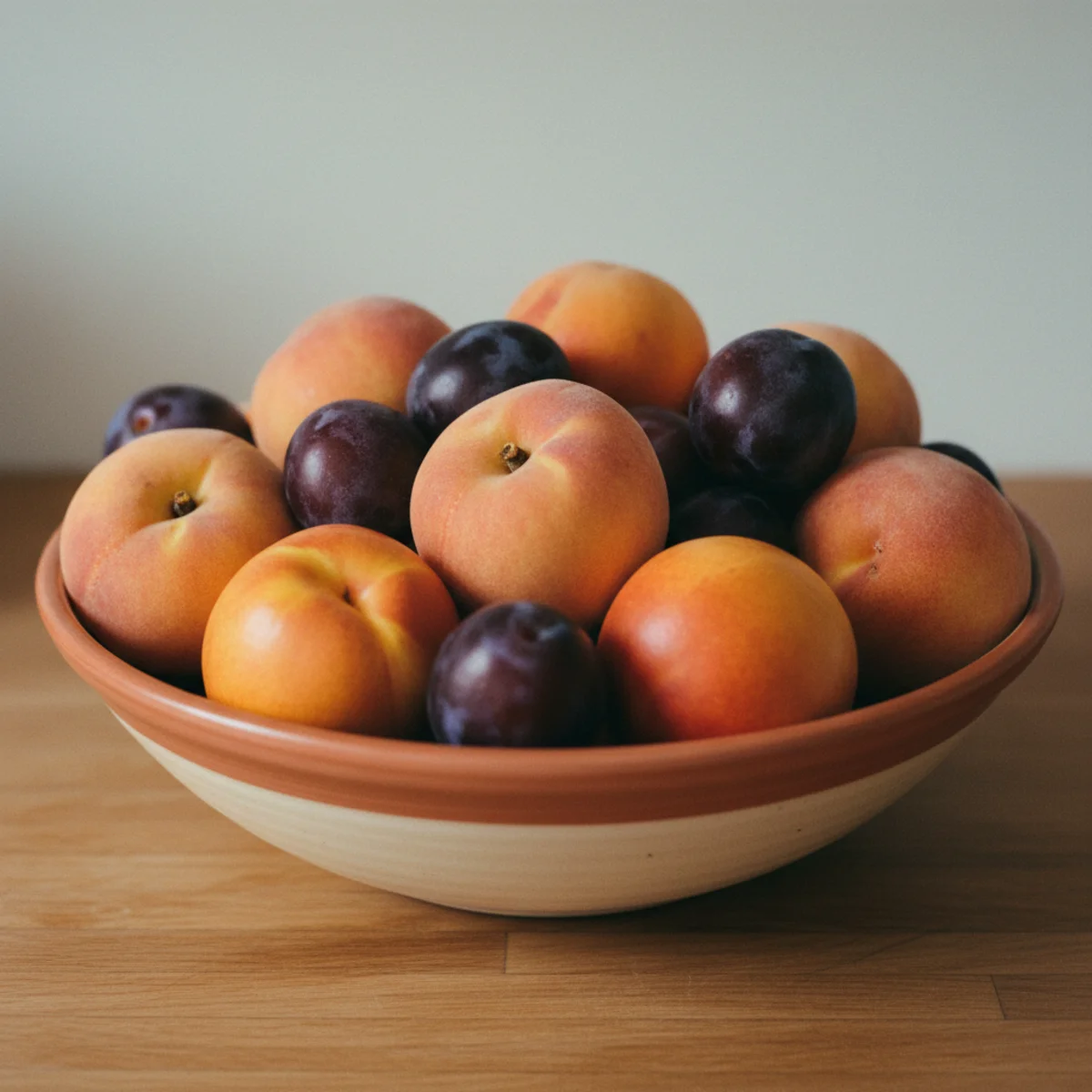
The summer equivalent of the spring citrus bowl: a wide bowl of peak summer fruit on the kitchen counter or dining table — peaches and plums in July, nectarines and figs in August, tomatoes from the garden, blackberries and raspberries in midsummer. The summer fruit bowl parallels the spring citrus bowl in function: fresh seasonal produce as daily living display, refreshed weekly as the season progresses.
Summer fruit bowl specifics: JULY BOWL — white peaches, yellow peaches, plums (black, red, yellow), nectarines. The stone fruit selection at peak July provides the richest and most-fragrant summer bowl. $5-15 per week at the farmers market or grocery. AUGUST BOWL — figs (green and black), late-season peaches, early apples, tomatoes heirloom varieties in varied colors (if treating as decoration). $8-15 per week. MIXED SEASONAL — blackberries, raspberries in small bowls beside the primary fruit bowl (too small and fragile for the wide bowl but beautiful in a smaller ceramic). VESSEL — wide wooden or ceramic bowl 10-16 inches in diameter. The wider shallower bowl allows fruit to be arranged in single layer (visible, accessible, beautiful). FRAGRANCE — ripe stone fruit has one of summer's most-distinctive fragrances; the bowl on a warm kitchen counter in summer is both visual and olfactory. TOMATO DISPLAY — if growing garden tomatoes, a small ceramic bowl of heirloom tomatoes in varied colors (deep red, orange, yellow, striped green) beside the main fruit bowl adds garden productivity display that parallels the flower vases.
AFFILIATE SLOTFRESHWide bowl (10-16 inch ceramic or wood) with peak stone fruit: peaches/plums July, figs/nectarines August; room temperature not refrigerated; $5-15 weekly refreshAdd affiliate URL when configuredWhy it works
Because peak stone fruit — peaches, plums, figs — is available for a limited summer window and has specific fragrance, color, and form that no other season provides. A bowl of peaches in July is specifically July; no other arrangement of objects conveys the same specificity. The fruit bowl is the olfactory calendar: the house that smells of ripe peaches on a warm July afternoon is unambiguously in midsummer. The aesthetic and sensory functions compound — the visual warmth of the peach and plum colors plus the fragrance in a warm kitchen is summer distilled.
Pro tip — Keep the summer fruit bowl at room temperature rather than refrigerating displayed fruit — stone fruit flavors and fragrances diminish significantly below 50°F and disappear almost entirely when refrigerated. The displayed room-temperature fruit both looks and smells better. Replace any fruit that becomes overripe before display rather than letting the bowl fill with refrigerator-cold fruit.
Yellow peaches, plums, and nectarines in a wide wooden bowl — summer's olfactory calendar in the kitchen. See also: cozy-kitchen-ideas
09Clear and Lighten Surfaces
Summer surface clearing: the second seasonal surface edit of the year (after spring's 30-40% clearance). Summer goes even further — surfaces in summer should be at their most open and minimal. A single fresh-cut stem in a glass bottle on the windowsill, a single small plant on the shelf, the fruit bowl on the kitchen counter. Everything that accumulated since spring's clear needs to be assessed again.
Summer surface edit specifics: REMOVE — any remaining winter or spring seasonal objects that weren't cleared in spring, any dark or heavy decorative objects that don't read as summer (deep terracotta vessels, dark candle clusters, heavy ceramic objects in dark tones). KEEP — the very simplest objects: clear glass vases with summer stems, pale ceramics in neutral tones, natural wood objects, one small plant per surface. THE SUMMER STANDARD — each surface should have at most 2-3 objects in summer, down from spring's 3-4. MANTEL — a single large stem arrangement and one or two pale ceramics. No candle cluster in summer (the fireplace is not lit; the mantel can be lighter). COFFEE TABLE — a small plant, a natural-fiber tray with a single glass candle, a single book. KITCHEN COUNTERS — fruit bowl, small herb plant, perhaps one ceramic vessel. Everything else stored or cleared. VISUAL EFFECT — summer rooms look their best with more surface visible and fewer objects. The abundant natural light flatters bare surfaces more than accumulated objects.
AFFILIATE SLOTEDITSecond seasonal clear: 2-3 objects per surface maximum; remove dark/heavy decorative objects; keep pale ceramics, clear glass, small plants, natural woodAdd affiliate URL when configuredWhy it works
Because summer has the most-abundant natural light of any season — and abundant natural light exposes accumulated objects as cluttered in a way that winter's dim lighting obscures. Summer surfaces seen in July bright light look different from the same surfaces in January lamp light. The honest summer assessment with all curtains open and windows wide often reveals that objects accumulated since the last spring clear look wrong in full summer light. The second clear is what summer-specific surfaces need.
Pro tip — Use summer's surface clearing as an opportunity to deep-clean the cleared surfaces — the objects that were sitting on shelves and tables all winter and spring often reveal dust buildup underneath. Clean surfaces that are then sparsely re-set look significantly more open and summer-appropriate than busy surfaces cleaned around objects.
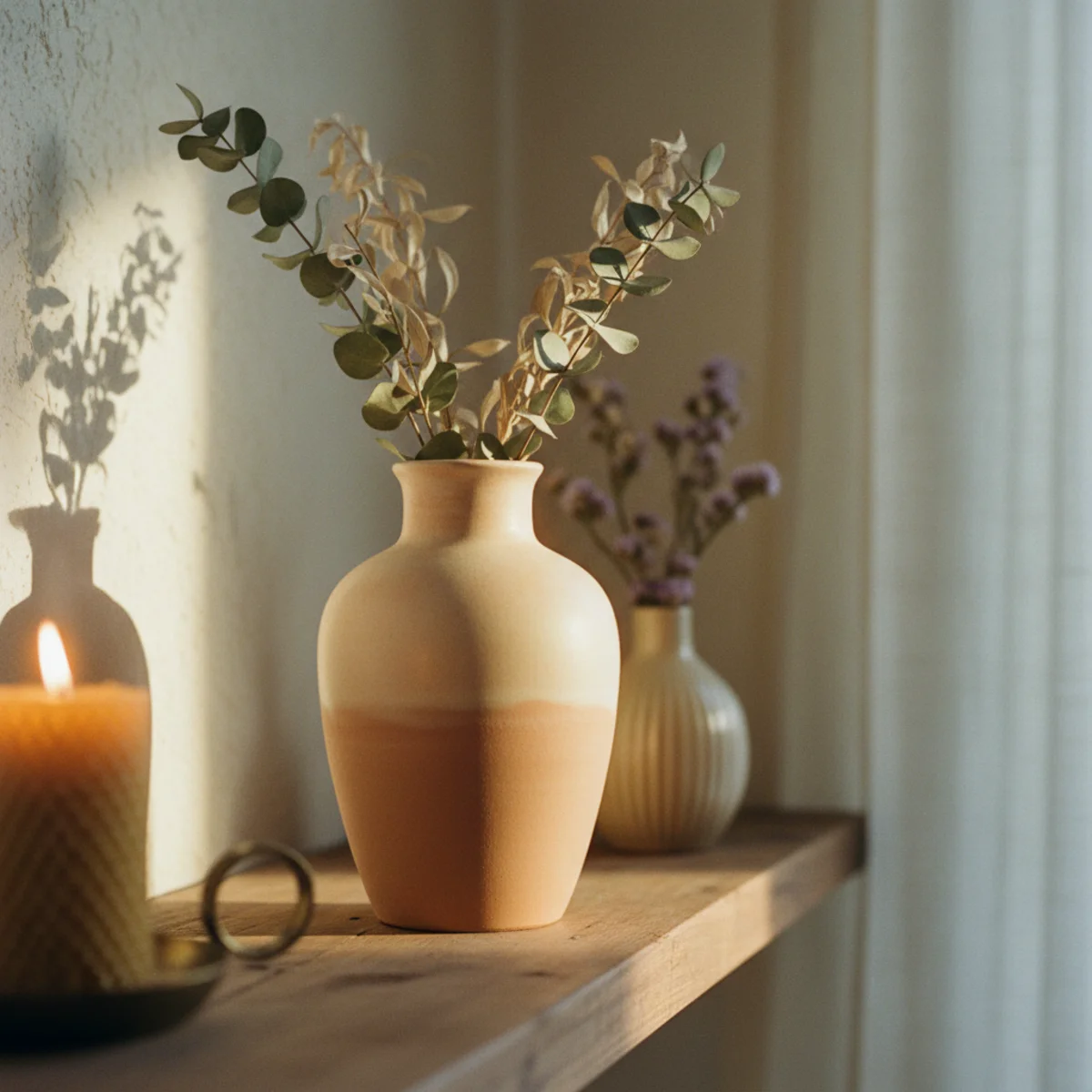
Single flower arrangement and two pale ceramics on summer mantel — the most-open surfaces of the year. See also: fireplace-mantel-decor
10Add Greenery and Houseplants
Summer is the season to expand the household's plant presence — adding more plants to existing corners, moving outdoor container plants temporarily inside for especially beautiful specimens, and distributing small plants throughout the house. Summer's peak growing energy means plants look their absolute best; August is the moment to photograph and celebrate the plant collection at its fullest.
Summer plant expansion: PEAK GROWTH POSITIONING — move existing plants to their optimal summer light positions (south and west-facing windows for most plants, who need slightly more light to support their active summer growth). Avoid direct harsh midday sun on most tropical houseplants; morning or afternoon window position is ideal. OUTDOOR-TO-INDOOR MOVES — for warm-climate dwellers, move container herb plants temporarily inside to kitchen windowsills: basil, mint, rosemary, Thai basil all thrive in summer and look beautiful on windowsills while providing cooking use. EXPANDING THE COLLECTION — summer is the best season to add new plants because the warmth and light support root establishment and new growth. June-July plant purchases establish most strongly. PLANT CARE IN SUMMER — most houseplants need 20-30% more frequent watering in summer (faster evaporation, more active growth). Check plants every 2-3 days rather than twice-weekly. LARGE PLANTS OUTDOORS — if space allows, moving large floor plants (fiddle-leaf fig, rubber plant, monstera) to a shaded outdoor patio for summer recovery produces more growth in 2 months than indoor winter growing. Return before temperatures drop below 55°F.
AFFILIATE SLOTPLANTSReposition existing plants to optimal summer light; move herb plants to kitchen windowsills; expand collection in June-July; water 20-30% more frequentlyAdd affiliate URL when configuredWhy it works
Because summer is when plants are most visually beautiful — at peak growth, with the largest leaves, the most-actively-growing new shoots, the fullest profiles. The same plant that looks slightly sparse in February looks lush and abundant in August. The summer-expanded plant presence is the home's equivalent of the garden's peak: everything at its most-full. Additionally, summer's open windows allow outdoor plant sounds (breeze through leaves, garden bird activity) to mix with the indoor plant presence, blurring the indoor-outdoor boundary that summer specifically enables.
Pro tip — Propagate a few plants in summer for expanding the plant collection at near-zero cost — summer heat accelerates root development on cuttings. Pothos, philodendron, and spider plant cuttings root in water within 1-2 weeks in summer (versus 2-4 weeks in winter). Three cuttings from an existing plant provide three new small plants for distribution throughout the house by late summer.
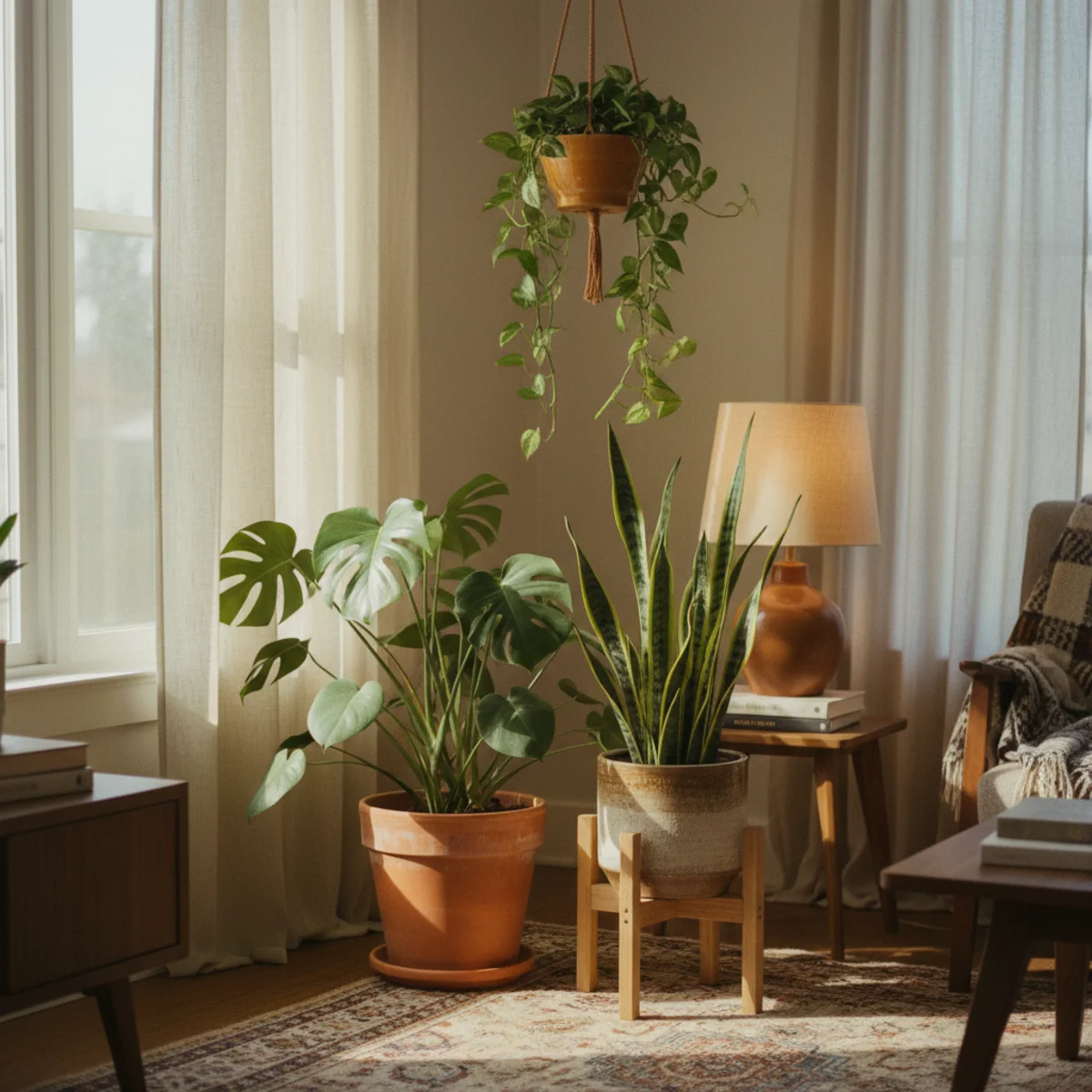
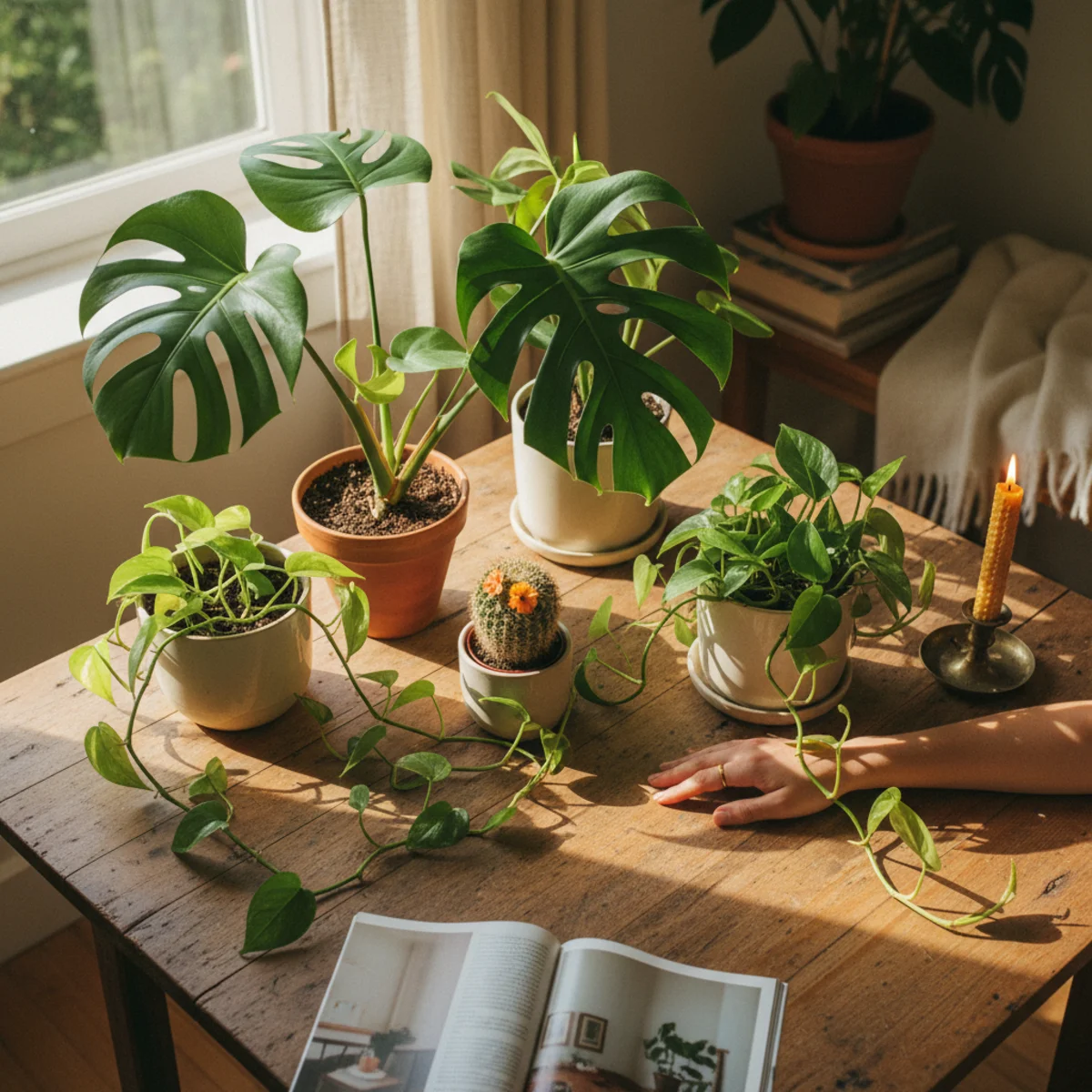
Monstera and pothos at summer peak growth — the plant collection at its annual fullest and most beautiful. See also: indoor-plant-corner
11Use Lighter, Fresher Scents
Summer scent transition: move away from winter's warming candle scents (amber, woodsmoke, beeswax-forward, vanilla-adjacent) toward lighter and fresher scents. Summer-appropriate scent: fresh linen, green botanical, light citrus, gardenia or light floral, mint or herb. The shift in candle and room scent is one of the least-visible but most-felt aspects of the summer transition.
Summer scent specifics: CANDLE SWAPS — from P.F. Candle Co.'s Amber & Moss (winter) to their Golden Hour or Soleil (summer equivalents). From deep beeswax scents toward lighter soy candles in fresh profiles. Specific summer candle recommendations: DYPTIQUE Fleur de Peau (light skin-warm scent), P.F. Candle Co. Golden Hour, OTHERLAND Bungalow (fresh botanical), BOY SMELLS Expiration Date or similar fresh-clean profiles. FRESH BOTANICAL ALTERNATIVES — a small bunch of fresh lavender ($3-8 per bunch from farmers market) in the bathroom or bedroom provides natural scent without candle burning. Fresh mint in a small jar in the kitchen. REDUCE CANDLE BURNING — summer's warmth and open windows mean candle burning is less frequent than winter. The warm-home candle protocol (beeswax tapers lit at dusk) still applies on summer evenings but the choice of scented candle shifts to lighter profiles. ESSENTIAL OIL DIFFUSER — if using a diffuser, swap from warming winter blends (cedarwood + sandalwood + vanilla) to summer profiles (eucalyptus + bergamot, lemon + mint, lavender + light citrus). FRESH AIR AS PRIMARY SCENT — summer's best room scent is the actual outdoor air through open windows (grass, flowers, warm earth, trees). No candle or diffuser competes with this; the priority is allowing the real summer outdoor scent in.
AFFILIATE SLOTSENSORYLighter candle scents: P.F. Candle Golden Hour, Otherland Bungalow, or similar fresh botanical/clean linen profiles; fresh lavender or mint as natural scent alternativesAdd affiliate URL when configuredWhy it works
Because olfactory experience is the most-immediate and most-involuntary seasonal signal — the smell of amber and beeswax in August reads as wrong-season even when every visual element has been updated to summer. The nose registers the season through air, fragrance, and food before the eye processes decor. Summer-appropriate scents (fresh, green, light citrus, clean linen) reinforce the season's quality in a way that no visual decor change can compensate for. Conversely, winter-heavy scents in summer undermine the visual summer transition.
Pro tip — Transition candle scents gradually across May-June rather than all at once — burning through remaining winter candles while introducing one summer scent candle provides a gradual shift that matches the season's own gradual transition from cool spring to warm summer. The abrupt swap of all winter candles for summer ones on June 1 reads as forced; the gradual transition reads as seasonal.
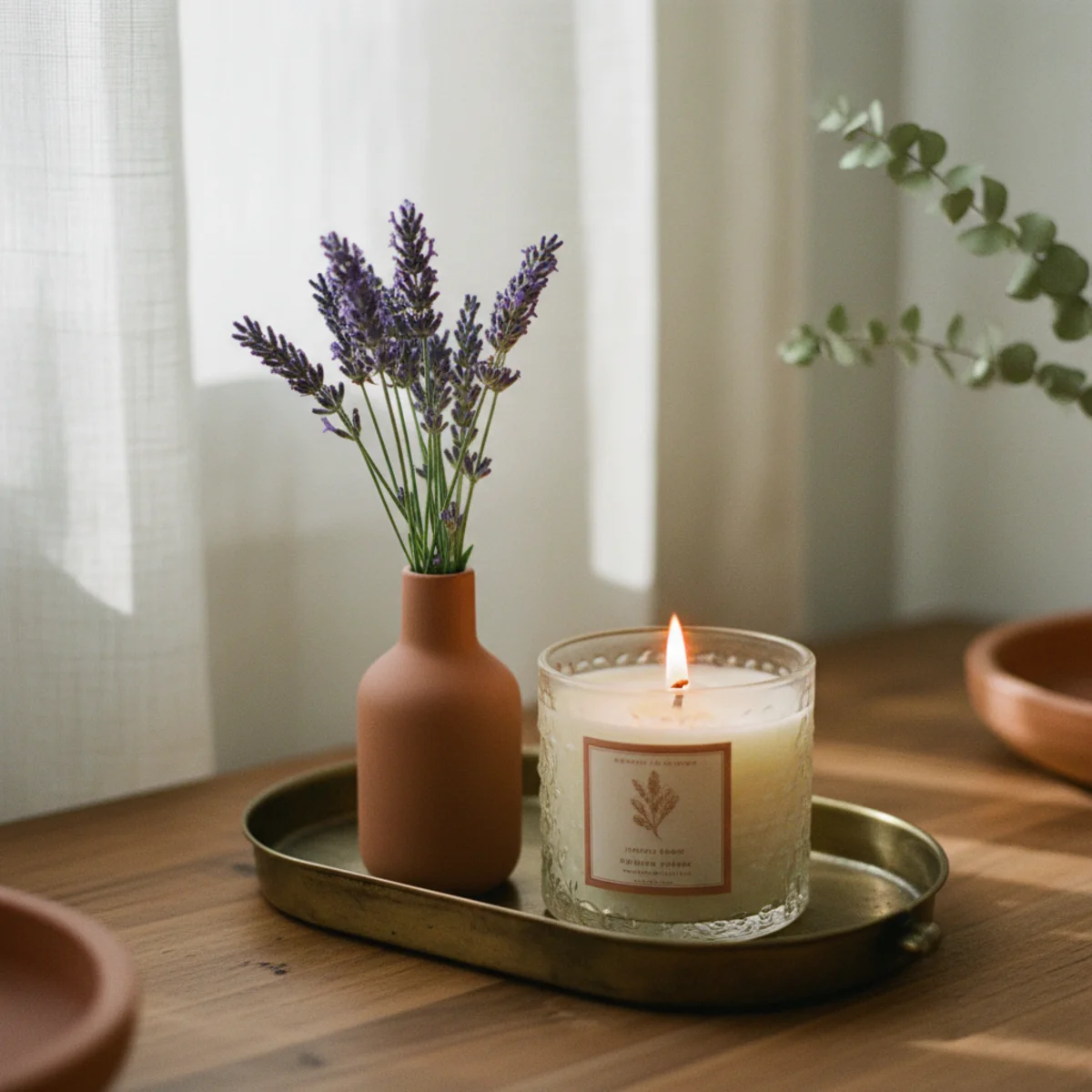
Fresh lavender bunch and lighter candle profile — summer scent transition that the nose registers before the eye does. See also: best-candles-cozy-home
12Let In More Daylight
The final and most-important summer decor principle: let in as much natural daylight as summer provides. Summer solstice produces 14-16 hours of daylight in temperate climates. The home should be open to this abundance — windows fully clear, curtains fully back, skylights and clerestories unobstructed. Summer light is the home's primary decor material; everything else is secondary.
Maximizing summer daylight: WINDOW CLEARANCE — remove all objects from windowsills that might block light, particularly north-facing windows where every bit of light is valuable. INTERIOR REFLECTIVE SURFACES — pale walls, mirrors, and light-toned furniture reflect daylight deeper into rooms. Summer is the season when room-brightening investments (pale paint, strategic mirrors) produce their greatest return. MIRROR PLACEMENT — a large mirror positioned to catch and redirect summer light into a typically dim interior area is the highest-return summer decorating investment. $60-300 for the mirror; transforms light quality in the dark zone. FURNITURE REARRANGEMENT — move seating toward the light-filled windows rather than toward interior walls for the primary summer reading and sitting positions. AFTERNOON LIGHT USE — summer's afternoon light (2-5pm) is the warmest-toned natural light of the day. The hour from 4-5pm on a clear summer afternoon produces the richest golden light on interior surfaces. Position a book or reading chair in the line of this golden light as a daily summer practice. SUNSET PROTOCOL — watch the summer sunset from a position in the home that frames it. The summer sunset at 8-9pm is one of the year's most-specific visual gifts; a chair placed to capture it is the season's most-rewarding decor decision.
AFFILIATE SLOTLIGHTRemove all windowsill objects; strategic mirror to redirect light; seating toward light-filled windows; watch 4-5pm golden light and summer sunset dailyAdd affiliate URL when configuredWhy it works
Because summer's specific gift to indoor life is the abundance of warm natural light that no other season provides — 14-16 hours of light, warm-toned afternoon and evening light, the long golden evening that extends past dinner into night. This light is the reason that summer interiors look and feel fundamentally different from other seasons: the same room in summer daylight reads as a different architectural space from the same room under winter artificial light. Maximizing this light is not a styling choice but the full use of summer's primary seasonal offering.
Pro tip — Wash interior walls in late spring — pale painted walls reflect summer light most efficiently when clean; dust and grime on painted surfaces absorbs 5-10% of incoming light. A wall-cleaning of the main living spaces before summer (bucket of warm soapy water, mop or sponge) increases the room's light reflectance and makes the summer light investment more effective.
Full unobstructed summer afternoon light — the home fully open to summer's 14-16 hour daylight abundance. See also: hygge-living-room
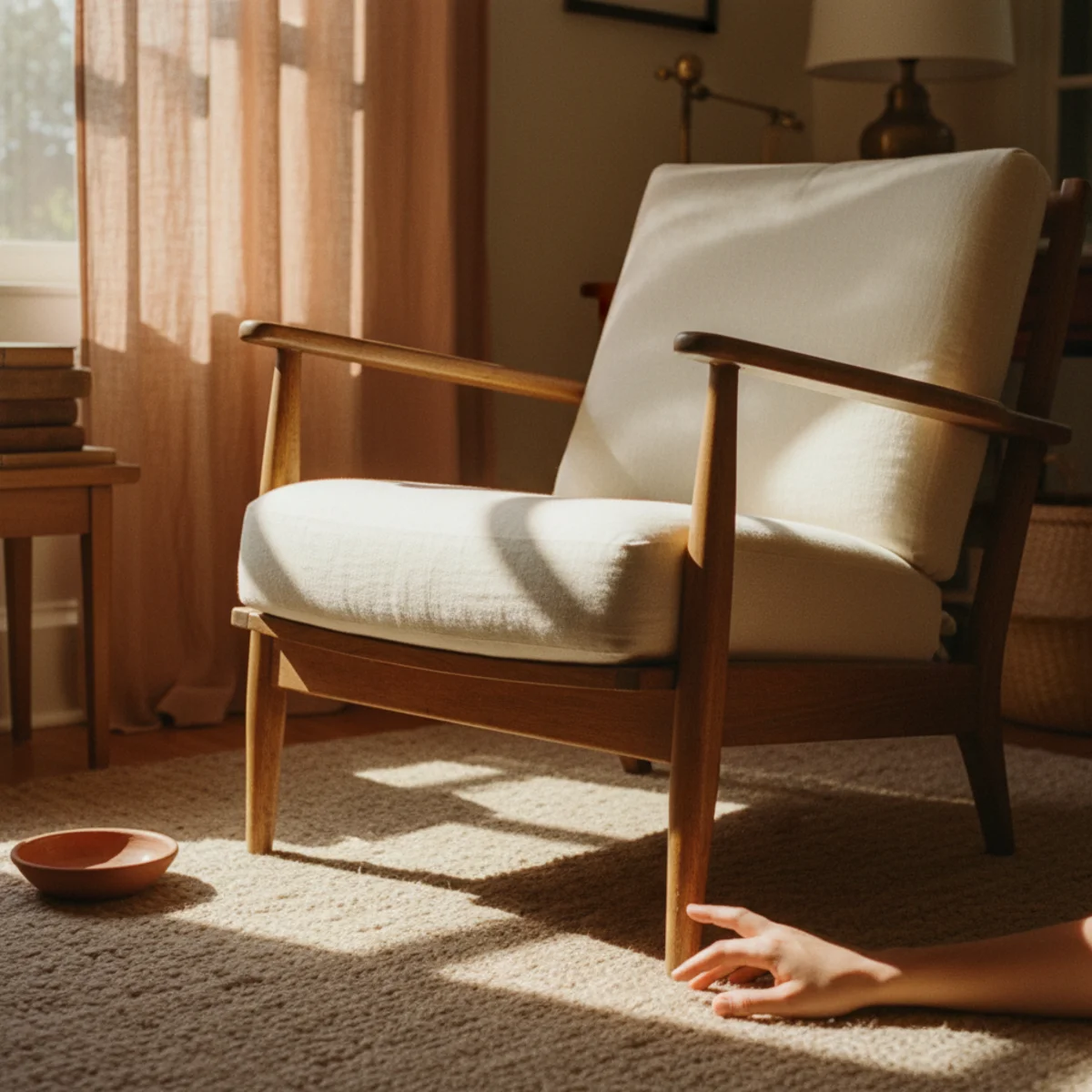
How to refresh a room for summer step by step
Lighten and open up more than you add. Work in this order.
- 1Lighten the textiles
Swap heavy wool throws and winter bedding for breezy linen and light cotton, and trade heavy drapes for sheer or none. Store the winter pieces clean.
- 2Cool the floor
Roll up the heavy rug and lay a jute, sisal, or flatweave for a light, airy floor.
- 3Open to air and light
Open the windows and curtains to let a cross-breeze and the long daylight move through the room.
- 4Add fresh green and lighten the palette
Bring in garden stems and houseplants, swap a few deep cushions for fresher tones, and clear the heavy clutter.
Quick tips
- Store winter wool clean in breathable bags, not plastic, to avoid must and moths.
- Swap the heavy rug for jute or flatweave and roll the wool one up till autumn.
- Trade heavy drapes for sheer linen that floats in the breeze.
- Stay in warm neutrals and just choose the lighter, airier end — skip the nautical theme.
- Bring in abundant garden stems and more sun-loving plants for the season.
- Open the windows; a cross-breeze and the long daylight are summer's best free decor.
Summer decor by room
Linen swapped for wool, a jute rug, sheer curtains, and a jug of garden stems.
A linen coverlet, a folded throw at the foot, and more daylight; see our cozy bedroom inspo.
A bowl of summer fruit, fresh herbs, and garden flowers on the table.
Natural fibers — rattan, cane, jute — and open doors that blur the indoor-outdoor line.
Summer decorating is mostly lightening the layers and letting the air and light move through. The room exhales.
Frequently asked questions
How do I decorate my home for summer?+
What's the best summer room decor?+
What fabric is best for summer home decor?+
Should I change my decor for summer?+
What colors are good for summer home decor?+
How do I make my bedroom feel summer-like?+
- SeasonalSpring Decor Ideas: 26 Light, Warm Ways to Refresh a Room (2026)
- Cozy CornersIndoor Plant Corner Ideas: 20 Ways to Style a Cozy Green Nook (2026)
- EntertainingBar Cart Styling: 20 Ways to Style a Cozy Home Bar Cart (2026)
- Color StoriesCream Decor: How to Use Warm White Without It Going Flat (2026)
Summer decorating is mostly subtraction and air — lifting the heavy layers the cold months piled on and letting light and breeze move through. Swap wool for linen, the heavy rug for jute, draw back the drapes, and bring in garden stems. We'd do the whole refresh in twenty minutes with things we already own; no nautical theme, just a room that exhales and feels five degrees cooler the moment the wool's in storage. Lighten and open up, and the season does the rest.