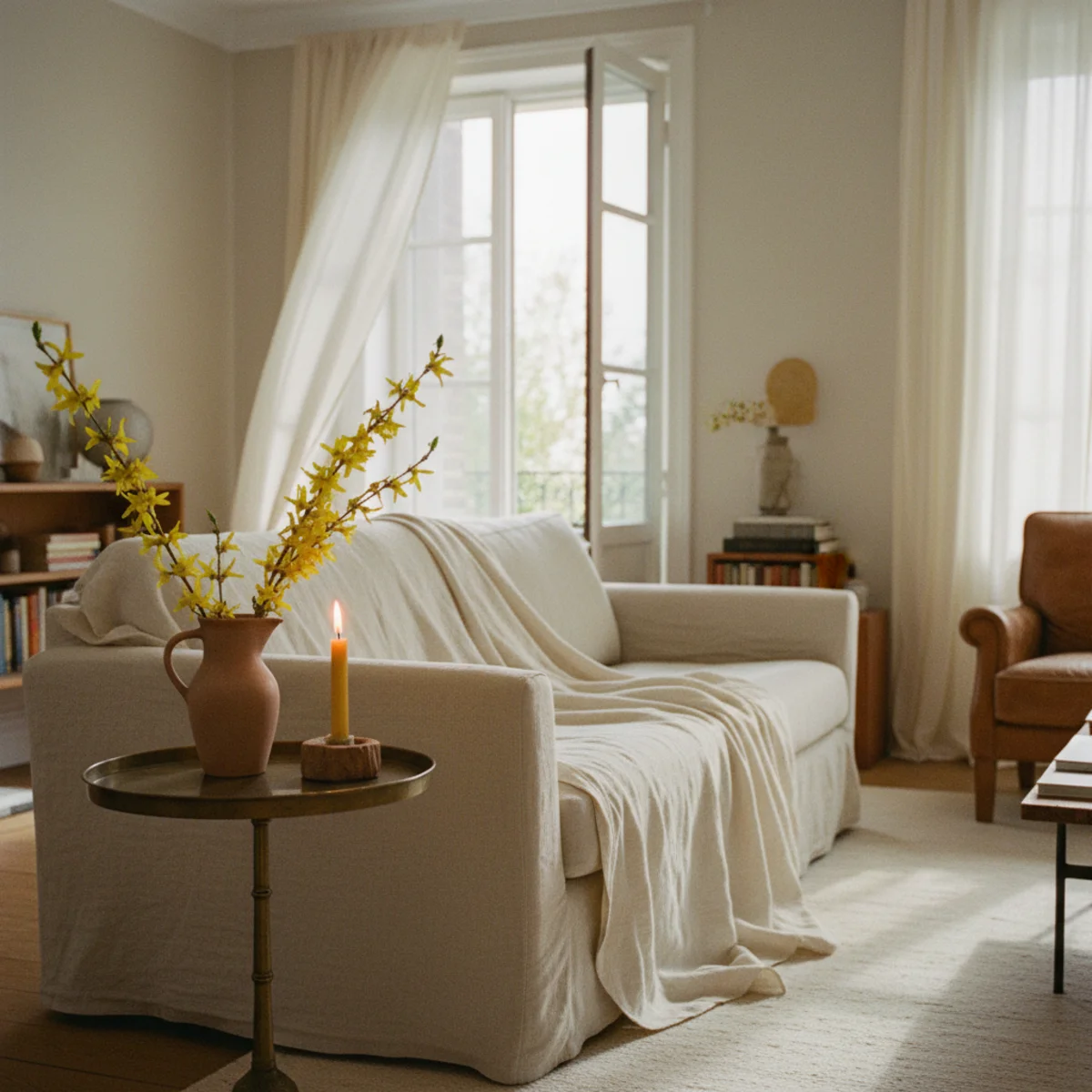
These twelve spring decor moves are tested across real seasonal transitions in warm homes — the specific shifts from late February through May as daylight returns, air temperatures allow open windows, and the garden begins producing cuttings worth bringing inside. Each move below names the exact swap or addition, the materials, the cost (mostly $0 for swaps), and the timing within the spring transition that makes each move most impactful. The goal is spring decor that feels genuinely seasonal rather than commercially seasonal.
Most spring decor fails because it adds new spring-themed objects (decorative birds, faux grass, Easter-adjacent pastel items) on top of winter's existing accumulated weight. The spring home doesn't add more; it removes. The twelve moves below are primarily subtractive — removing wool throws, heavy rugs, dense bedding layers, dark winter surfaces — with a few targeted additions that cost almost nothing if timed to the garden's natural spring production.
By the end of this guide, you'll know exactly which moves shift your home into spring — swapping wool for washed linen, cutting fresh branches for vases, opening windows and curtains fully, lightening the palette, bringing in potted bulbs or herbs, rolling up heavy rugs, switching to a lighter bedding layer, adding fresh-cut flowers, clearing and lightening surfaces, refreshing with a citrus bowl, adding a touch of green paint or textile, and letting in spring's actual scent and air.
WHAT'S INSIDE
- Why removing winter textiles (not adding spring ones) is the most-effective spring decor move
- Fresh-cut branches from the yard — the spring decor staple that costs nothing and reads professionally
- The lighter bedding swap that immediately changes the bedroom's seasonal register
- Clearing and lightening surfaces — the spring edit that requires zero new purchases
Spring decorating is mostly subtraction — lifting the heavy layers of winter to let the light and air back in.
— House Beautiful [citation needed — verify before publish]
What is spring decor?
Spring decor is the seasonal lightening of a room — swapping heavy winter textiles for lighter ones, bringing in fresh greenery and branches, and opening up to the longer, brighter light. It's the opposite of fall and winter's layering-in: a deliberate paring-back that lets a room breathe after the cozy density of the cold months.
The warm version skips the cliché pastels and plastic florals. Instead it's washed linen replacing wool, sheer or no curtains letting daylight flood in, branches just coming into leaf in a pitcher, and a lighter, fresher palette built on the same warm neutrals. You're not redecorating — you're lifting a few heavy layers and adding a touch of green, so the room feels current with the season while staying recognizably yours.
More in Seasonal you may love
See allWhy spring refreshing matters in 2026
Seasonal decorating has become a year-round rhythm rather than just a fall-and-winter event, and the spring refresh — lightening up after the cozy density of winter — is one of the most-searched seasonal topics. Pinterest's spring decor searches climb every March, increasingly toward natural, warm, and un-pastel takes.
The honest appeal is renewal. After months of heavy layers, drawn curtains, and low light, lightening a room genuinely lifts the mood — and it costs almost nothing, since it's mostly swapping and subtracting things you already own. The 2026 version leans away from the twee pastel-and-bunny cliché toward fresh greenery, lighter natural textiles, and simply letting more daylight in.
26 spring decor ideas worth trying
01Swap Wool for Washed Linen
The foundational spring decor transition: remove all chunky knit and heavy wool throws and replace with lightweight washed linen throws and cushion covers. The swap costs nothing if you have linen stored from last spring, or $40 to $150 if purchasing new. The visual effect is immediate — lighter, softer, brighter surfaces that breathe where wool was warm and dense.
Spring textile swap specifics: REMOVE — chunky knit wool throws, heavy cashmere blankets, dense mohair or boucle cushion covers from all sofas and chairs. Store in cedar-lined bins or vacuum-seal bags for autumn. ADD — washed linen throws in cream, oat, soft sage, or muted sky-blue ($60-120 per throw from Quince or Magic Linen), washed linen cushion covers in spring-adjacent earth tones ($20-50 each from Quince, Etsy artisans, H&M HOME). TIMING — mid-February through March depending on climate. The swap can happen when you notice you're no longer reaching for the chunky throws. BED TEXTILES — swap heavy wool blanket used as bed layer for a lightweight cotton waffle blanket or lighter linen duvet cover. SOFA — two or three linen cushions replace the same number of boucle and chunky knit; one lightweight linen throw replaces the chunky knit throw. STORAGE FRESHNESS — add cedar sachets and silica gel packets to wool storage bins to prevent moth damage and moisture during 6-month storage. PALETTE SHIFT — the spring textile palette shifts from deep rust, warm terracotta, and dark ochre toward cream, oat, soft sage, muted dusty blue, and soft shell pink. Not a dramatic color shift — a lightening within the warm palette family.
AFFILIATE SLOTTEXTILESRemove chunky wool/boucle throws and covers; replace with washed linen throws ($60-120) and cushion covers ($20-50) in cream, oat, soft sageAdd affiliate URL when configuredWhy it works
Because textiles occupy the largest visible surface area in any room — sofas, chairs, beds, and floors are 60-70% of what the eye registers in a typical living room or bedroom. When all textiles shift from winter-heavy (wool, chunky knit, dark warm tones) to spring-light (washed linen, cotton, cream and oat tones), the entire room reads as different season. Adding a decorative bird or a wreath to a room still full of winter textiles produces 'spring-decorated winter room'; removing the winter textiles produces 'spring room.' The subtraction accomplishes more than any addition.
Pro tip — Pack winter textiles away in zippered storage bags with a dryer sheet inside — the dryer sheet prevents the musty stored-textile smell that wool especially develops over 6 months of storage. The fresh-smelling textiles returned to use in autumn feel significantly better than ones that spent summer in a box.
Heavy wool replaced by washed linen — the textile swap that shifts the entire room's seasonal register. See also: best-linen-bedding
02Cut Fresh Branches
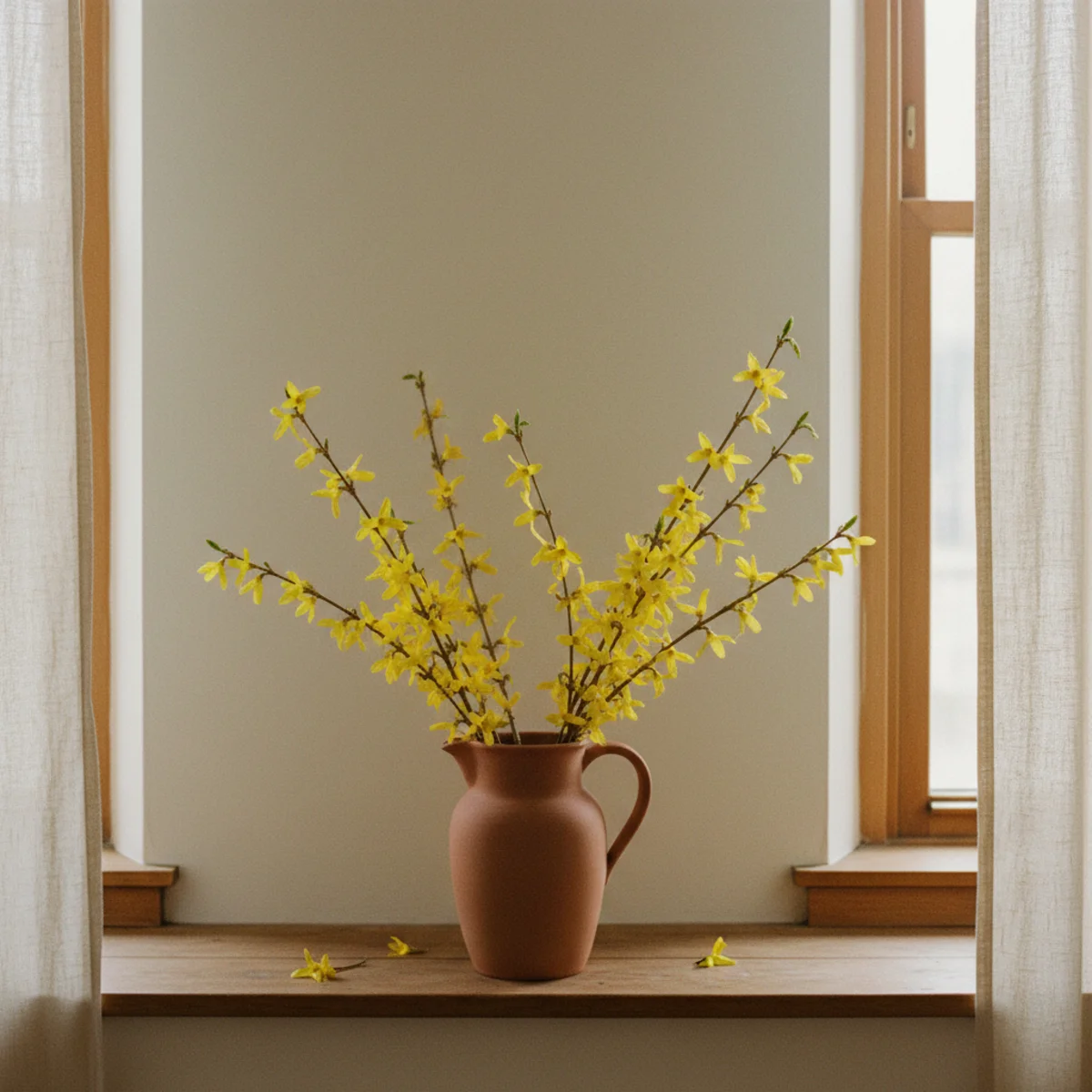
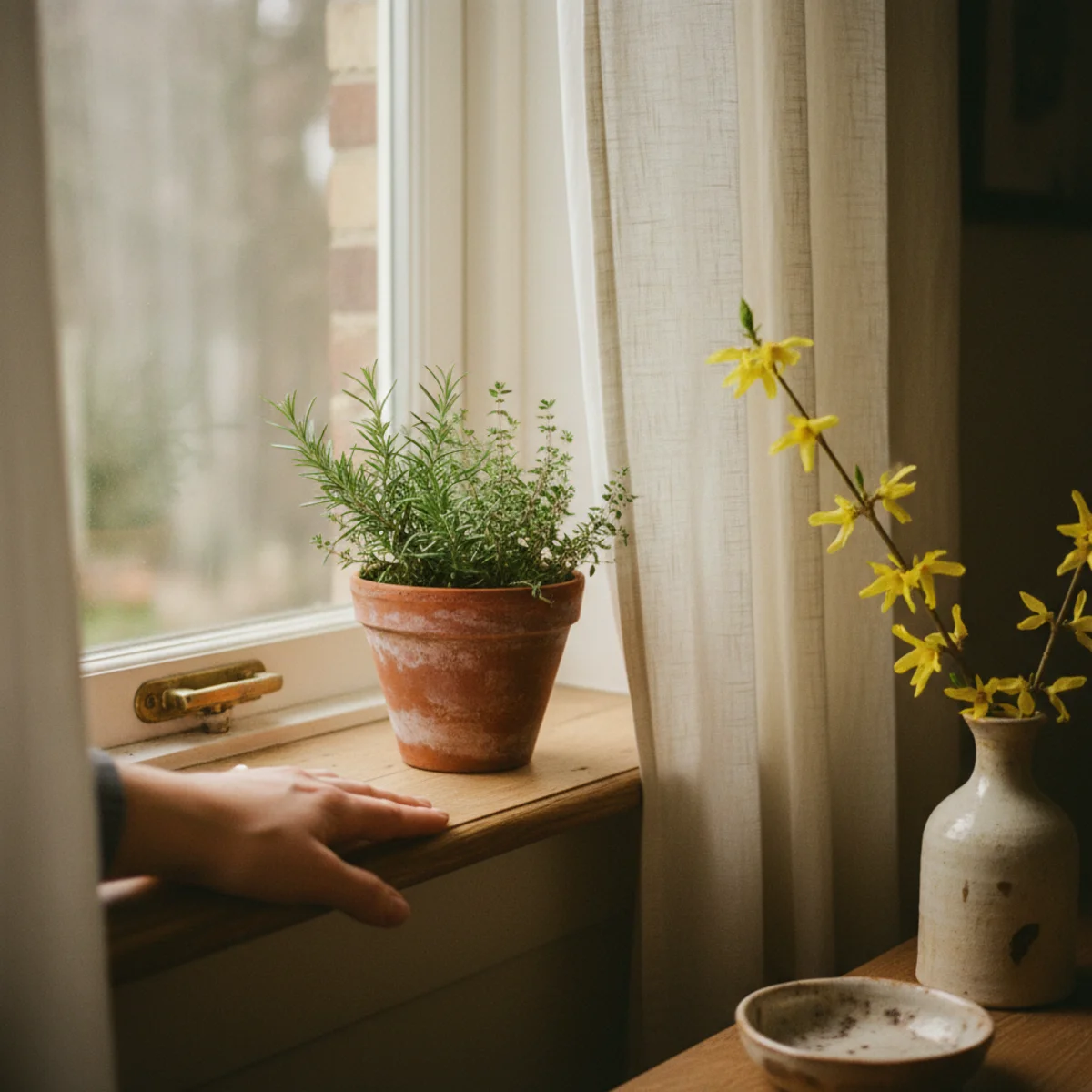
Fresh-cut branches from the yard — forsythia blooming yellow, cherry or apple in bud or bloom, magnolia with emerging leaves, willow with new growth, lilac coming into bud — brought inside into simple glass jars or ceramic pitchers is the most authentic spring decor possible. It costs nothing, it's immediately available from any yard with spring-blooming trees, and it reads as genuinely seasonal rather than as commercially spring.
Spring branch cutting guide: TIMING — cut branches 2 to 4 weeks before the tree would naturally bloom outdoors to force early indoor bloom. Forsythia forces most reliably (cut in late January or February, blooms within 1-2 weeks indoors). BEST FORCING BRANCHES — forsythia (yellow flowers), flowering cherry or plum (pink or white flowers), pussy willow (silver catkins), apple or pear (white/pink flowers), witch hazel (spider-like flowers), dogwood (white or pink flowers). CUTTING TECHNIQUE — cut at 45-degree angle with clean sharp pruners. Remove any leaves or buds below the water line. VASE TECHNIQUE — condition overnight in deep cold water. Arrange in simple glass jar, ceramic pitcher, or vintage milk bottle. Change water every 2-3 days. INDOOR PLACEMENT — near a window but not in direct sun (sun dries out branches too quickly). Kitchen counter, dining table, windowsill. SIMULTANEOUS SEASONAL SIGNALS — the vase of forced branches combined with open windows (per item 3) and the first outdoor birds and sounds creates the multi-sensory spring moment that no purchased decor can replicate. LATE SPRING ADDITIONS — once garden is producing, add fresh lilac, peonies, tulips, ranunculus, and other spring florals from garden or $8-15 farmers market bunches.
AFFILIATE SLOTBOTANICALForsythia, flowering cherry, pussy willow, apple, or magnolia cut at 45 degrees in late winter; condition in deep cold water; free from any yard with blooming treesAdd affiliate URL when configuredWhy it works
Because forced branches carry the specific time and place of your own yard's spring transition — the forsythia you forced came from your specific tree in your specific garden, beginning to bloom at the specific moment of your specific year's spring. That provenance is visible in the branch's natural form, the bud's specific timing, the scale of the cutting. Purchased grocery-store tulips are beautiful but generic; your own yard's flowering cherry branch is specifically yours. The authenticity reads in the home.
Pro tip — Force multiple branches simultaneously (4-6 different species in separate vases) to create a continuing spring display as each species blooms at its own pace — the forsythia blooms first, then the cherry, then the magnolia. The sequenced blooming gives 4-8 weeks of changing spring branch display from one late-January cutting session.
Forced forsythia blooming indoors — your yard's specific spring in a ceramic pitcher, costing nothing. See also: cottagecore-decor
03Open the Windows and Curtains
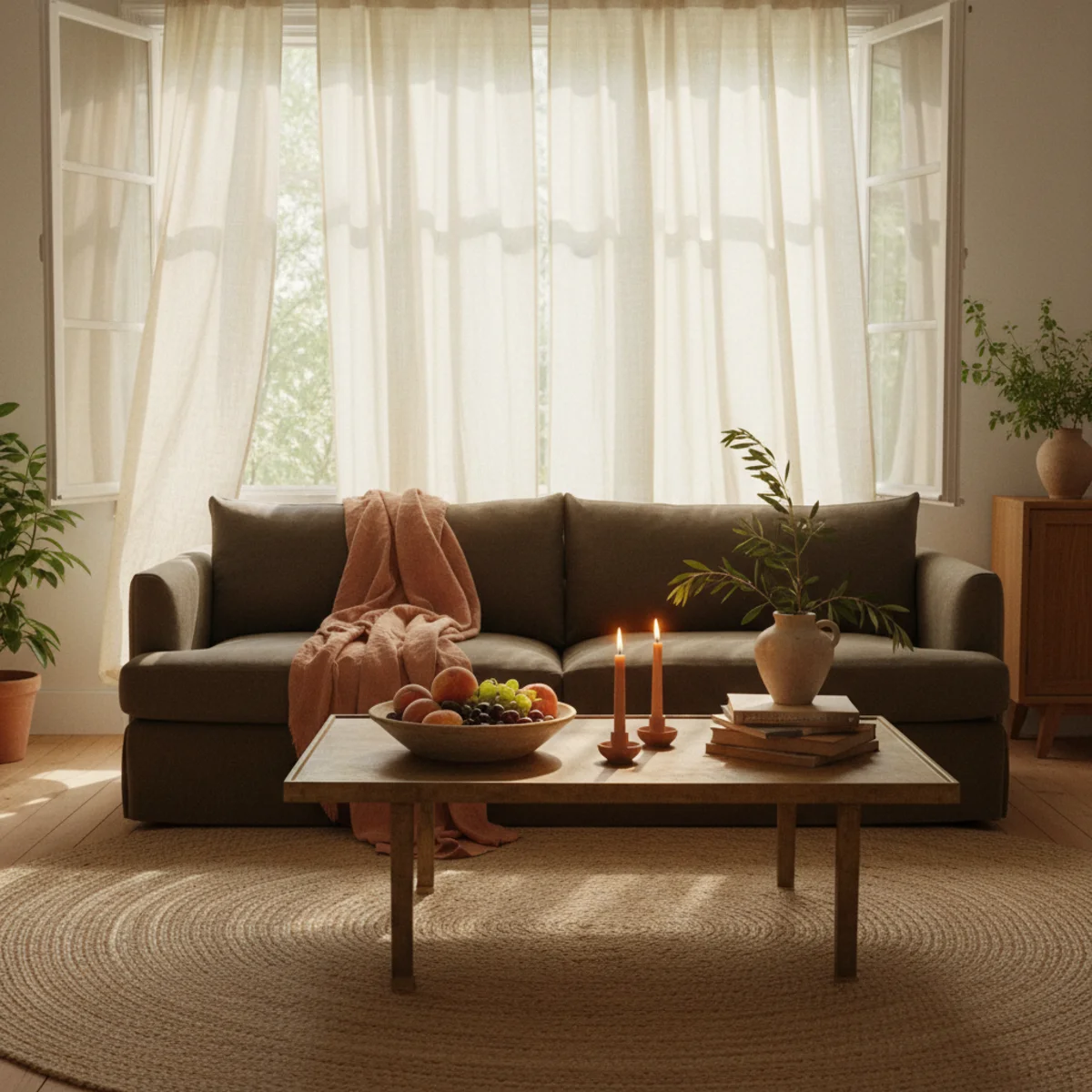
The most-impactful and most-overlooked spring decor move: open every window when temperature allows and pull the curtains fully open. The natural light that floods the room when winter's closed-window habit breaks shifts the room's visual register more dramatically than any object addition. Spring light through fully-open windows is the room's transformation.
Open-window-and-curtain protocol: TIMING — begin opening windows when daytime temperature consistently reaches 55°F/13°C, typically February-April depending on climate. Even brief opening (1-2 hours during warmest afternoon) begins the spring transition. CURTAIN PULLING — pull all curtains fully open (stacked to sides) during daylight hours in all rooms used during day. Remove or move any temporary winter light-blockers (thermal curtain liners, draft excluders over window frames). HEAVY CURTAIN SWAP — if you have heavy thermal or velvet winter curtains, swap to lighter linen or sheer panels for spring. $30-80 per panel for basic sheer linen panels. MAXIMUM DAYLIGHT WINDOWS — the spring decor priority is maximum natural light. Remove any objects from windowsills that block light, clean windows (even a 15-minute spring window cleaning increases transmitted light significantly), wash any dusty curtain panels to restore brightness. NATURAL LIGHT EFFECT ON ROOM — the same room in full spring daylight reads as dramatically lighter and more spacious than the same room in winter overhead-light conditions. The spring light does work that no decor change can replicate.
AFFILIATE SLOTTRANSITIONOpen windows daily when temperature allows; pull all curtains fully open during daylight; clean windows in early March; swap to lighter linen/sheer panels if neededAdd affiliate URL when configuredWhy it works
Because spring decor is fundamentally about the quality of the room's light and air — and both are determined by windows rather than objects. A beautifully styled spring-decorated room with closed windows still reads as winter-enclosed because the light is wrong and the air is stale. The same room with all windows open and curtains pulled back reads as spring before a single object changes. The natural light shifts warm tones toward golden, cool tones toward bright, and the air carries the outdoor smell of new growth. No arrangement of objects produces this effect.
Pro tip — Wash your windows in early March as part of the spring transition — indoor grime and dust on window glass reduces transmitted light by 20-30%. The 30-minute window-cleaning task immediately brightens every room and is the highest-light-return task in the spring transition. Interior-only washing is sufficient and takes 15 minutes per standard window.
Windows open, curtains pulled wide — spring light doing work that no object arrangement can replicate. See also: hygge-living-room
04Lighten the Palette
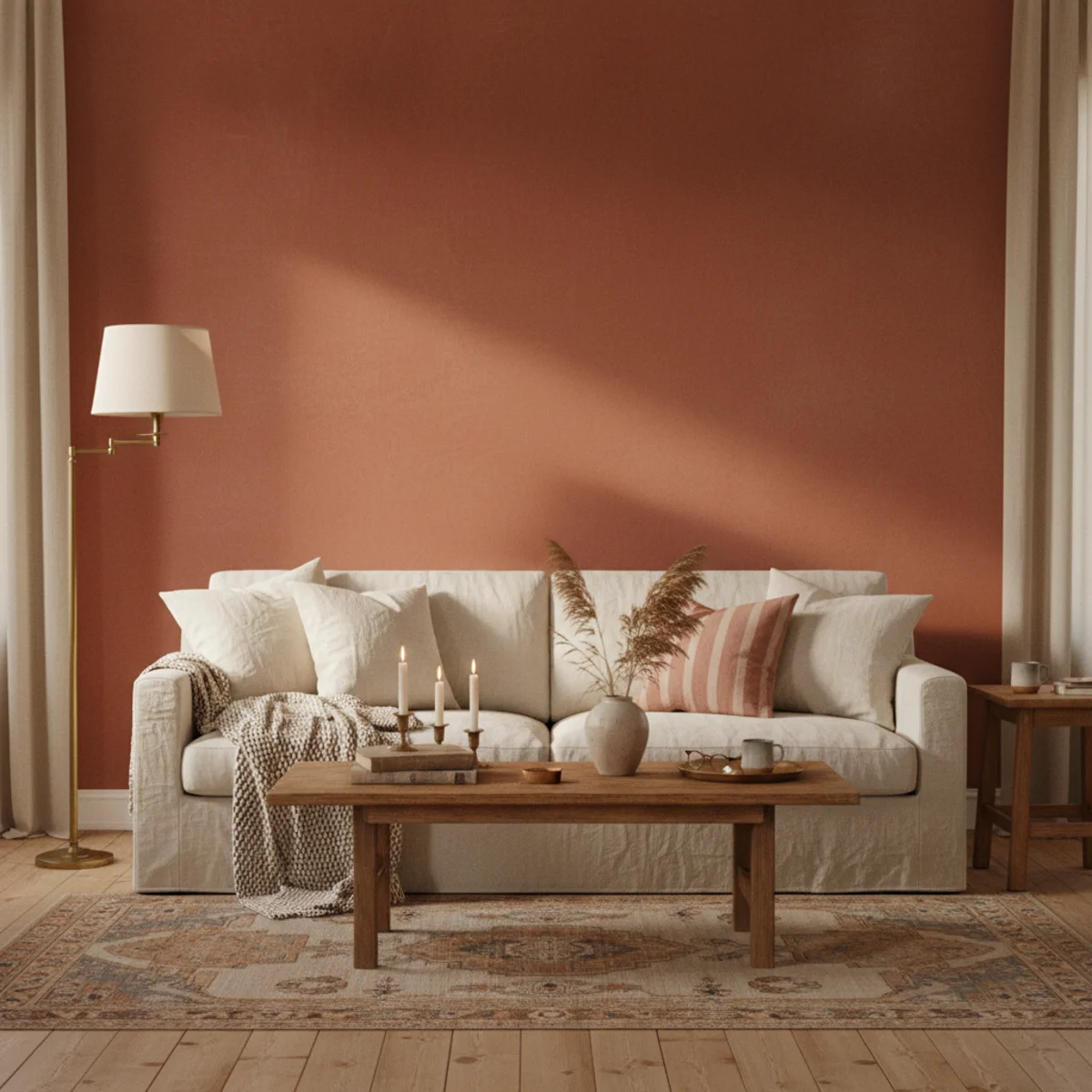
Spring palette lightening: swap one or two dark winter accent pieces (deep terracotta cushions, dark rust throws, deep ochre objects) for lighter spring equivalents (soft sage cushions, cream or oat throws, pale yellow or soft pink accents). The shift within the warm palette family keeps the room coherent while registering the season's brightening. Cost: $20-80 for a couple of cushion cover swaps.
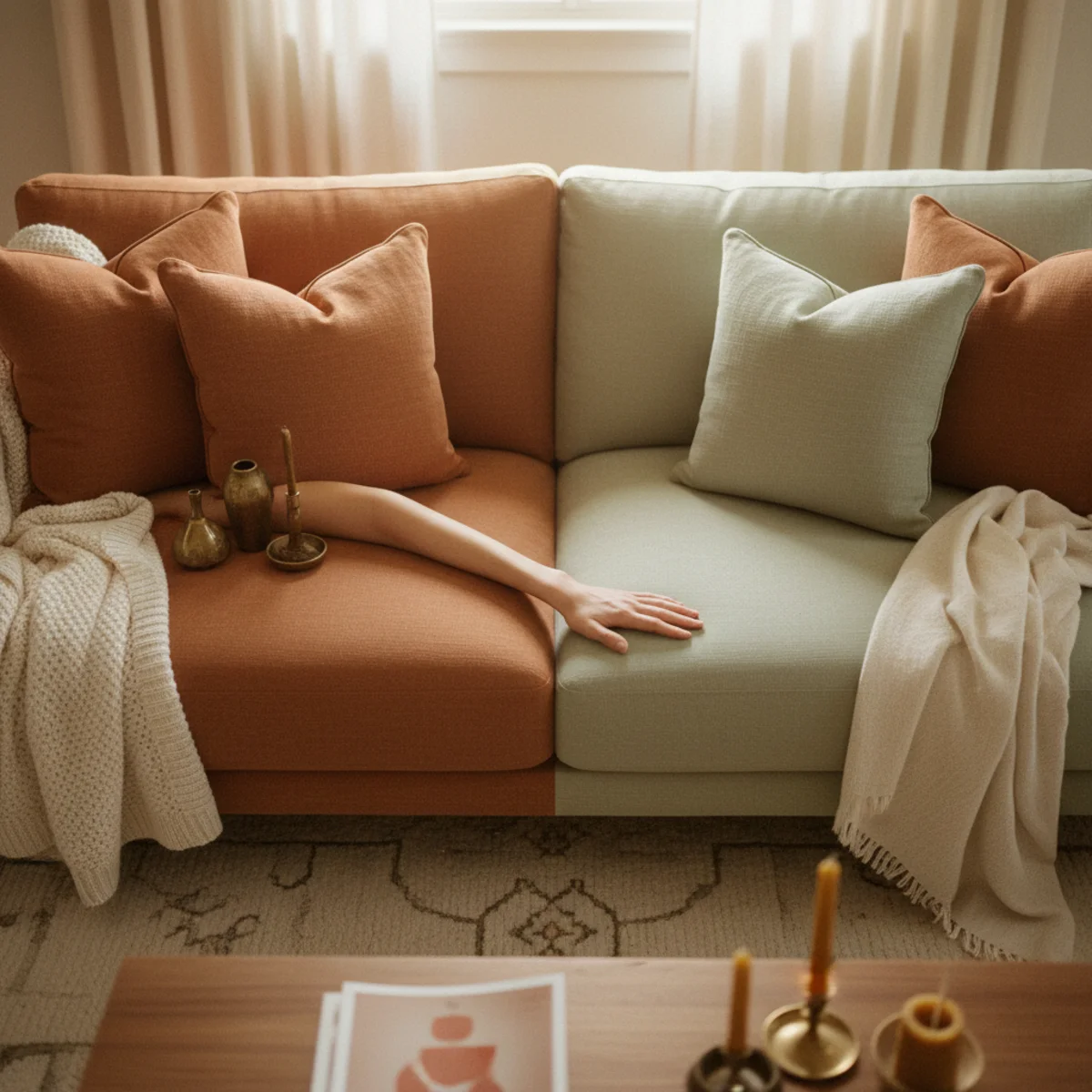
Spring palette lightening strategy: WALL COLOR — if walls were painted in deep autumn tones for winter, spring is not the time to repaint; instead, lighten through textiles and surfaces. TEXTILE SHIFTS — swap: deep terracotta cushion covers → soft sage or cream covers, dark rust throw → lightweight cream or oat throw, heavy dark-toned bedding → lighter cream or soft sage linen bedding. CERAMICS AND VASES — bring out lighter-toned ceramics stored during winter: cream ironstone pieces, soft sage glaze vessels, natural stonewares. FLOWERS AS PALETTE SHIFT — a vase of yellow forsythia or cream tulips introduces spring palette immediately. SPECIFIC SPRING ADDITIONS (LOW COST) — one soft yellow or cream cushion cover ($20-40) to replace one winter-dark version. WHAT TO KEEP — warm wood tones, aged brass, natural linen foundations all remain year-round. The spring shift is in the accent colors and textile weights, not in the foundational warm palette. SPRING PALETTE FAMILY — cream + oat + soft sage + soft dusty blue + muted yellow + pale shell pink. Still within the warm-natural family but lighter and more golden than autumn's deep rust and terracotta.
AFFILIATE SLOTPALETTESwap 1-2 dark winter accent textiles for lighter spring equivalents: soft sage, cream, oat, soft yellow; warm foundations remain year-roundAdd affiliate URL when configuredWhy it works
Because the home's foundational warm character (warm wood, aged brass, cream walls, natural linen) should remain consistent across seasons — the seasonal variation happens in the lighter layer of accent colors and textile weights. Dramatic spring color changes (bright yellow room, vivid green cushions, saturated pink throws) read as commercial spring styling rather than as genuine seasonal response. The subtle lightening within the same warm palette family reads as seasonally responsive while maintaining the home's warm character.
Pro tip — Photograph your room in late winter and again in late spring to track the palette shift across the season — the photos reveal how much the natural light and textile swap accomplishes without any deliberate palette intervention. Most warm homes naturally lighten into spring through better light alone; deliberate palette intervention refines rather than creates the shift.
Deep terracotta out, soft sage and cream in — palette lightening that stays within the warm home family. See also: sage-green-decor
05Bring In Potted Bulbs or Herbs
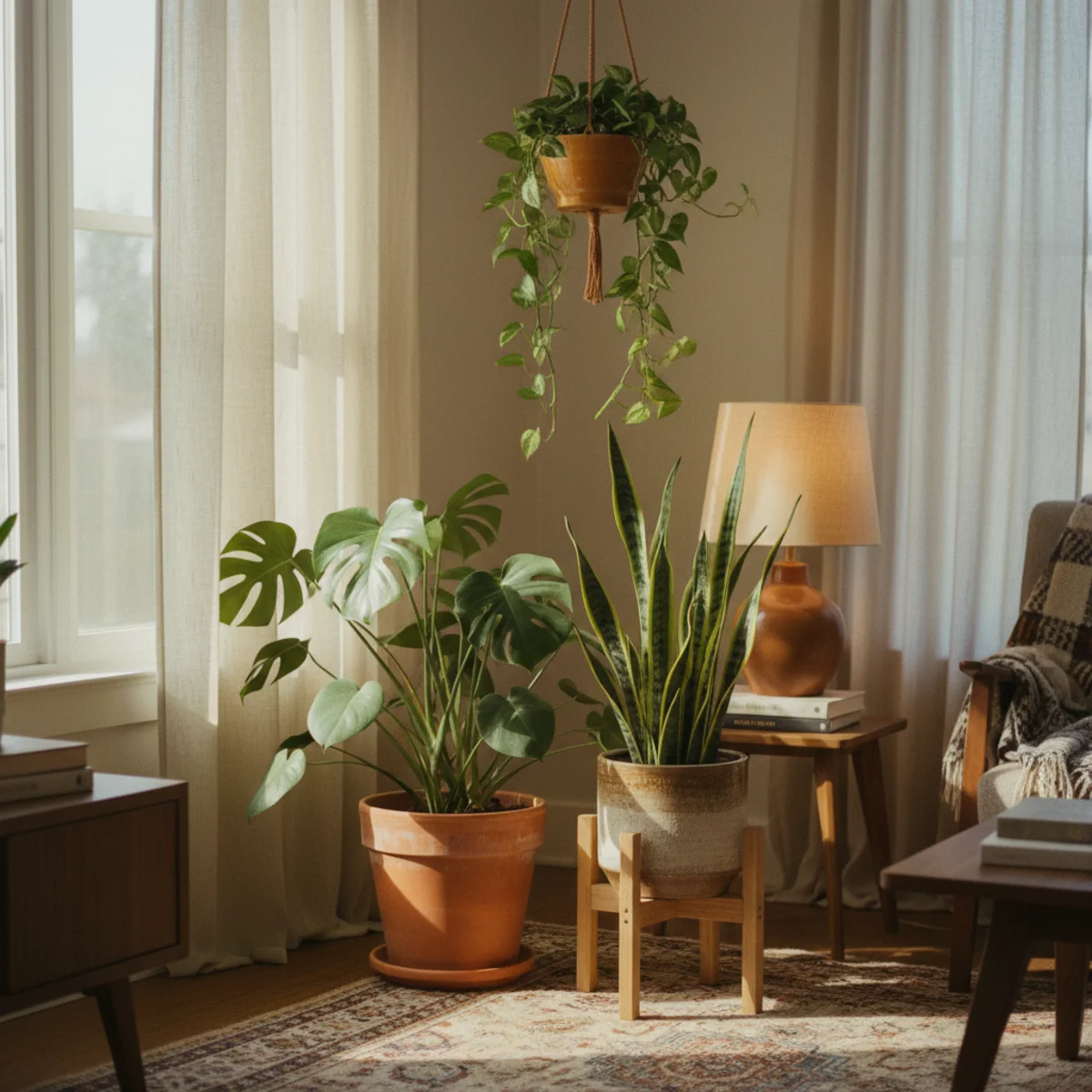
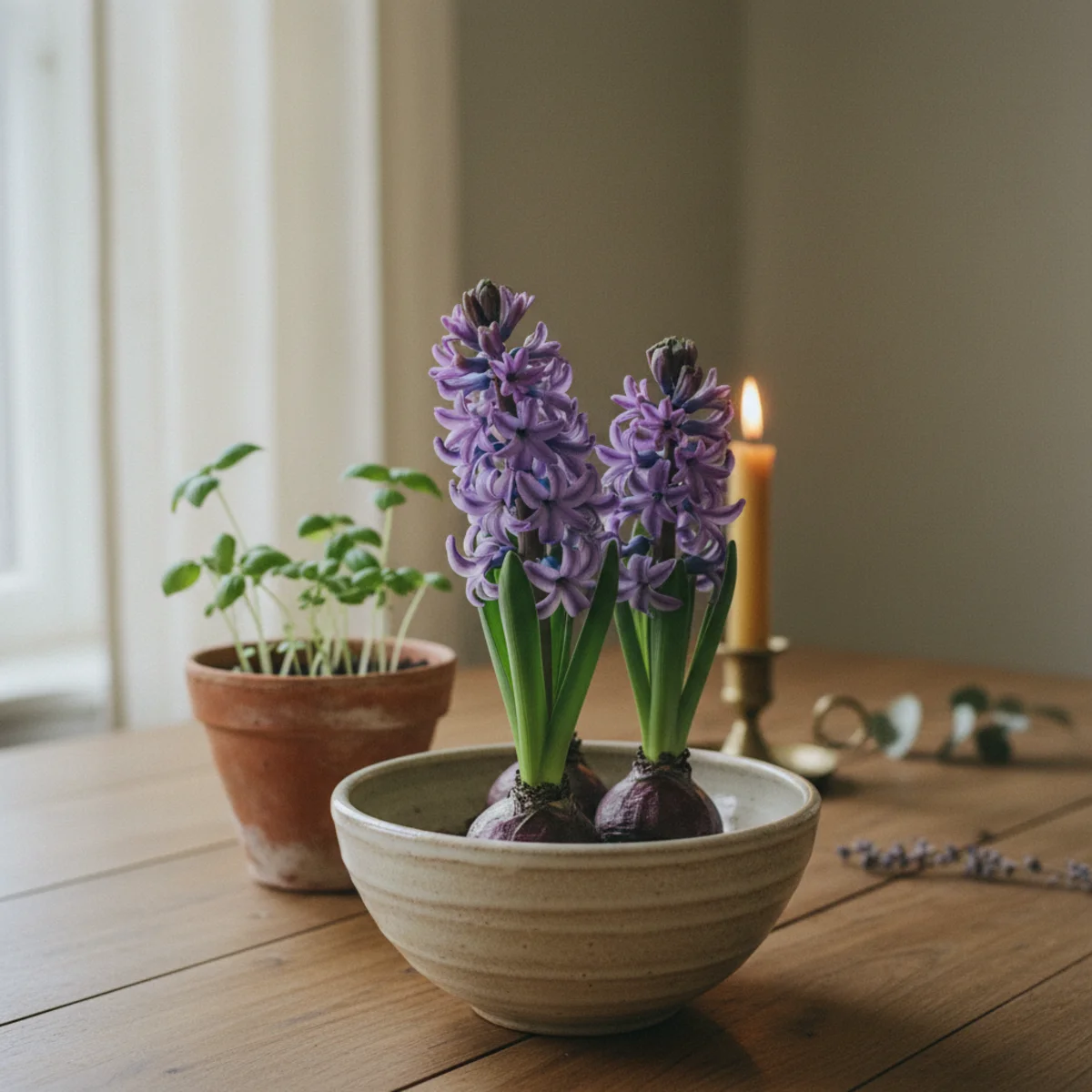
Potted spring bulbs — hyacinth, narcissus, tulips, muscari — brought inside in late winter while still budding, or herb seedlings started in terracotta pots on the kitchen windowsill, bring spring's actual growing energy indoors. The bulbs have fragrance and form that cut flowers lack; the herbs have function and daily presence. Cost: $5-25 for bulbs or seeds.
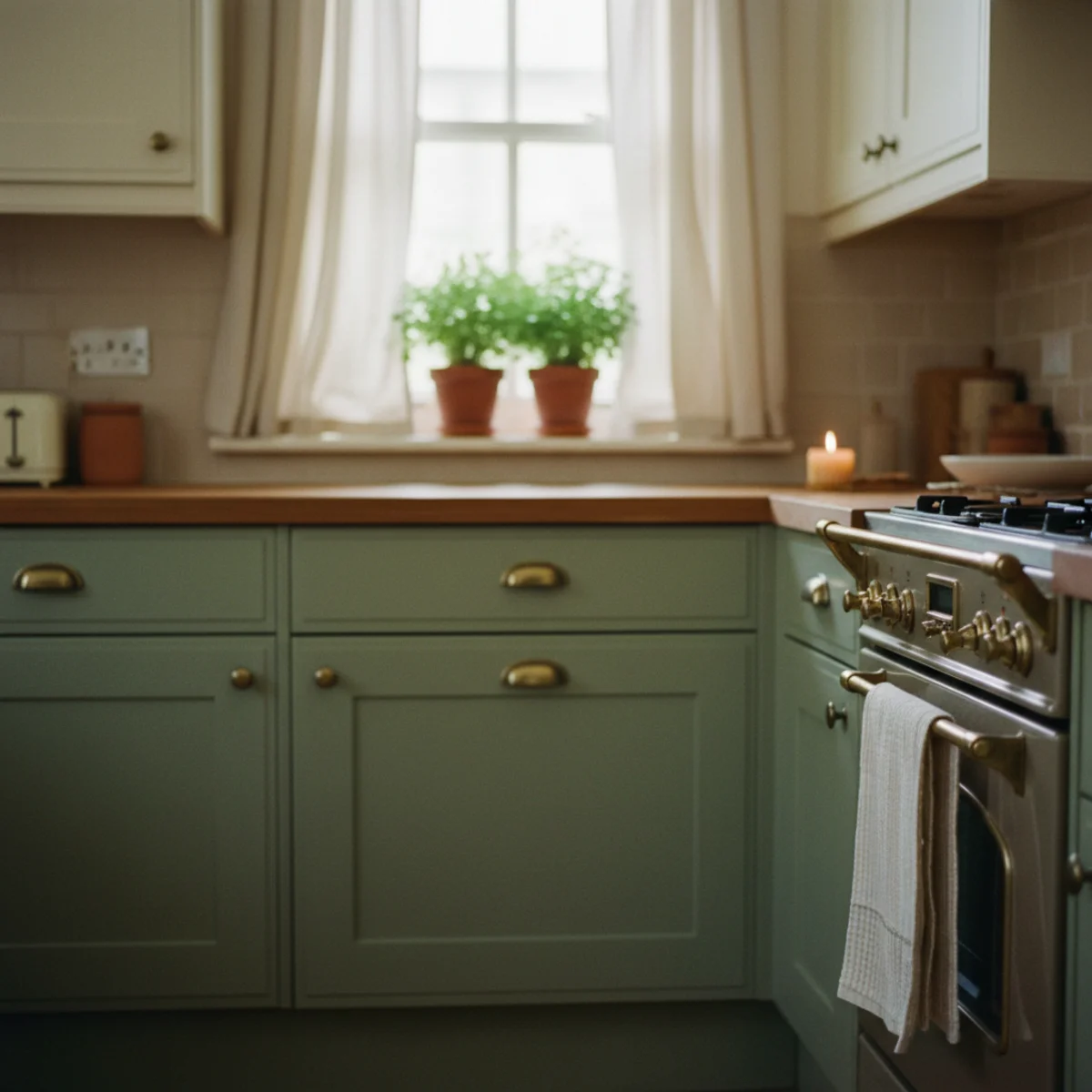
Potted bulb and herb setup: INDOOR FORCED BULBS — purchase pre-chilled paperwhite narcissus, hyacinth, or muscari bulbs in late January or February ($5-15 for 3-5 bulbs). Pot in shallow wide terracotta bowl with gravel or small stones for support. Keep in cool bright location. Blooms in 2-4 weeks. Hyacinth fragrance fills the room. OUTDOOR-POTTED BULBS MOVED INSIDE — terracotta pots of tulips, narcissus, or hyacinth left outdoors over winter can be brought inside once budded. The warmth accelerates blooming. HERB SEEDLINGS — start basil, parsley, cilantro, or chives from seed in small terracotta pots on the kitchen windowsill in late February or March ($2-5 per seed packet, $3-8 per terracotta pot). The seedlings' growth signals spring; the herbs serve the kitchen. ROSEMARY POTTED — a small rosemary plant in terracotta on the kitchen windowsill is a year-round herb plant that reads especially spring-like in March-April when rosemary flowers. PLACEMENT — kitchen windowsill for herbs (functional and decorative), dining table for bulbs while blooming (the fragrance of hyacinth or narcissus at the dining table is one of the most-specific spring sensory experiences), living room shelf for muscari or snowdrops in small ceramic vessels.
AFFILIATE SLOTBOTANICALPre-chilled narcissus, hyacinth, or muscari in terracotta ($5-15 for 3-5 bulbs) OR herb seedlings on kitchen windowsill ($5-13 starter kit)Add affiliate URL when configuredWhy it works
Because growing things — things with visible life energy, actively blooming or sprouting — signal spring in a way that purely decorative objects cannot. A hyacinth blooming in a terracotta pot on the dining table carries the actual season's energy: the fragrance, the visible bud-to-bloom progression, the daily growth. A purchased 'spring' decorative object carries only the reference to spring. The difference is between the thing and its representation. Growing things in the home are the thing.
Pro tip — Buy pre-chilled hyacinth bulbs specifically for the indoor forcing fragrance — regular hyacinth bulbs require weeks of chilling before they'll force bloom indoors, but pre-chilled bulbs (sold as 'prepared for indoor forcing') bloom in 2-3 weeks from purchase. The fragrance of one hyacinth bloom fills a typical room and is unmistakably spring.
Hyacinth in terracotta bowl and basil seedling on windowsill — spring's actual growing energy indoors. See also: indoor-plant-corner
06Roll Up the Heavy Rug
Rolling up the heavy winter area rug (wool, thick shag, dense pile) and replacing it with a flat-weave or jute rug — or leaving the warm wood floor exposed — immediately lightens the room's weight and lets the floor's natural warmth carry the space. The heavy rug removal is the floor equivalent of the textile swap.
Spring rug transition: REMOVE — thick wool pile rugs (especially high-pile or shag), heavy winter area rugs in deep tones. Roll tightly, wrap in brown paper or old sheet, store in a dry place (not on concrete floor which can cause moisture damage from below). REPLACE WITH — flat-weave rug (cotton or wool, low profile) at $80-300 for 5x8, or jute or sisal natural fiber rug at $80-250, or no rug at all on warm wood floors. OR a lighter-weight vintage kilim (lower pile than winter rugs) that was stored through winter. WOOD FLOOR BARE — warm wood floors look particularly beautiful from March through September when natural daylight illuminates the grain. If the rug's primary purpose was warmth (cold floors in winter), removing it for spring is justified functionally and aesthetically. NATURAL FIBER RUGS — jute and sisal read as naturally spring-like (organic materials, warm tan tones, low profile). Inexpensive: $80-200 for 5x8 from IKEA, HomeGoods, or Wayfair. BENEFIT — the floor plane opens visually when the heavy rug is removed. The room reads as more spacious and the light reaching the floor (versus being absorbed by a thick pile rug) brightens the lower portion of the room significantly.
AFFILIATE SLOTFLOORRemove heavy wool pile rug; replace with flat-weave cotton/wool ($80-300) or jute ($80-250) or expose warm wood floor for spring and summerAdd affiliate URL when configuredWhy it works
Because thick pile rugs absorb both visual weight and actual light — they occupy significant visual mass in the lower third of the room (where the floor is seen) and their pile absorbs light rather than reflecting it. Removing a 5x8 foot wool pile rug reveals the warm wood floor beneath, which reflects golden light upward rather than absorbing it. The visual effect is a brighter, airier room without any other change. The same room with and without the heavy rug reads as different seasons.
Pro tip — Clean the area rug before storing for spring — vacuum both sides, spot-treat any winter stains, and allow to dry fully before rolling and storing. Rolling a damp or stained rug for 6 months produces mold, set stains, and damaged fibers. The pre-storage clean adds 1-2 hours but saves the rug across the storage period.
Warm wood floor revealed after rolling the heavy rug — reflected golden light brightening the room from below. See also: cozy-living-room-ideas
07Switch to a Lighter Bedding Layer
The bedroom's spring transition: remove the heavy down comforter or thick wool blanket used as the primary winter layer and replace with a lighter-weight linen or cotton quilt, lightweight duvet, or cotton coverlet. The cooler lighter bedding shifts the bedroom from winter nest to spring air immediately. Cost: $0 if you have spring bedding stored, or $80-200 to purchase.
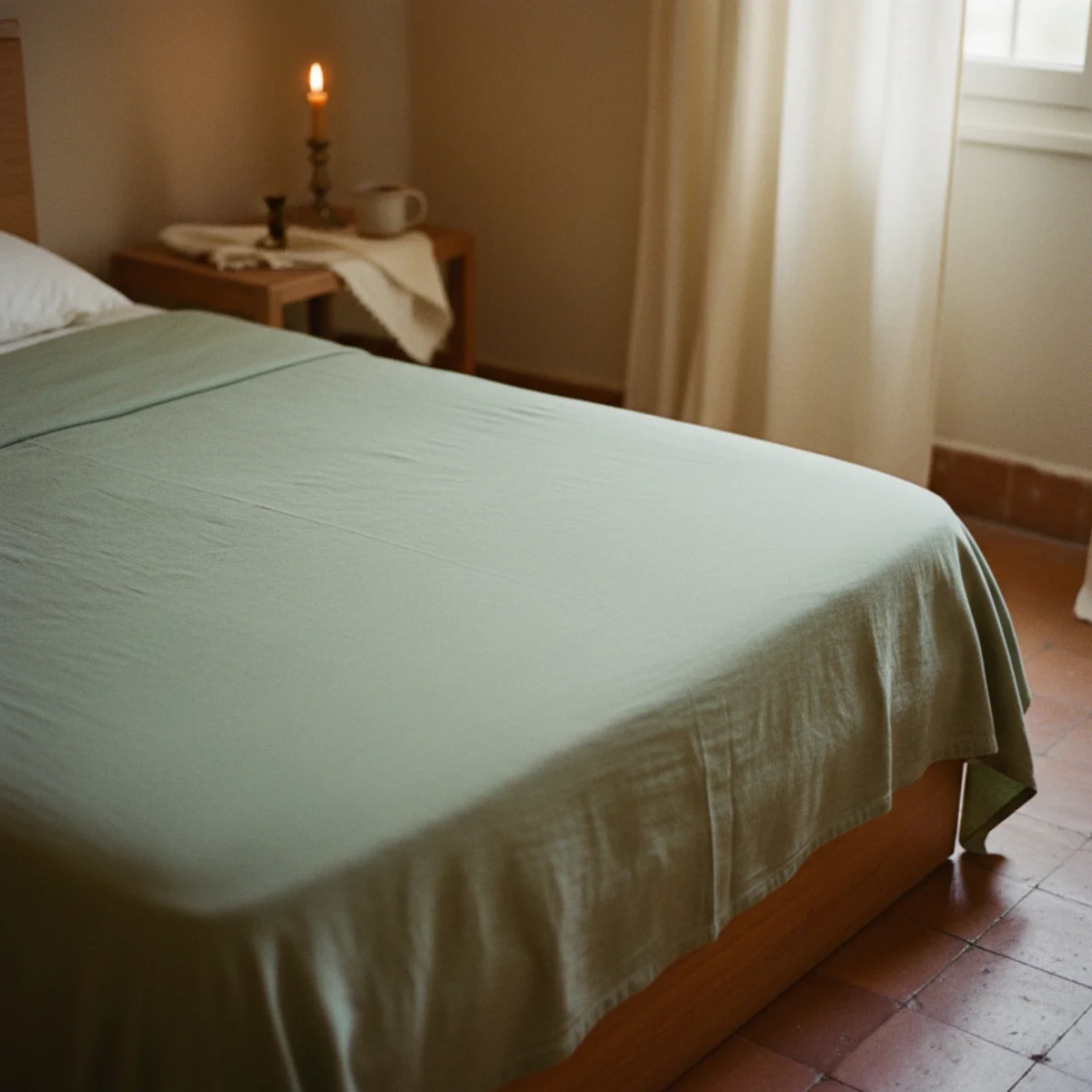
Spring bedding swap specifics: REMOVE — heavy down comforter (700+ fill power winter duvet), thick wool blanket used as primary layer. Store in breathable cotton bag with cedar sachets in a dry location. ADD — LIGHTWEIGHT LINEN DUVET: washed linen duvet cover over light-fill insert at $80-200 from Quince, Magic Linen, or Brooklinen. COTTON COVERLET: lightweight cotton quilt at $80-200 from Target, Pottery Barn, or Garnet Hill. LIGHT COTTON WAFFLE BLANKET: single cotton waffle blanket ($40-80) as the primary spring layer for warm climates. KEEP — the linen fitted and flat sheets year-round (linen is temperature-regulating and appropriate in both winter and spring). TIMING — switch when overnight temperatures consistently stay above 50°F/10°C, typically April-May in most temperate climates. The switch can happen earlier (March) if supplemented with a lightweight wool throw folded at the foot for cool nights. SPRING BEDROOM PALETTE — lighter cream or soft sage duvet cover rather than winter's deeper terracotta or rust. Small change within the warm palette family that the room registers as seasonal.
AFFILIATE SLOTBEDROOMReplace heavy winter duvet/wool blanket with lightweight linen or cotton coverlet/quilt at $80-200; keep linen sheets year-roundAdd affiliate URL when configuredWhy it works
Because the bed is the bedroom's primary visual element — it occupies 40-60% of floor space and draws the eye first upon entering. The heavy winter duvet's thick profile and dense visual weight read as sheltering and enclosed; the lightweight spring coverlet's flatter profile and lighter tone reads as open and airy. The same bedroom with winter bedding reads as winter bedroom; with spring-weight bedding it reads as spring bedroom regardless of any other decor decision.
Pro tip — Wash all winter bedding before storing for spring — down comforters and wool blankets should be laundered or dry-cleaned before long-term storage. Clean winter bedding stored for 6 months returns to use in autumn smelling fresh and free of dust mites; unwashed stored bedding returns with accumulated odor and potential allergen concentration.
Lightweight cotton coverlet in soft sage — the spring bedding switch that shifts the whole bedroom's seasonal reading. See also: best-linen-bedding
08Add Fresh Cut Flowers
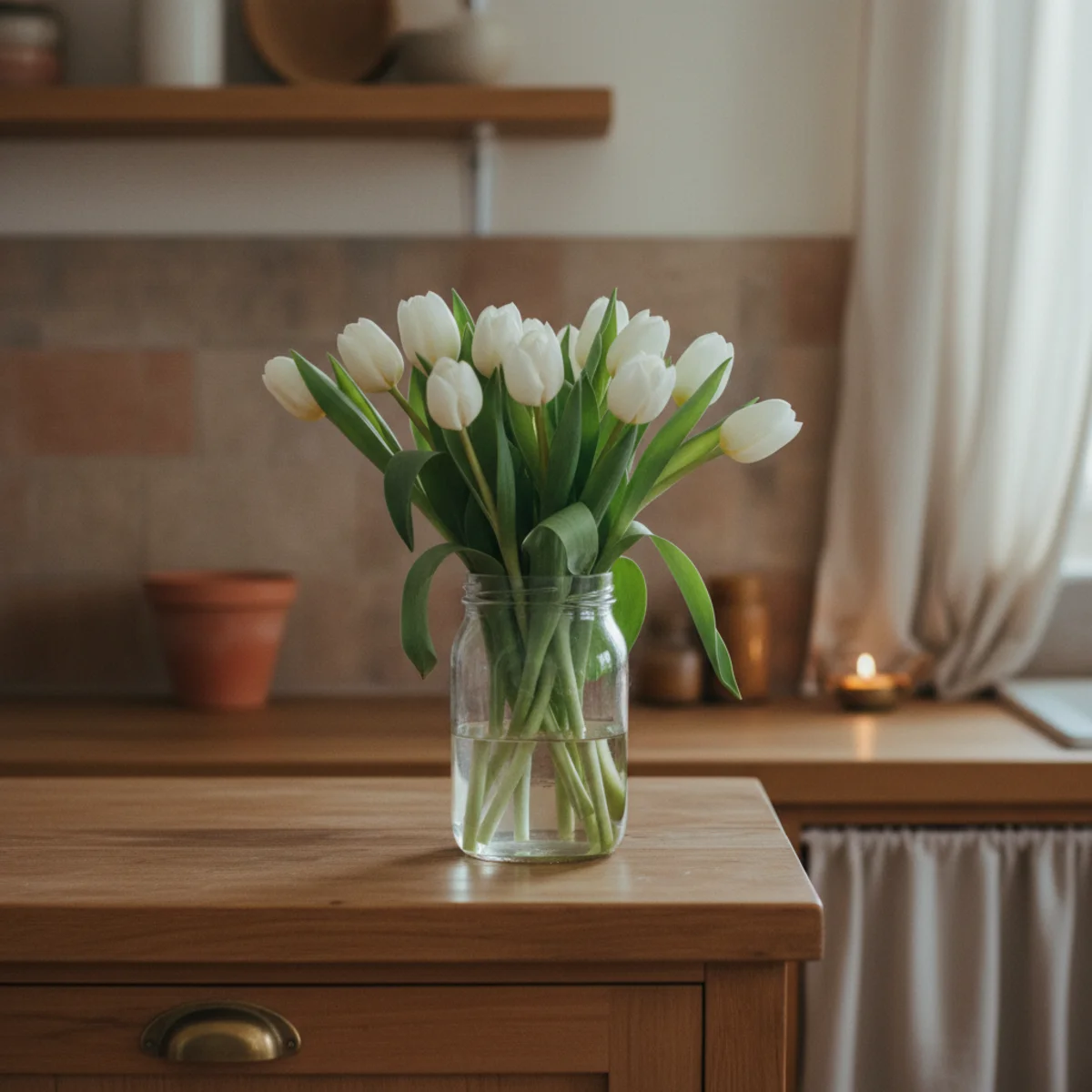
Fresh-cut flowers from the garden, farmers market, or grocery florist signal spring across every room they appear in. April through June is the first peak of cut flower production — tulips, ranunculus, peonies, sweet peas, lilacs, alliums, and garden roses. A $10 bunch of tulips at the farmers market or grocery florist, arranged simply in a glass jar, outperforms any commercial spring decoration.
Spring flower sourcing and arrangement: FARMERS MARKET — the best source for peak-spring flowers at the best prices. Tulips at $5-10 per bunch (10-15 stems), ranunculus at $8-15 per bunch, sweet peas at $6-12 per bunch (fragrant), alliums at $8-15 per bunch (architectural purple spheres). GROCERY FLORIST — good budget option, typically $5-12 per bunch. GARDEN — if you planted spring bulbs the previous autumn, your own tulips, narcissus, and alliums are free and arrive at their natural spring moment. ARRANGEMENT — simple is best. Tight bunch in a wide-mouth vase, loosely arranged single stems in 3-4 small vases distributed across rooms, or single-stem in narrow bud vases on windowsills. DISTRIBUTION — resist concentrating all flowers in one arrangement; instead, a small bunch in the living room, two stems on the kitchen windowsill, a single stem in a bud vase on the bedroom nightstand. The distributed approach signals spring-as-household-reality rather than spring-as-special-occasion-display. REFRESHING — change water and trim stems every 2-3 days to extend vase life. Most spring flowers last 5-10 days.
AFFILIATE SLOTFLORALSFarmers market or grocery: tulips $5-10, ranunculus $8-15, sweet peas $6-12; simple glass jar or bud vases distributed across roomsAdd affiliate URL when configuredWhy it works
Because fresh flowers are the most-direct expression of spring's actual produce — the thing spring grows that winter cannot. Unlike forced branches (which spring from the yard's potential) or potted herbs (which grow on the windowsill), a bunch of fresh-cut ranunculus from the farmers market is spring's commercial product arriving in your home at the moment of the season's generosity. The fragrance, the specific flower forms only available in spring (peonies in May, sweet peas in April), the natural abundance of $10 buying 15 stems — these are spring-specific pleasures that the other months don't offer.
Pro tip — Buy one variety per bunch and arrange single-variety arrangements rather than mixed bouquets — ten white tulips in a simple glass jar reads more beautiful than ten different spring flowers mixed in the same jar. Single-variety arrangements are easier to arrange, last more consistently (all stems have the same water-change timing), and read more intentional.
White tulips in glass jar on spring-lit windowsill — the direct expression of spring's actual produce. See also: fall-decor-ideas
09Clear and Lighten Surfaces
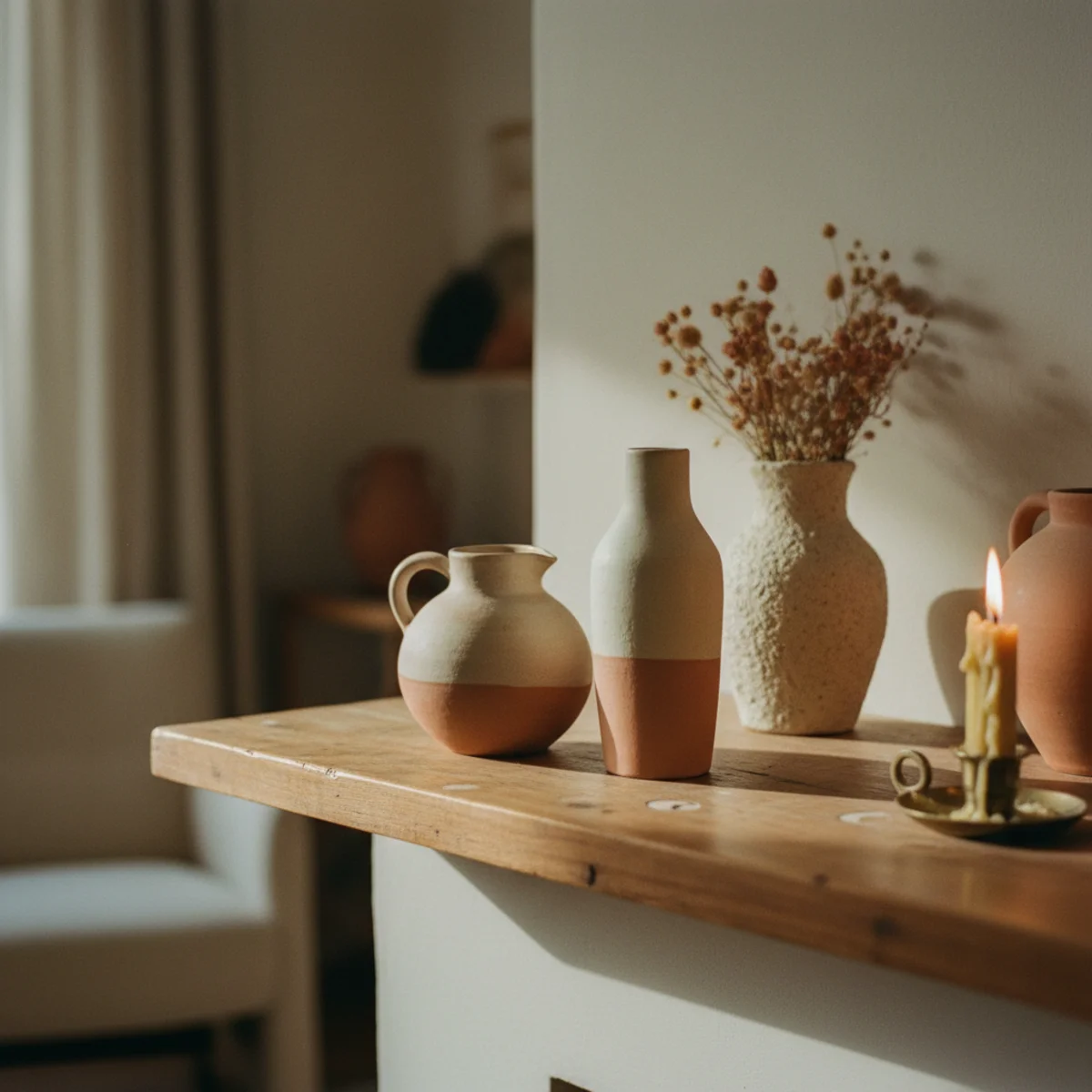
Spring surface editing: remove 30 to 40% of winter's accumulated surface objects from shelves, mantels, console tables, and coffee tables. Winter surfaces tend toward layered dense arrangement — more candles, more seasonal objects, more warmth-signaling accumulation. Spring surfaces benefit from clearing — fewer objects with more space between them, fewer seasonal items, more actual surface visible. Cost: $0.
Spring surface clearing strategy: MANTEL — remove or reduce the winter candle cluster (keep 2-3 tapers maximum rather than the full 5-7 winter cluster), remove dried winter botanical arrangements (replace with one simple fresh branch vase), store any seasonal winter-specific objects (pinecones, winter berries, dried orange slices). SHELVES — remove 30-40% of winter shelf objects, particularly darker or heavier decorative pieces. Keep the pieces that read year-round (warm wood, aged brass, hand-thrown ceramics in neutral tones). COFFEE TABLE AND SIDE TABLES — remove any winter-specific candles, seasonal objects, heavy books. Keep the functional (single candle, one small plant, one small book). STORAGE — temporarily store removed items in labeled bins. Most will return in autumn when the cycle reverses. THE VISUAL EFFECT — cleared spring surfaces read as intentionally light and spacious; winter-dense surfaces read as cozy and enclosed. Both are appropriate seasonal expressions. The spring shift toward cleared is what makes the home feel lighter. SEASONAL CLEANING — use the spring surface clear as an opportunity to clean the surfaces themselves — dust, wipe down, clean any accumulated grime. The clean surface under fewer objects reads significantly more spring-fresh than winter objects on dusty surfaces.
AFFILIATE SLOTEDITRemove 30-40% of winter surface objects from mantels, shelves, coffee tables; clean surfaces after clearing; store seasonal items in labeled binsAdd affiliate URL when configuredWhy it works
Because winter surfaces deliberately accumulate objects that create warmth and visual density — the very qualities that make winter cozy are the ones that make a room feel heavy when winter ends and spring brightens. Clearing 30-40% of objects from surfaces allows the room's foundational elements (furniture, walls, natural light) to read clearly rather than through accumulated winter layering. The subtraction is what creates the spring feeling.
Pro tip — Take a photo of each room's surfaces before clearing and after — the comparison reveals how much the clearing accomplishes purely through reduction. Most households find that the cleared surfaces look as good or better than the winter-dense versions, which builds confidence for maintaining the lighter spring arrangement rather than immediately re-filling.
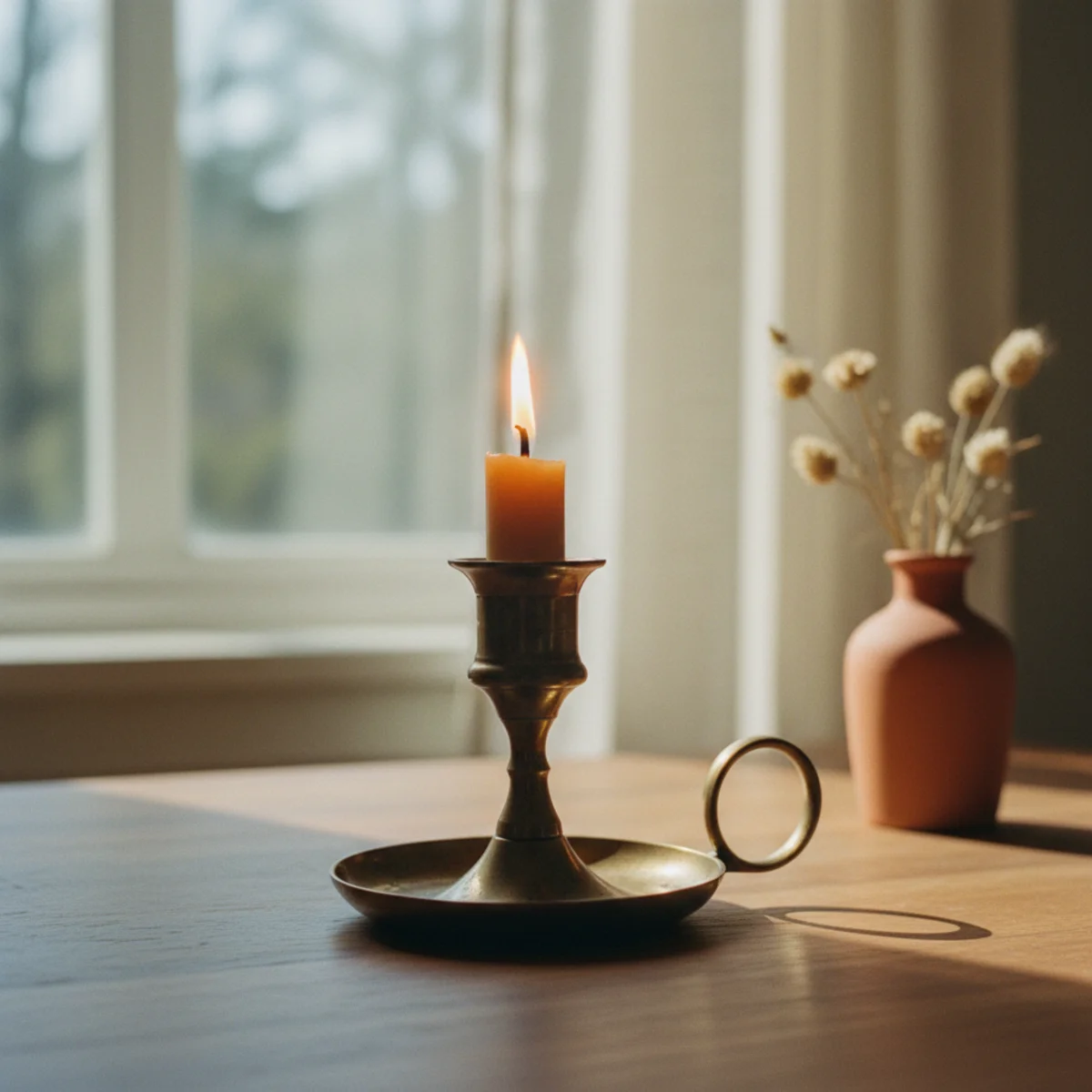
Two tapers and a fresh branch vase after clearing — spring surfaces reading light and intentional. See also: fireplace-mantel-decor
10Refresh With a Citrus Bowl
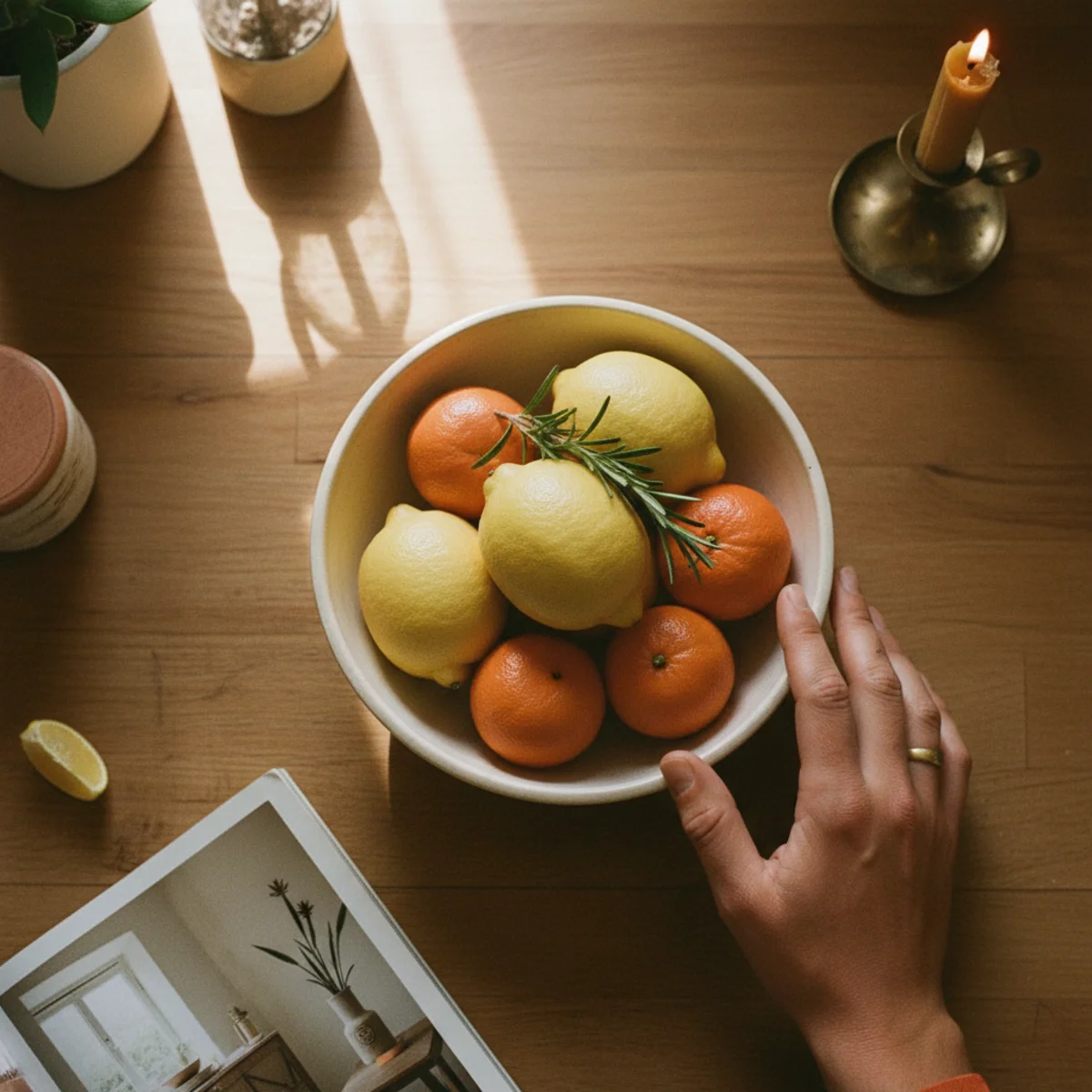
A bowl of seasonal citrus — Meyer lemons in late winter, blood oranges in February-March, regular lemons with fresh herbs in April, mixed citrus with herbs in late spring — on the kitchen counter or dining table is one of the most-impactful low-cost spring refreshes. Cost: $5-12 per refresh, weekly.
Citrus bowl specifics: VESSEL — a simple ceramic bowl, wooden bowl, or shallow basket in warm tone. 8 to 14 inches diameter. SEASONAL CITRUS SEQUENCE — February-March: blood oranges (dark red-orange color, limited season) at $4-8 per bag. March-April: Meyer lemons (softer yellow, fragrant, late season) at $4-8 per bag. April-May: regular lemons + small limes + orange ($5-10 total). May onward: regular lemons + fresh herbs added (sprigs of rosemary, thyme, mint tucked alongside the citrus). SUPPLEMENTARY ELEMENTS — tuck 2-3 fresh herb sprigs alongside the citrus in the bowl. A sprig of flowering rosemary or a few mint stems adds fragrance and green contrast to the yellow citrus. Small pinecones or smooth stones from a walk can fill around the citrus (adds visual texture at zero cost). PLACEMENT — kitchen counter is primary (functional and visible during daily food preparation), dining table as secondary centerpiece between gatherings. REFRESHING — replace when citrus begins to wrinkle (typically 7-12 days at room temperature). The refresh is the reminder that spring is actively in progress. THE SIGNAL — a citrus bowl refreshed weekly signals that the household cooks, buys fresh produce, and maintains the home's daily life. The same $10 worth of lemons that reads as grocery purchase in a plastic bag reads as warm-home spring moment in a ceramic bowl.
AFFILIATE SLOTFRESH8-14 inch ceramic or wooden bowl with 6-8 seasonal citrus (blood oranges Feb-March, Meyer lemons March-April, lemons + herbs April+); $5-12 weekly refreshAdd affiliate URL when configuredWhy it works
Because citrus color — particularly the specific yellow-orange of lemons and oranges — maps to spring's color temperature precisely. Spring is the season when warm-golden light returns, and the citrus bowl's warm-golden color mirrors and reinforces this quality in the kitchen and dining space. The bowl also provides fragrance (especially Meyer lemons at close range), functional ingredient availability (visual reminder that fresh citrus is always to hand), and the slight rotation of fresh produce that signals active household life.
Pro tip — Arrange the citrus in an off-center cluster within the bowl rather than centered and symmetrically — a casual-cluster arrangement reads as naturally placed where centered symmetry reads as deliberately decorated. The slight randomness of the off-center cluster matches warm-collected aesthetic.
Blood oranges and Meyer lemons with rosemary in ceramic bowl — spring's warm-golden colors in the kitchen. See also: cozy-kitchen-ideas
11Add a Touch of Green Paint or Textile
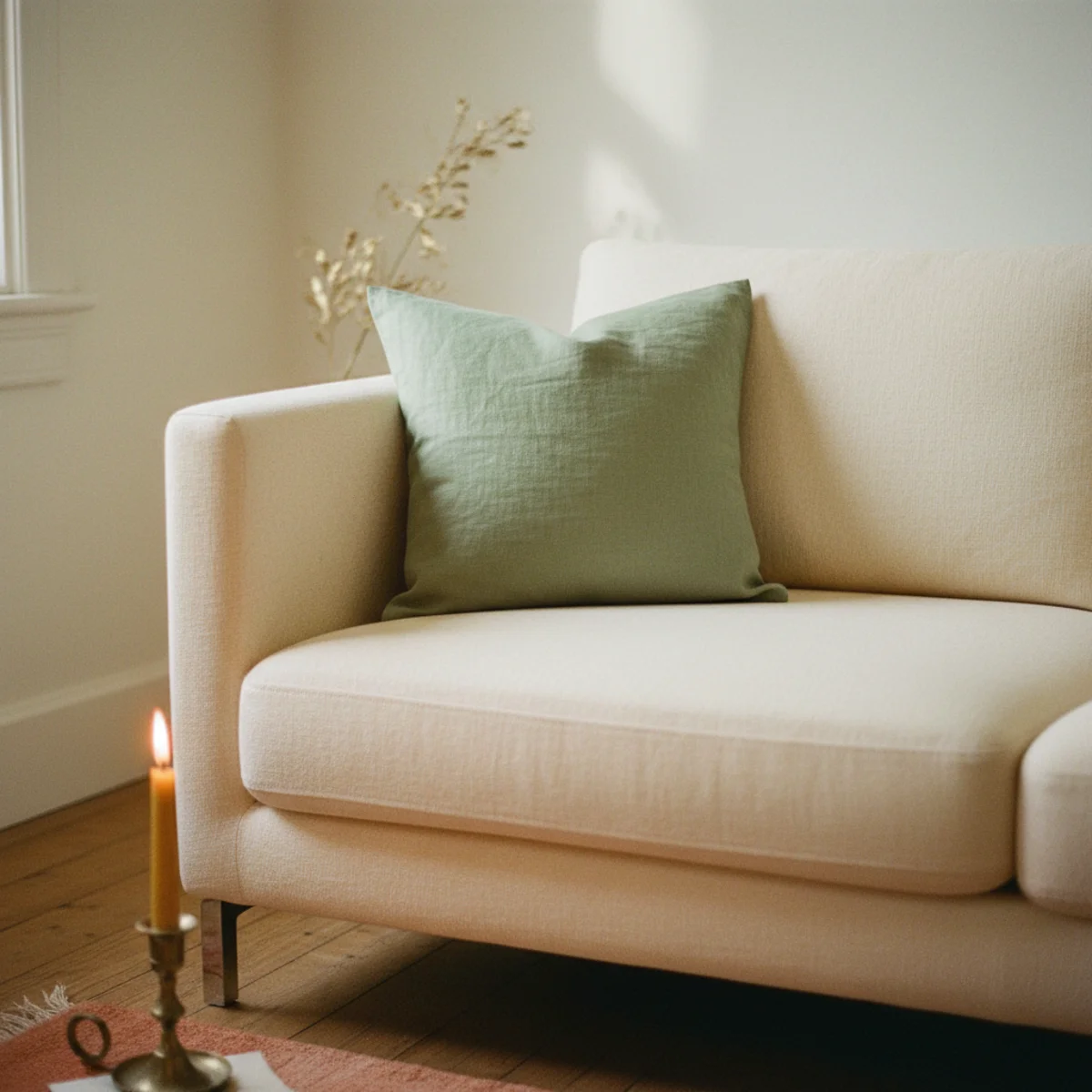
One targeted addition of sage or soft green — a single sage green cushion cover, a painted flower pot in muted green, a small green vase acquired from a thrift store — introduces spring's green-growth palette signal without requiring a room-wide color change. The single green element reads as seasonal accent within the cream-and-warm-wood foundation.
Spring green addition options: CUSHION COVER — one sage linen cushion cover ($20-40 from Quince, Etsy artisans, or H&M HOME) replacing one neutral cushion on the sofa. The sage green reads immediately as spring against winter's cream and terracotta. SMALL PAINTED POT — paint one terracotta pot in muted sage chalk paint ($15-20 for paint, $3-8 for pot) and plant herbs or a small fern in it. The sage pot catches spring light differently from terracotta. SMALL GREEN VASE — a small vintage green glaze vase from a thrift store or estate sale at $3-15 with one or two fresh stems from the yard. PAINTED DRESSER OR SMALL FURNITURE — if a bedroom piece needs refreshing, early spring is an excellent time for a chalk-paint furniture project. One sage-painted nightstand (per diy-farmhouse-wall-art project principles) signals spring particularly effectively in a bedroom. GREEN TABLE LINENS — a sage linen table runner ($30-60 from Quince or Etsy) on the dining table for the spring and summer months. KEEP THE GREEN MUTED — avoid saturated or bright greens (chartreuse, lime green, kelly green). Spring greens are muted sage, eucalyptus, soft olive, lichen-toned — the colors of emerging growth before full saturation.
AFFILIATE SLOTCOLOUROne muted sage green element: cushion cover ($20-40), painted terracotta pot, small thrifted green vase, or sage table runner ($30-60)Add affiliate URL when configuredWhy it works
Because spring green in small doses is a seasonal accent that registers as 'this is the time when things are growing' — the green is noteworthy precisely because it's singular against the winter neutral palette. Multiple green elements diffuse this signal by making green feel like a design choice rather than a seasonal one. One sage cushion against cream says 'spring'; four sage cushions says 'sage sofa.' The single-element spring green approach uses seasonal scarcity to create more impact than multiple additions would.
Pro tip — Buy a sage green cushion cover now and plan to swap it to deeper terracotta for autumn — the two cushion covers give you seasonal flexibility at the cost of one extra cushion cover ($20-40). The seasonal swap becomes a semi-annual ritual that keeps the room feeling responsive to seasons with almost no effort.
One sage cushion among cream — the singular spring green that signals growth without making a design statement. See also: sage-green-decor
12Let In Scent and Air
Spring's most-distinctive decor element is one that cannot be styled, only allowed — the scent of outdoor air (cut grass, fresh earth, rain, blooming trees) flowing through open windows into the indoor space. No candle, diffuser, or spray replicates this. The only decor move required: open the windows when the air smells like spring.
Scent and air spring practice: FRESH AIR WINDOWS — open windows for at least 2-4 hours on any day when outdoor temperature exceeds 55°F and the air smells good. The olfactory signal of outdoor spring air is one of the most-powerful environmental wellbeing triggers that exists. REDUCE ARTIFICIAL FRAGRANCE — transition away from heavy warming winter candle scents (beeswax with amber notes, cinnamon-adjacent scents, smoky or dark fragrances) toward lighter spring-adjacent scents: fresh linen, light citrus, green botanical, light floral. SWAP CANDLE SCENTS — rotate from P.F. Candle Co.'s Amber & Moss (winter) to their Teakwood & Tobacco or Gardenia (spring) for example. Lighter scent profiles at same candle quality. FRESH HERB FRAGRANCE — a sprig of fresh rosemary or lavender in a small vase near the main seating area provides gentle natural botanical scent. HYACINTH AND NARCISSUS — the indoor forced bulbs (per item 5) provide genuine spring fragrance that no artificial scent matches. The hyacinth fragrance in the dining room is specifically spring in a way nothing else is. THE COMPLETE SPRING SENSORY MOMENT — open windows + fresh branch vase + blooming hyacinth + lighter linen textiles + spring light + reduced winter candle burning = spring has arrived in the home without a single decorative purchase. All of these moves together create the seasonal shift that the home's occupants feel, not just see.
AFFILIATE SLOTSENSORYOpen windows when outdoor air smells like spring; transition to lighter candle scents; fresh herb sprig near seating; allow hyacinth fragrance from forced bulbsAdd affiliate URL when configuredWhy it works
Because olfactory memory and sensory experience of a season are more immediate and involuntary than visual cues — the smell of fresh outdoor air through an open window triggers spring recognition faster and more completely than any visual decor change. The home that smells like spring is experienced as spring by everyone in it regardless of the decor; the home that looks like spring but smells like winter candles and closed air still reads seasonally as winter at the most direct sensory level.
Pro tip — Create a spring opening day as a household ritual — one afternoon in early spring when every window in the house opens at the same time, the winter candles come out and light spring candles go in, the citrus bowl goes out and the first spring branch vase is set up. The ritual makes the transition deliberate and celebratory rather than gradual and unnoticed.
Open window, fresh branches, blooming hyacinth — spring's sensory arrival that no decor purchase can produce. See also: hygge-living-room


How to refresh a room for spring step by step
Lighten and subtract more than you add. Work in this order.
- 1Lighten the textiles
Swap heavy wool throws and winter bedding for washed linen, and trade heavy drapes for sheer panels or none. Store the winter pieces clean.
- 2Let the light and air in
Open the curtains and windows, and lift or swap the heavy winter rug for a lighter floor.
- 3Bring in fresh green
Add budding branches in a pitcher, potted bulbs, or fresh cut flowers — spring's living signal.
- 4Lighten the palette and clear surfaces
Swap a few deep cushions for fresher tones, pare back the winter clutter, and let surfaces breathe.
Quick tips
- Store winter wool clean in breathable bags, not plastic, to avoid must and moths.
- Force budding branches — forsythia, cherry, magnolia — for the most elegant spring touch.
- Swap heavy drapes for sheer linen to flood the room with the longer daylight.
- Stay in warm neutrals and just choose the lighter end of the range — skip the pastels.
- Potted bulbs last longer than cut flowers and read fresher.
- Open the windows; fresh air is spring's best and cheapest scent.
Spring decor by room
Linen swapped for wool, sheer curtains, a lighter rug, and budding branches in a pitcher.
A linen coverlet instead of the winter duvet, a folded throw at the foot, and potted bulbs on the dresser.
A bowl of citrus, a windowsill herb pot, and fresh cut flowers on the table.
A lighter runner, sheer light, and a vase of fresh branches to greet the season at the door.
Spring decorating is mostly lifting the heavy layers of winter and letting the light back in. The room exhales.
Frequently asked questions
How do I transition my home from winter to spring?+
What are the best spring decor ideas?+
Should I buy spring decor or make seasonal changes?+
When should I start spring decorating?+
What are good spring flower arrangements for the home?+
How do I make my home feel more airy for spring?+
Spring decorating is mostly subtraction — lifting the heavy layers winter piled on and letting the light and air back in. Swap wool for linen, draw back the heavy curtains, cut a few budding branches, and lighten the palette without reaching for pastels. We'd do the whole refresh in twenty minutes with things we already own; no shopping, no bunnies, just a room that exhales after the long cozy density of winter. Lighten, don't redecorate, and the season does the rest.